
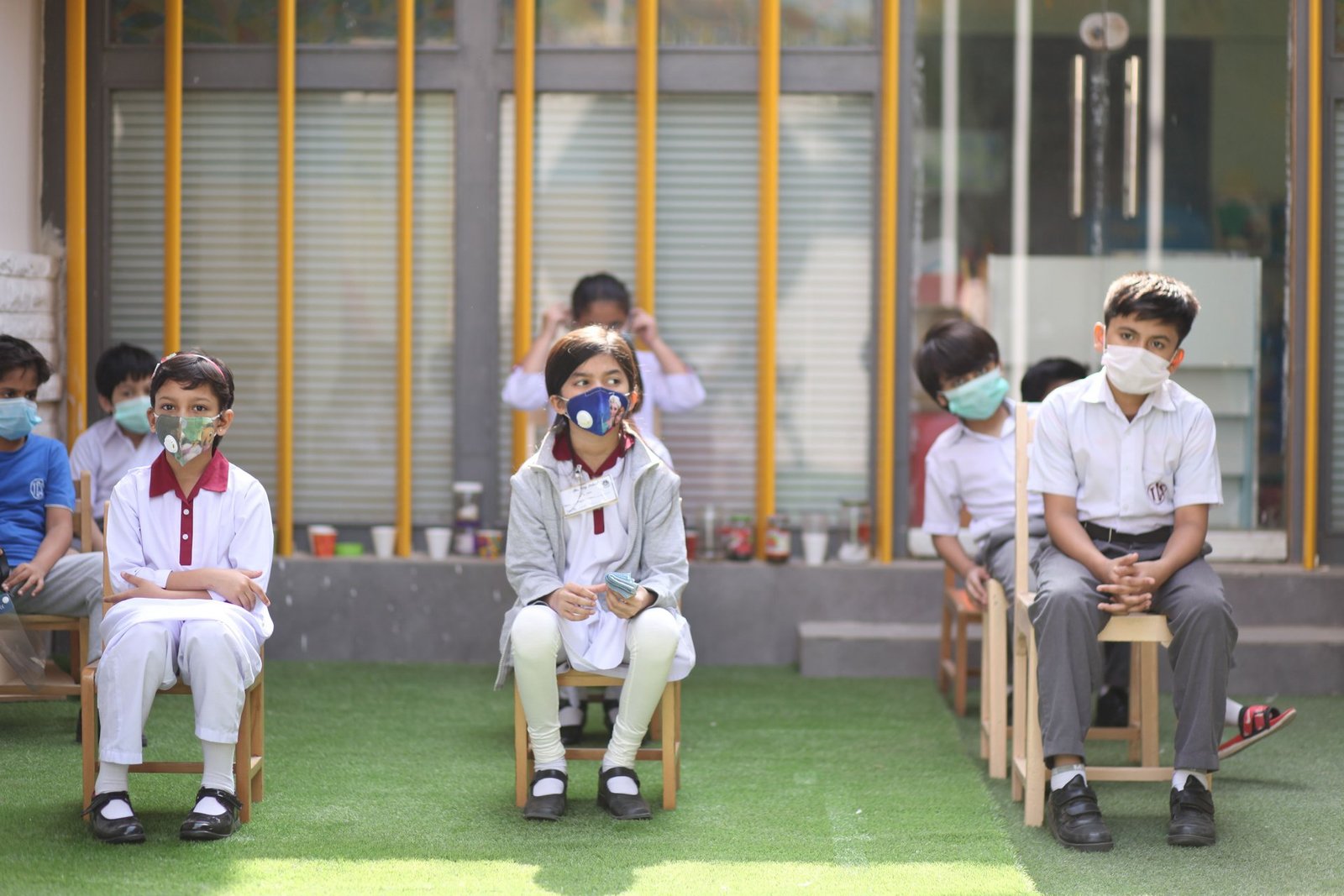
In an effort to enhance the safety and security of students, the Gujarat government has issued a new circular establishing stringent rules regarding external individuals accessing school premises. This initiative comes as part of a broader strategy to protect children from potential risks, including those associated with child sexual abuse.
The circular mandates that any external person seeking to enter school grounds must first obtain written authorization from the school principal. This requirement applies to a variety of activities, including recording videos, conducting interviews, or any form of engagement with students and teachers.
The move has sparked discussions among educators and parents alike, emphasizing the importance of safeguarding children in educational environments. By implementing these rules, authorities aim to create a controlled atmosphere where children can learn without the interference of unauthorized individuals.
Implications for Schools and Community Engagement
The implications of this circular extend beyond mere compliance; they challenge schools to establish clear protocols for managing visitors. Schools will need to develop systems for vetting requests from external parties, which may include journalists, researchers, or community members who wish to interact with students for various reasons.
In addition to protecting students, this new guideline could redefine how schools engage with the community and media. While it seeks to limit unauthorized access, it may also prompt a reevaluation of how schools can maintain transparency and openness with the public.
Moreover, this initiative aligns with ongoing discussions about child safety in educational settings, particularly in light of rising concerns about child exploitation. By formalizing these entry rules, Gujarat’s educational authorities are taking a proactive stance in the fight against child abuse and ensuring that schools remain safe havens for learning.
Next Steps for Implementation and Compliance
The implementation of these guidelines will require cooperation from various stakeholders, including school administrators, teachers, and parents. Schools will need to communicate these new policies effectively to ensure that all parties understand the importance of securing prior authorization. Training sessions may be necessary to prepare staff for managing visitor requests and handling any related inquiries.
Furthermore, ongoing monitoring and evaluation of these policies will be crucial. Authorities may consider feedback from schools to assess the effectiveness of the guidelines and make adjustments as necessary. This dynamic approach will help ensure that the measures remain relevant and effective in safeguarding students.
In conclusion, the introduction of these new rules in Gujarat schools marks a significant step towards enhancing child protection. By requiring written authorization for external visitors, the state aims to create a safer educational environment, reflecting a growing awareness of the need to prioritize student safety in all aspects of schooling.
Source: NDTV India