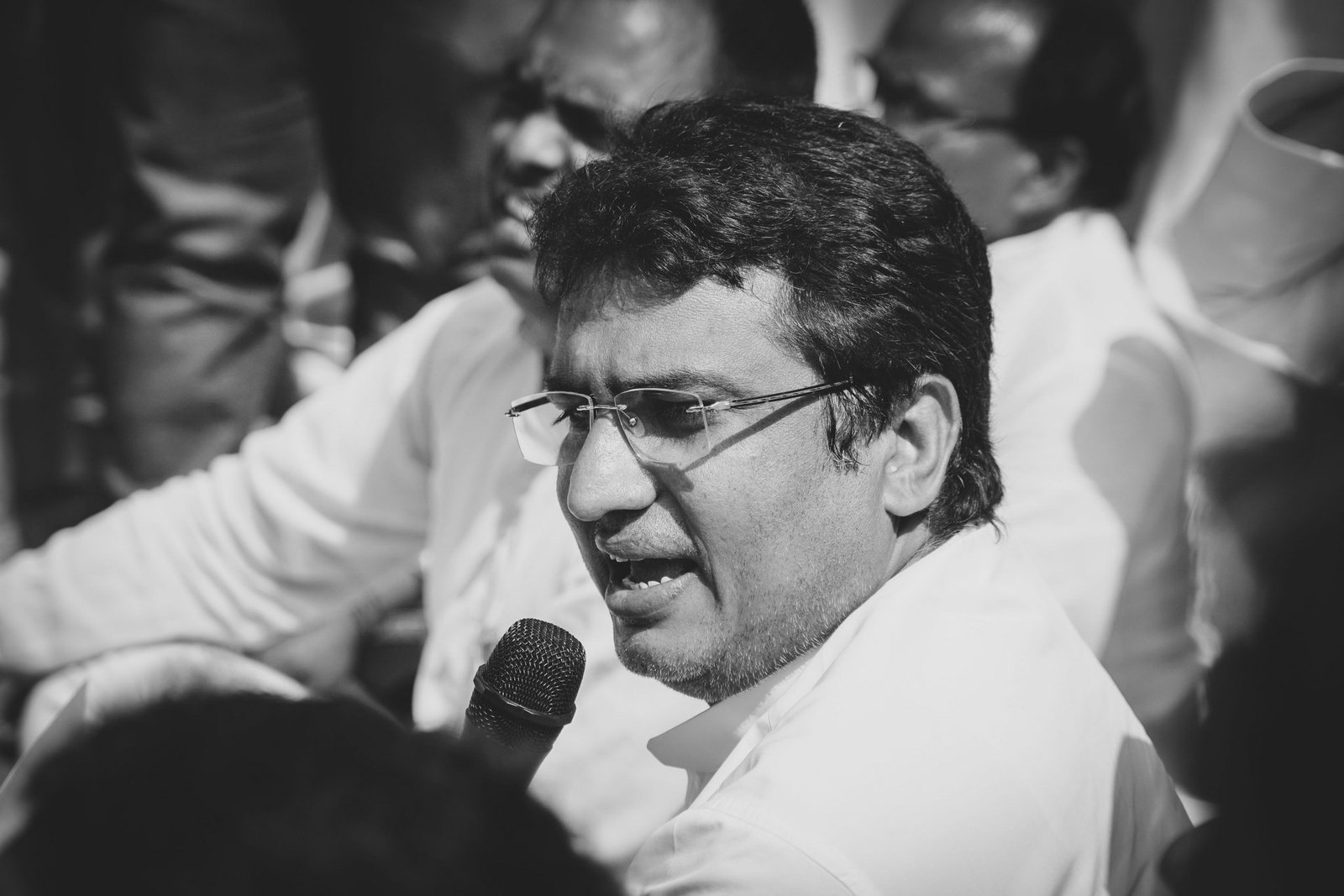
In the ever-evolving political landscape of Uttar Pradesh, Asaduddin Owaisi, the leader of the All India Majlis-e-Ittehadul Muslimeen (AIMIM), has voiced strong opinions regarding the upcoming electoral battle between Chief Minister Yogi Adityanath and opposition leader Akhilesh Yadav. Owaisi’s remarks come in response to the BJP’s prevalent “80-20” narrative that seeks to consolidate Hindu votes against minority communities, a strategy often articulated by Adityanath.
During a recent press interaction, Owaisi firmly rejected the notion that the BJP’s narrative would influence the electorate significantly. Instead, he asserted that the crux of the political contest in Uttar Pradesh would be framed as “99 vs 1,” suggesting that the majority of voters are disillusioned with the current government’s policies and governance.
Context of Owaisi’s Statement
Owaisi’s comments highlight a growing sentiment among various political factions in Uttar Pradesh that the BJP’s divisive strategies may not resonate as effectively as previously thought. The AIMIM leader emphasized that the real issues facing the populace—such as unemployment, education, and healthcare—are far more critical than the communal narratives that political parties often propagate.
He underscored that voters are becoming increasingly aware of the need for unity and are more inclined to support candidates who prioritize their welfare over divisive politics. Owaisi’s perspective suggests a shift in political dynamics, where the electorate is less swayed by established narratives and more focused on tangible issues affecting their daily lives.
Implications for Upcoming Elections
The upcoming elections in Uttar Pradesh are crucial not only for the state but also for national politics, as they are seen as a litmus test for the BJP’s dominance in the region. Owaisi’s stance poses a challenge to Adityanath’s administration, indicating that the opposition may be preparing to leverage public discontent against the ruling party.
As the elections draw closer, it is expected that Owaisi and other opposition leaders will continue to challenge the prevailing narratives and push for a more inclusive approach to governance. This could lead to a more competitive electoral environment, where the focus shifts to the actual governance record and the needs of the citizens, rather than the communal lines that have historically defined electoral politics in the state.
Next Steps for Political Parties
In light of Owaisi’s comments, political analysts are keenly observing how various parties will adapt their strategies. The BJP may need to reassess its approach to campaigning, given the potential for public fatigue over its divisive strategies. Meanwhile, opposition parties, including Akhilesh Yadav’s Samajwadi Party and Owaisi’s AIMIM, could capitalize on this sentiment by presenting alternative narratives focused on development and unity.
As the political scenario unfolds, the implications of Owaisi’s declaration will become clearer, especially in how it influences voter sentiment and party strategies leading up to the elections. The outcome of this electoral contest could reshape the political landscape of Uttar Pradesh for years to come.
Source: NDTV India