Pakistan is currently experiencing significant hardships due to disruptions in the liquefied natural gas (LNG) supply chain, primarily influenced by the closure of the Strait of Hormuz. This situation has sparked a call for the country to enhance its energy security by diversifying its energy sources, particularly by investing more in renewable energy and coal.
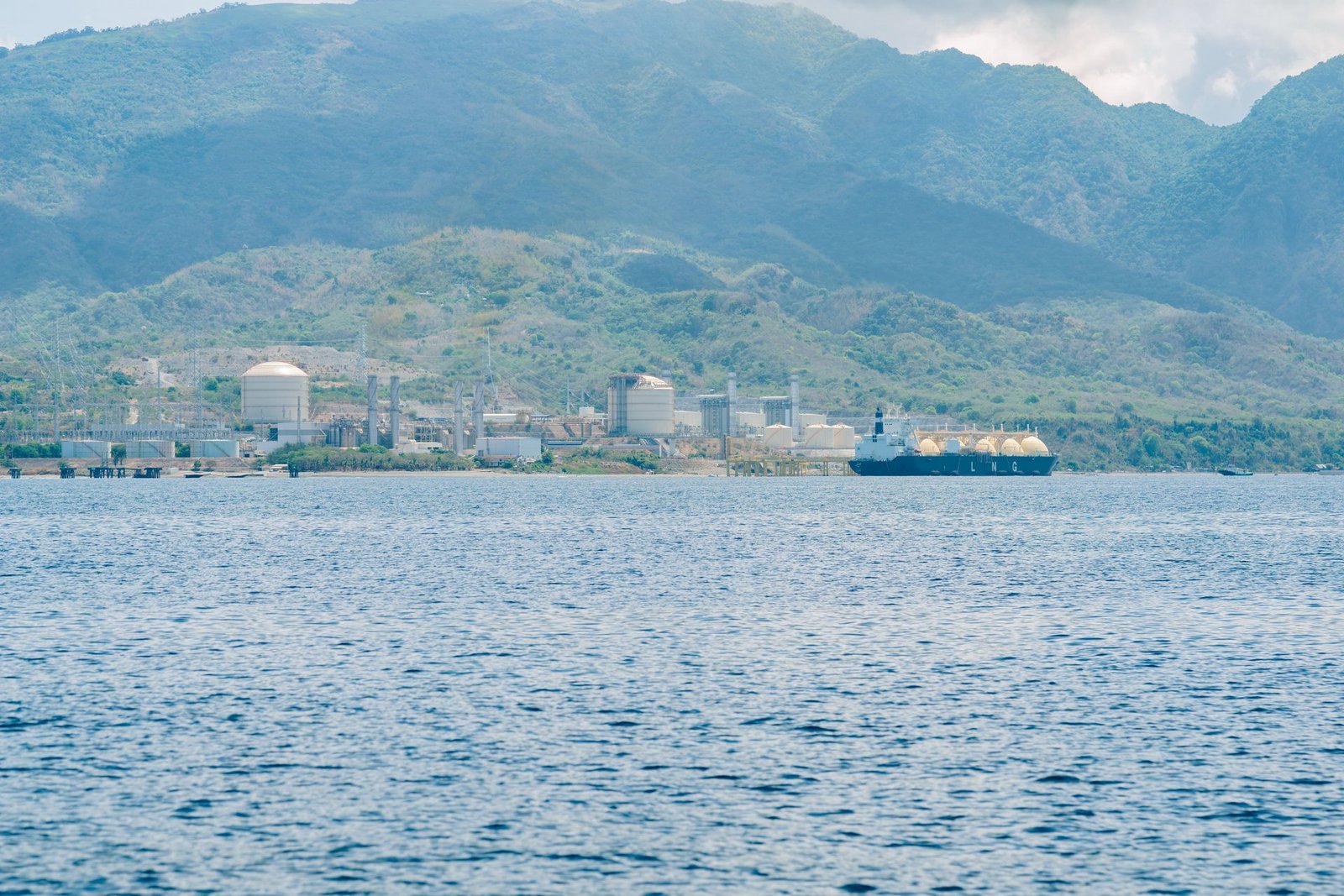
According to a report from Gastech Conferences titled ‘The Outlook for Gas and LNG Markets in Asia’, Qatar and the United Arab Emirates are crucial suppliers, providing approximately 99% of Pakistan’s LNG. This LNG is vital for various sectors, including power generation, fertilizer production, and industrial operations, accounting for around 30% of the nation’s total gas supply.
Strategic Energy Solutions for Pakistan
The Gastech report emphasizes the need for Asian policymakers to reassess their energy strategies to bolster domestic energy security. This includes accelerating the adoption of renewable energy sources, such as utility-scale solar farms, wind energy projects, and commercial rooftop solar installations, along with the implementation of energy storage solutions.
Furthermore, it suggests that investment in long-term infrastructure, such as gas storage facilities and enhancements to power generation capacity, is critical. Improving the flexibility of gas plants to adapt to changing demands is also a focus area for these policymakers.
International Collaborations and Future Planning
In light of these challenges, Pakistan’s Universal Gas Distribution Company (UGDC) has initiated discussions with various international firms regarding potential projects. These discussions revolve around gas storage, securing long-term LNG supplies, and exploring distribution opportunities in foreign markets, as stated by UGDC’s CEO, Ghiyas Abdullah Paracha.
The Gastech report further outlines that nations are considering expanding their operating reserves to enhance grid reliability during unforeseen circumstances. This includes reevaluating fuel stockpiling strategies and increasing strategic reserves for essential transport fuels and power generation.
Geopolitical Implications and Domestic Responses
The ongoing geopolitical tensions, particularly the conflict involving Israel, the United States, and Iran, have significantly impacted global energy dynamics. The resultant bottlenecks in the Strait of Hormuz have underscored the geopolitical sensitivities surrounding gas and LNG markets.
The report highlights that, due to these supply disruptions, the Pakistani government is now exploring alternative energy sources such as coal, hydropower, and nuclear power. However, the volatility of prices and uncertainties in shipping are anticipated to drive up power costs significantly.
During the recent Gastech conference, Ghiyas Paracha noted that UGDC has garnered unexpected interest from various companies in establishing gas storage facilities in Pakistan and securing long-term LNG contracts. He mentioned that UGDC’s participation was vital as it showcased the company’s reforms in the gas sector and its commitment to opening the market to private sector involvement at a global energy forum.