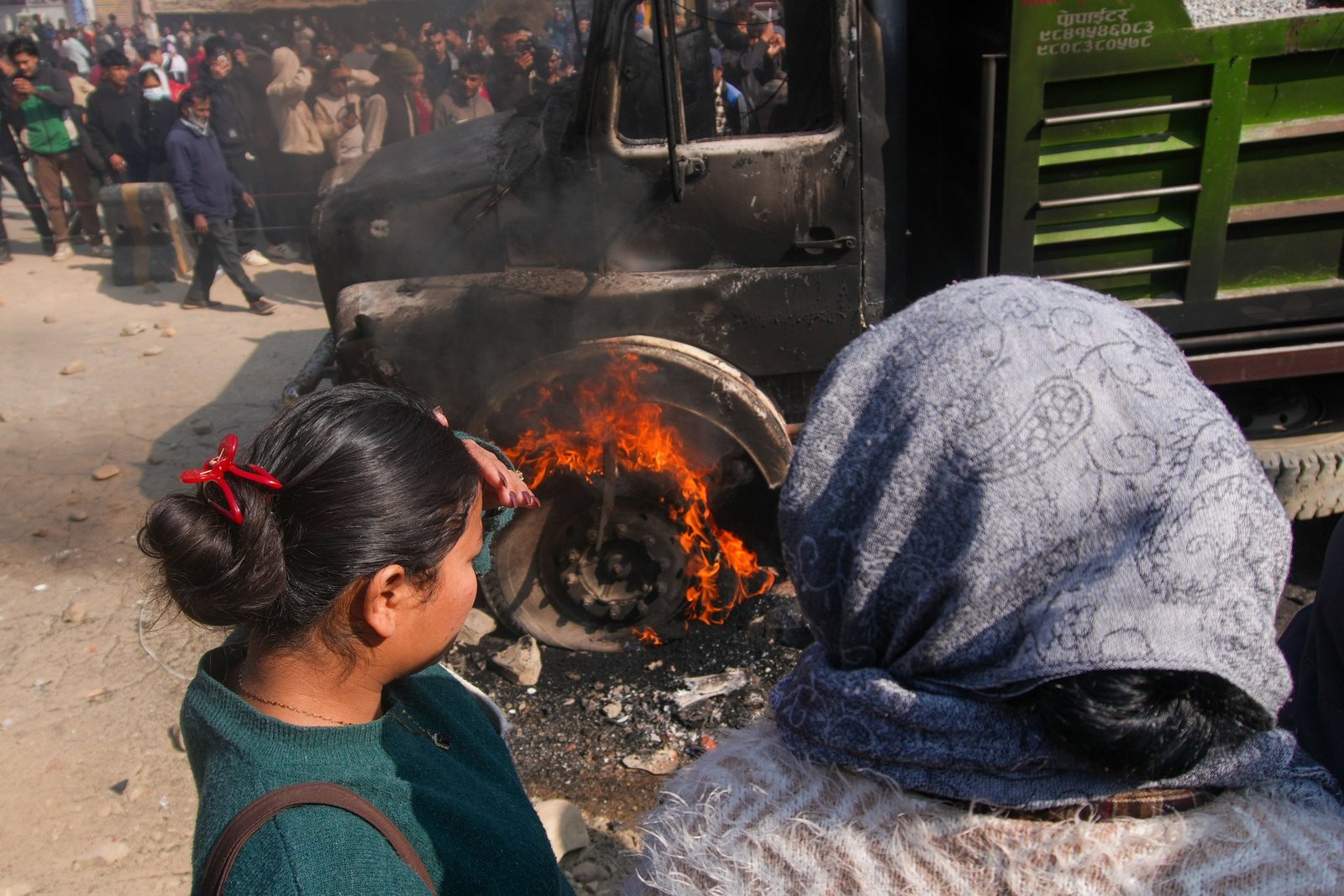
In a dramatic turn of events today in Punjab, the convoy of Kewal Singh Dhillon, the state president of the Bharatiya Janata Party (BJP), was reportedly attacked by local villagers. This incident has drawn sharp political lines and has stirred widespread reactions from both the BJP and the Aam Aadmi Party (AAP).
The situation unfolded against the backdrop of a tragic incident involving a local man’s suicide, which some believe has sparked the current unrest. As Dhillon and his team attempted to engage with the community, they were met with hostility, leading to allegations from the BJP that the AAP’s supporters were responsible for inciting the villagers.
In response, AAP officials have refuted these claims, asserting that it was the villagers themselves who opposed the BJP leaders’ presence, emphasizing local frustration with the political establishment. This clash signifies a deepening rift in Punjab’s political landscape, where tensions have been rising amid ongoing challenges related to governance and community issues.
Context of the Incident
The political climate in Punjab has been particularly volatile lately, with various parties vying for influence in a region that has historically been a stronghold for the AAP and the Congress Party. The recent suicide of a local man has reignited discussions about the failures of the political class to address pressing social and economic issues, further fueling public discontent.
Local reports suggest that the individual who took his own life had expressed feelings of despair over unfulfilled promises and inadequate government support. This tragedy has not only shaken the community but has also become a focal point for political maneuvering as parties seek to capitalize on public sentiment.
Political Repercussions
The confrontation involving the BJP convoy has broader implications for the party’s strategy in Punjab. The BJP, under Dhillon’s leadership, has been attempting to strengthen its presence in a state where it has traditionally struggled to gain a foothold against the dominant AAP and Congress. The incident could hinder these efforts, portraying the BJP as disconnected from local sentiments.
For AAP, this incident represents an opportunity to reinforce its narrative of being the voice of the local populace. By framing the villagers’ actions as a rejection of the BJP’s political tactics, AAP is likely to further entrench its support among constituents who feel neglected by the ruling parties.
Looking Ahead
As the political fallout continues, both parties are likely to engage in heightened rhetoric as they seek to sway public opinion. The BJP may attempt to distance itself from the negative perceptions arising from this incident by focusing on its development agenda, while AAP will likely emphasize grassroots connections and community engagement.
The coming days will be critical as the situation develops, with both parties needing to navigate the delicate balance between addressing public grievances and managing their political narratives. Observers will be watching closely to see how this incident shapes the future political landscape in Punjab, especially with upcoming elections on the horizon.