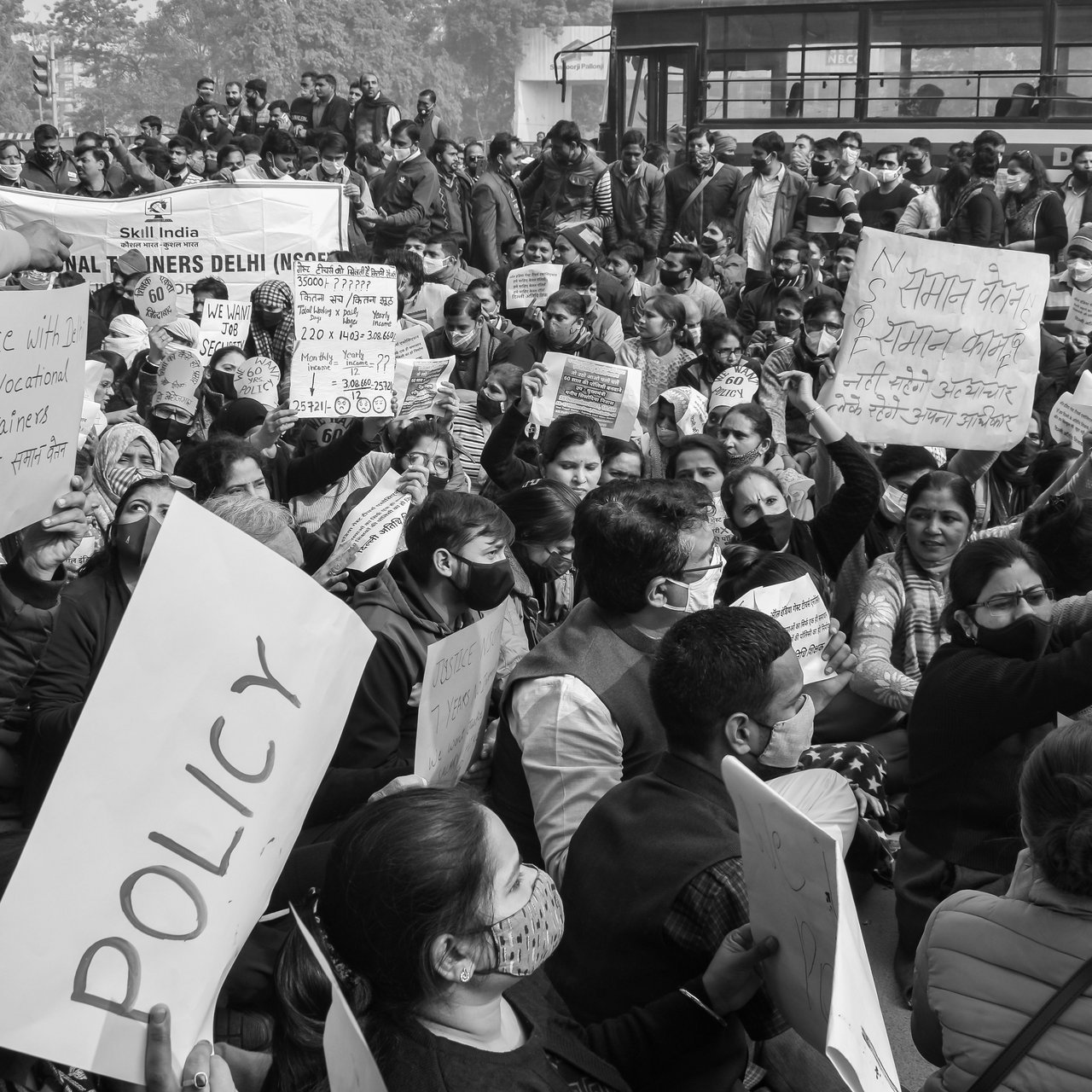
In the heart of India’s capital, Delhi, a wave of protests has erupted, focusing on the performance of the Chief Election Commissioner, Gyanesh Kumar. Citizens have expressed their dissatisfaction, demanding Kumar’s resignation amid allegations of irregularities linked to the Special Intensive Revision of voter rolls.
Background of the Protests
The protests stem from a growing concern among the populace regarding the integrity of the electoral process in the country. Citizens and political activists alike have raised serious questions about the conduct of the Chief Election Commissioner, particularly in relation to the recent revision of voter rolls. Many believe that these processes should be transparent and fair, yet reports of alleged illegalities have sparked outrage.
These demonstrations reflect a broader discontent with the electoral management in India, where the credibility of the Election Commission has come under scrutiny. The revision of voter rolls, a critical step in ensuring fair elections, is a fundamental responsibility of the Election Commission, and any perceived failure can lead to significant public unrest.
Official Responses
In light of the protests, Chief Justice Gyanesh Kumar has responded to the situation, clarifying his position on the matter. He stated, “Law and order is not within my domain,” which underscores the separation of powers and responsibilities among the different branches of government. His comments highlight the role of the judiciary in maintaining the rule of law while other authorities handle public order and electoral management.
This separation is vital in a democracy, as it ensures that each branch of government operates within its designated sphere. However, the statement may have been perceived as insufficient by protesters who view the judiciary as a key player in upholding electoral integrity and addressing public grievances.
Implications for the Electoral Process
The implications of these protests and the subsequent official responses are significant for the electoral landscape in India. As public confidence in the Election Commission wanes, the call for accountability becomes louder. The protests symbolize a critical moment where citizens are actively demanding transparency and fairness in their democratic processes.
Failure to address these concerns could lead to a further erosion of trust in electoral institutions, potentially impacting voter turnout and engagement in future elections. As these protests continue, it is essential for the authorities to engage with the public to restore confidence in the electoral system.
Next Steps and Future Considerations
Moving forward, the government and the Election Commission will need to take proactive measures to alleviate public concerns. This may involve conducting thorough investigations into the allegations of irregularities, ensuring that the processes surrounding voter roll revisions are transparent and inclusive.
The role of civil society in advocating for electoral reforms will also be crucial. Engaging with the electorate to foster a deeper understanding of the electoral process can help bridge the gap between citizens and electoral authorities.
As the situation develops, all eyes will be on how the government responds to these protests and what measures will be implemented to safeguard the integrity of the electoral process in India.
Source: NDTV India