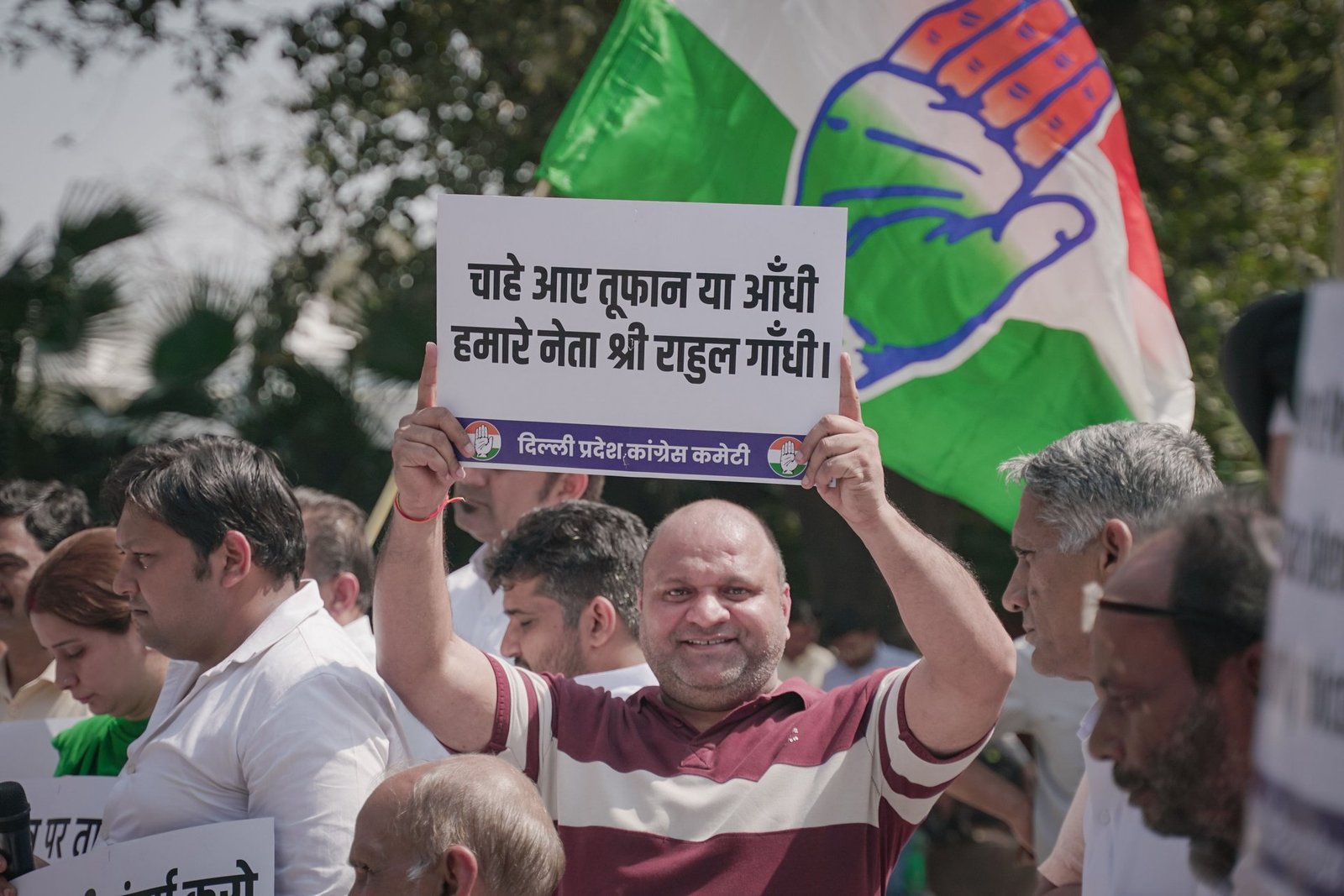
In a recent statement, Congress leader Rahul Gandhi has voiced serious concerns regarding the governance of the Aam Aadmi Party (AAP) in Punjab, particularly in light of a tragic suicide incident involving a local man named Gulzar Singh. Gandhi’s remarks highlight what he describes as a troubling trend within the AAP administration, where dissent is seemingly met with hostility rather than constructive dialogue.
Gandhi emphasized that the response of the AAP government to criticism of its performance is alarmingly punitive. According to him, individuals who dare to question the government’s shortcomings are subjected to threats and severe repercussions. This assertion was made in the context of Singh’s death, which has raised questions about the mental health support and the overall accountability of the governing body.
Background on the Incident
The case of Gulzar Singh has sparked public outcry and has been a focal point in discussions about mental health and governance in Punjab. Details surrounding the circumstances of his death remain a subject of investigation, yet the implications of his tragic end have rippled through the community, drawing attention to the pressures faced by citizens in the region.
Singh’s demise has not only reignited discussions about the effectiveness of local governance but has also brought to light the challenges faced by ordinary people in voicing their concerns. Critics argue that a culture of fear is emerging, where apprehension about governmental retribution stifles open discourse and debate.
Political Repercussions and Reactions
Rahul Gandhi’s comments have ignited a firestorm of political reactions, with various leaders from differing parties weighing in on the issue. Many have rallied behind Gandhi, echoing his concerns about the AAP’s approach to criticism and governance. They contend that a healthy political environment should encourage dialogue and accountability, rather than fear and repression.
On the other hand, leaders within the AAP have defended their policies and actions, dismissing claims of intimidation as unfounded. They argue that the party remains committed to transparency and addressing the needs of the populace, and that any insinuations to the contrary are politically motivated attacks aimed at undermining their governance.
Implications for Punjab’s Political Landscape
This incident and the ensuing political discourse reflect broader issues within India’s political landscape, particularly regarding the relationship between governing bodies and their citizens. The concerns raised by Gandhi and others may resonate with many constituents who feel marginalized and overlooked by their leaders.
As the situation unfolds, it remains to be seen how the AAP will respond to these allegations and what measures, if any, will be implemented to foster a more open and communicative relationship with the public. The outcome of this incident could have significant implications for the party’s reputation and electoral prospects in future elections.
In conclusion, the tragic case of Gulzar Singh has become a symbol of broader governance issues in Punjab, prompting key political figures to call for accountability and reform. The ongoing discourse surrounding this issue will likely shape the political narrative in the region for some time to come.