In response to the catastrophic flash floods that recently ravaged Nepal, aid and rescue operations are ramping up. The disaster struck on August 26, causing extensive damage and prompting immediate international assistance. Among those affected were several Indian nationals, with a focus on the urgent need for rescue operations in the flood-hit regions.
On the same day the floods began to wreak havoc, Indian Prime Minister Narendra Modi reached out to his Nepalese counterpart, Balendra Shah, to offer support and discuss the situation. This communication underscored the strong ties between the two neighboring countries, especially in times of crisis.
In the wake of the disaster, India quickly mobilized resources, sending the first batch of relief materials just hours after the initial contact between the two leaders. This rapid response highlights India’s commitment to assisting Nepal during this dire situation as the country grapples with the aftermath of the flooding.
Details of the Rescue Operations
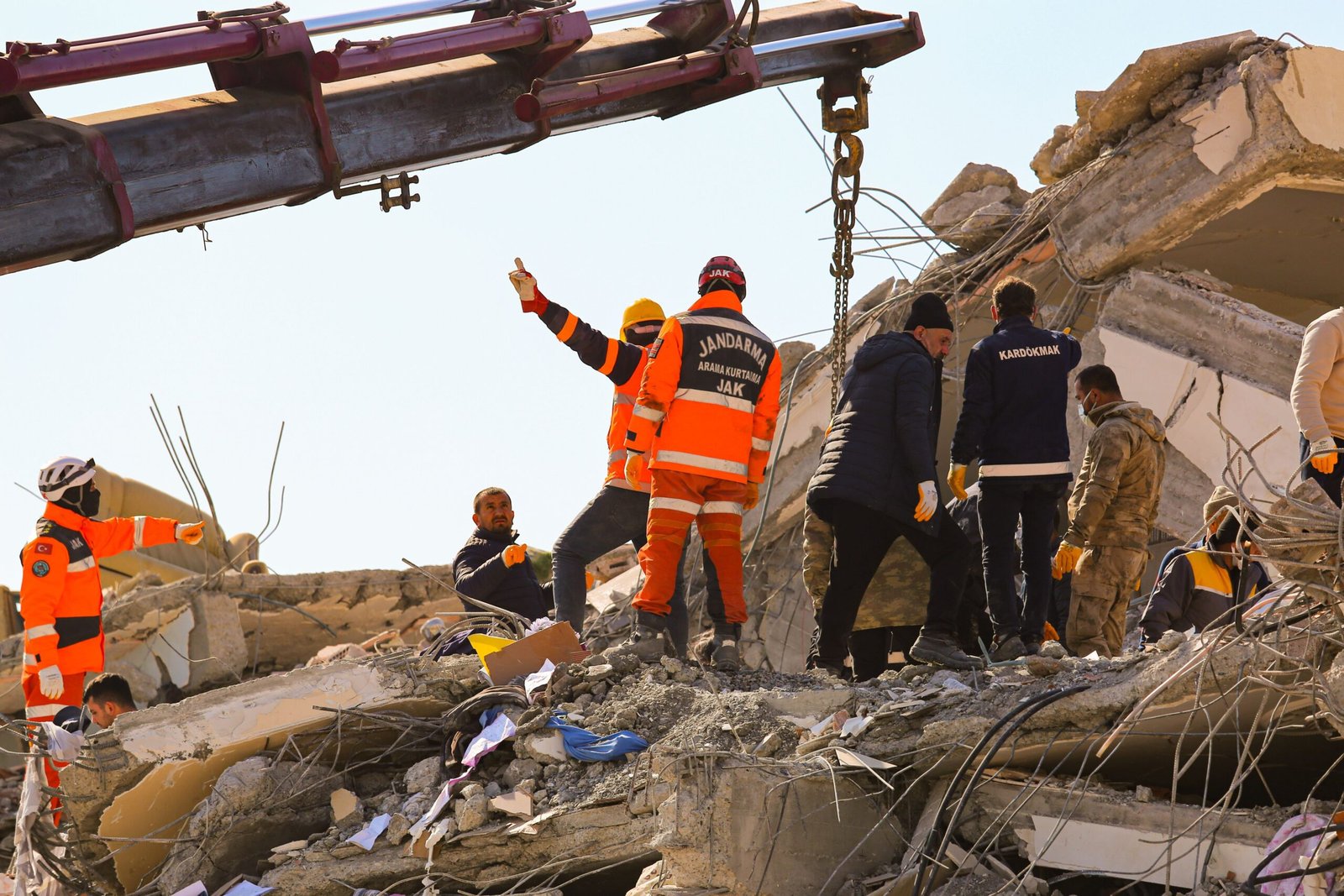
The floods have resulted in significant challenges for local authorities and rescue teams. Reports indicate that three Indians, including a five-year-old child, have been successfully rescued from the affected areas. These operations are critical not only for the safety of those trapped but also for restoring a sense of normalcy in the region.
Rescue teams are working tirelessly to locate and assist any remaining individuals stranded by the floods. The situation remains fluid, and more updates are expected as efforts continue. The involvement of Indian rescue teams, along with local agencies, is crucial in providing immediate aid and support to those in need.
Additionally, humanitarian organizations are joining the recovery efforts, providing essential supplies such as food, water, and medical assistance to the affected populations. The coordination between various agencies is vital as they work to address both immediate needs and long-term recovery plans.
The Significance of International Aid
The flooding in Nepal is not just a national crisis but also a regional one, highlighting the importance of international cooperation in disaster response. The swift action taken by India reflects a longstanding tradition of mutual support between the two nations, especially during emergencies.
As rescue operations unfold, the international community is watching closely, with many expressing solidarity and readiness to assist. The implications of this disaster extend beyond immediate relief; it raises awareness of the ongoing vulnerabilities that countries like Nepal face due to climate change and extreme weather conditions.
In the coming days, more relief efforts are anticipated, and discussions between Nepal and its allies will likely intensify as the country seeks to rebuild and recover from this calamity. The situation remains critical, with many lives still at risk, and the focus will be on ensuring that all affected individuals receive the necessary support.