A large-scale crackdown occurred in Delhi as authorities detained approximately 1,500 individuals, including four former Chief Ministers, during protests organized by the Citizens for Justice and Peace (CJP). The protests aimed to address pressing issues facing the nation, with participants gathering at various locations across the capital.
Key Figures Detained
Among those detained were prominent CJP founder Abhijeet Dipke, alongside leaders Ashutosh Ranka and Saurav Das. These leaders were apprehended upon their arrival at the airport, indicating the government’s swift response to the planned demonstrations. Their detention took place as part of a broader effort to manage the protests that had escalated in intensity.
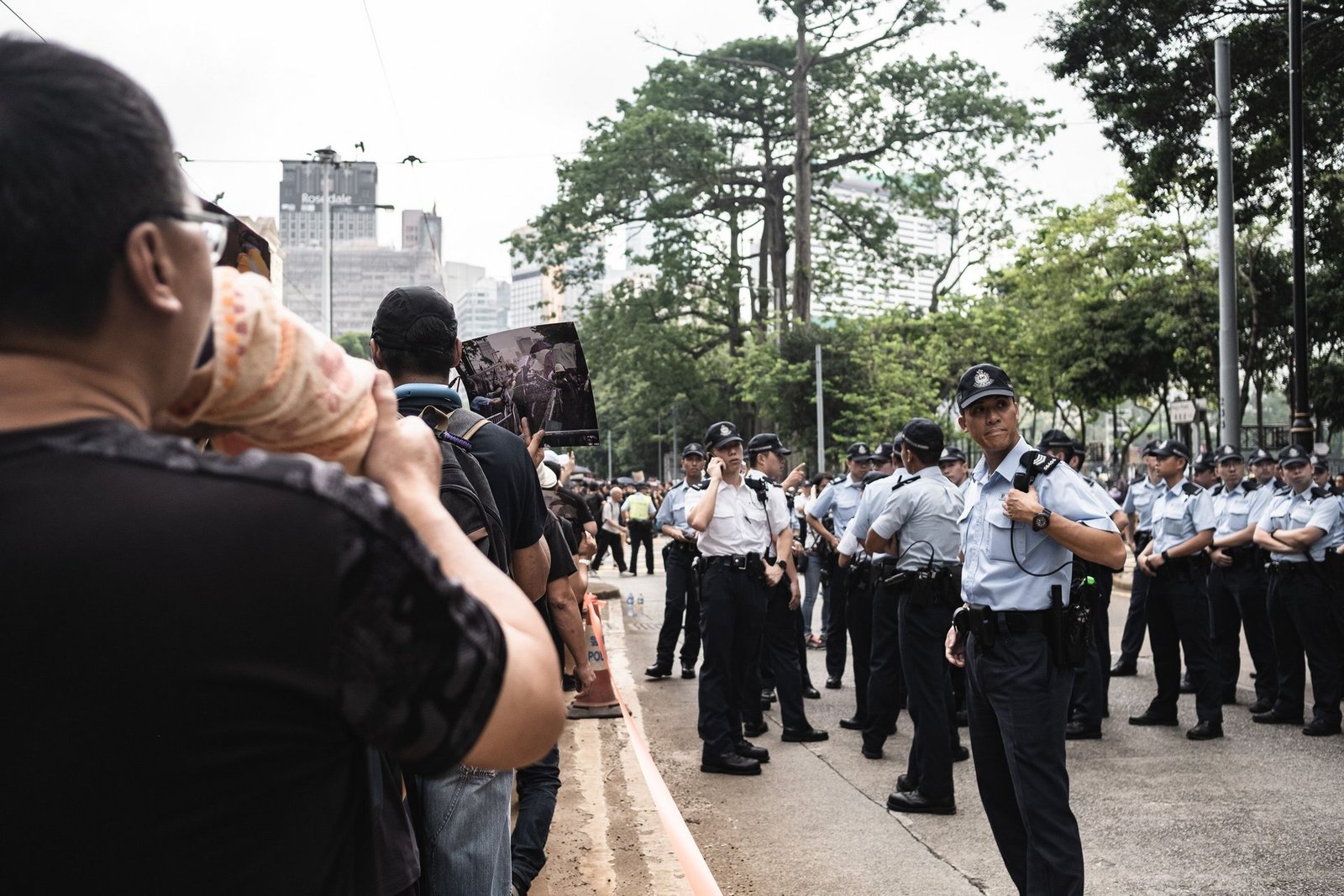
The protesters had intended to march towards Jantar Mantar, a traditional site for demonstrations in the capital, but were met with significant police presence. Authorities took proactive measures to prevent any large-scale gatherings that could disrupt public order.
Widespread Protests and Government Response
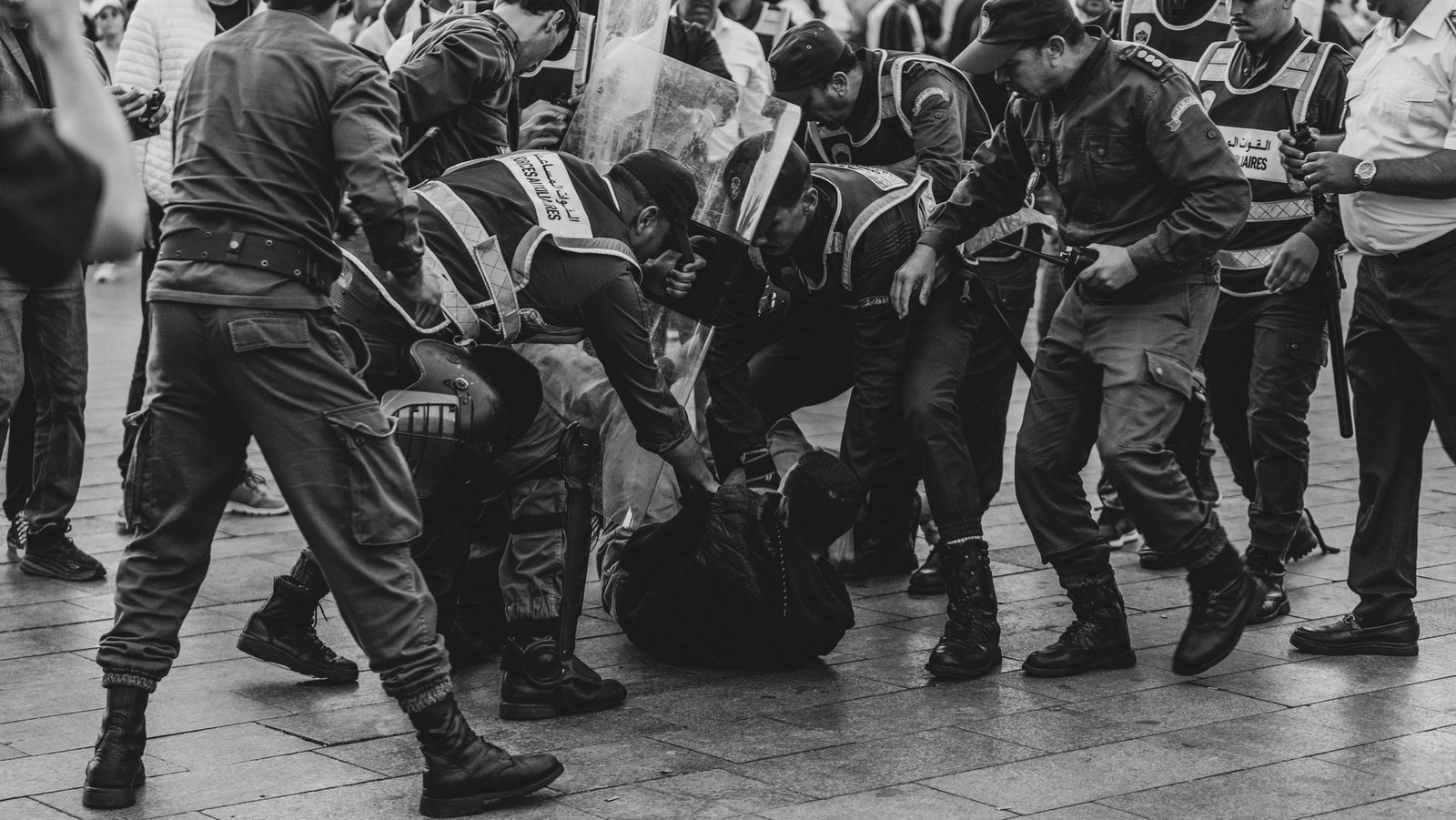
In addition to the high-profile detentions, hundreds of other demonstrators faced police action as they attempted to hold sit-in protests throughout the city. The swift and extensive response by law enforcement reflects the government’s stance on public protests, particularly those organized by groups like CJP that focus on social justice and communal harmony.
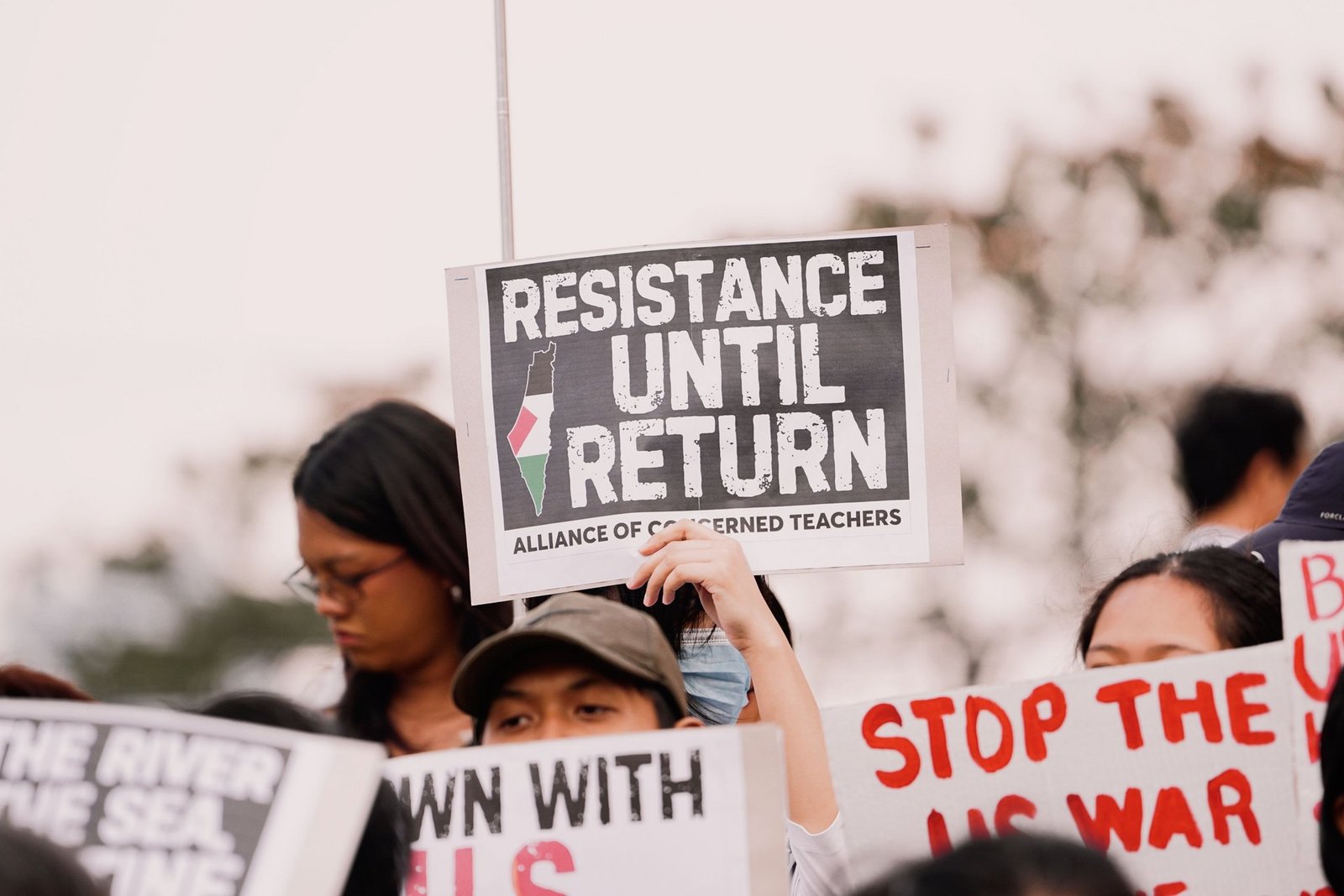
The protests were marked by calls for accountability and justice in light of ongoing social issues in India, which have fueled public discontent. The involvement of former Chief Ministers in the demonstrations highlights the significance of the movement, as these leaders have substantial political influence and public support.
Implications of the Crackdown
The mass detention of protesters raises questions about the state of civil liberties and the right to protest in India. Critics argue that such actions undermine democratic principles and limit freedom of expression. The government’s approach to handling dissent will likely draw scrutiny from human rights organizations and the international community.
As the situation develops, it remains to be seen how the detained individuals will be treated and whether further protests will take place. Activists and supporters of CJP are expected to continue advocating for their causes despite the setbacks faced during the recent demonstrations.
In conclusion, the crackdown on the CJP protests in Delhi serves as a critical moment in the ongoing dialogue about civil rights and government authority in India. With high-profile figures involved and a large number of detentions, this incident could have lasting implications for future activism in the country.
Source: NDTV India