In a recent statement, Sonam Wangchuk, a prominent activist and engineer, has expressed his discontent over the detention of leaders from the Citizens for Justice and Peace (CJP) and opposition figures during a planned protest at Jantar Mantar in New Delhi. Wangchuk emphasized the urgency of the situation, indicating that if these individuals are not released by tomorrow, he may resort to an Anshan Fast, commonly known as a hunger strike, or initiate a Padyatra March, which involves marching to raise awareness.
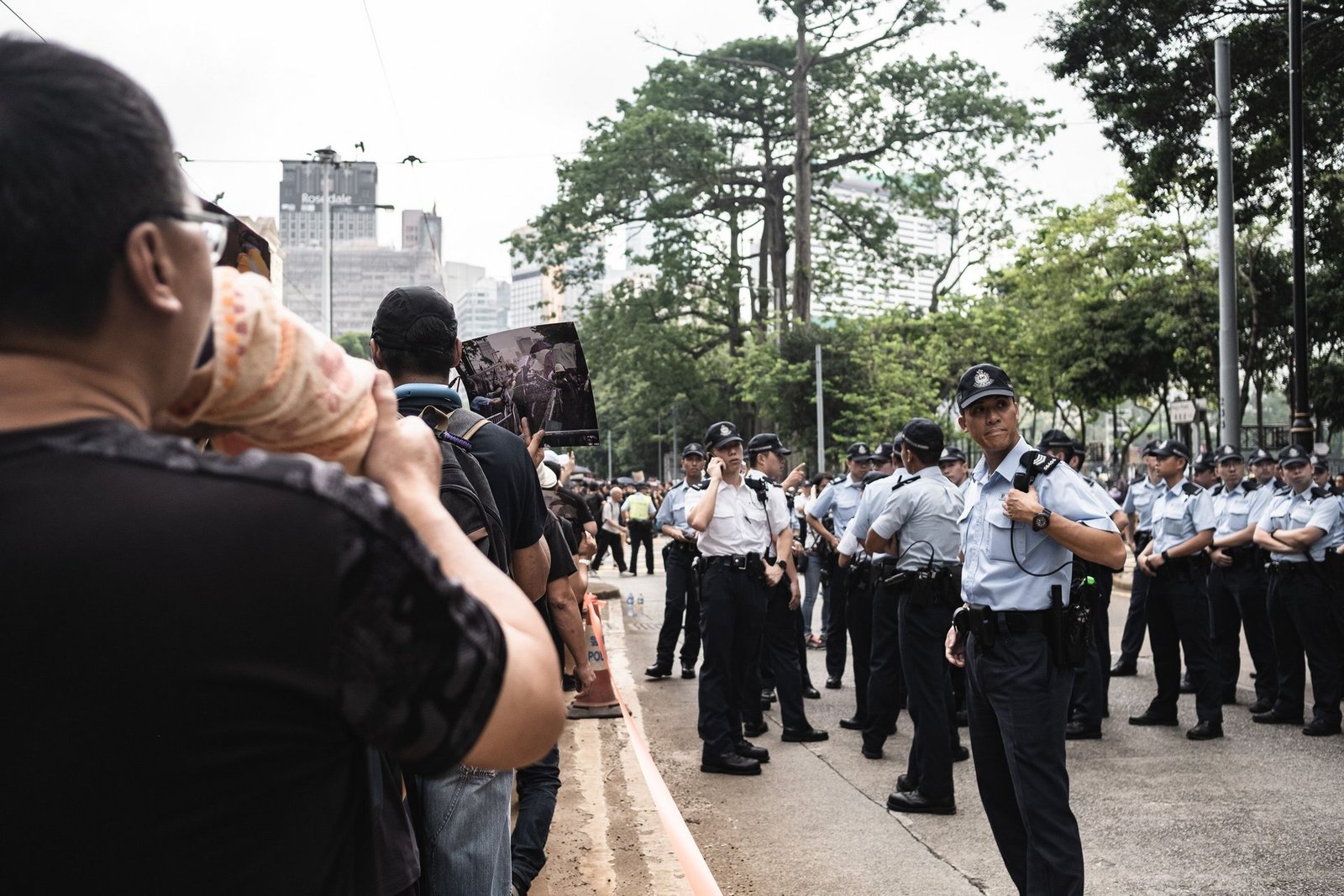
The CJP, an organization known for advocating human rights and justice in India, intended to voice its concerns regarding various social issues. However, the authorities did not permit the gathering, leading to tensions between the group and law enforcement. Wangchuk’s remarks reflect a growing frustration among activists who feel their rights to protest and free speech are increasingly being curtailed.
Wangchuk, who is well-known for his commitment to environmental sustainability and social justice, has previously been involved in various movements aimed at bringing attention to pressing issues in India, particularly in the Himalayan region. His threats of a hunger strike highlight not only his personal convictions but also the broader struggle for democratic rights in the country.
Context of the Protest
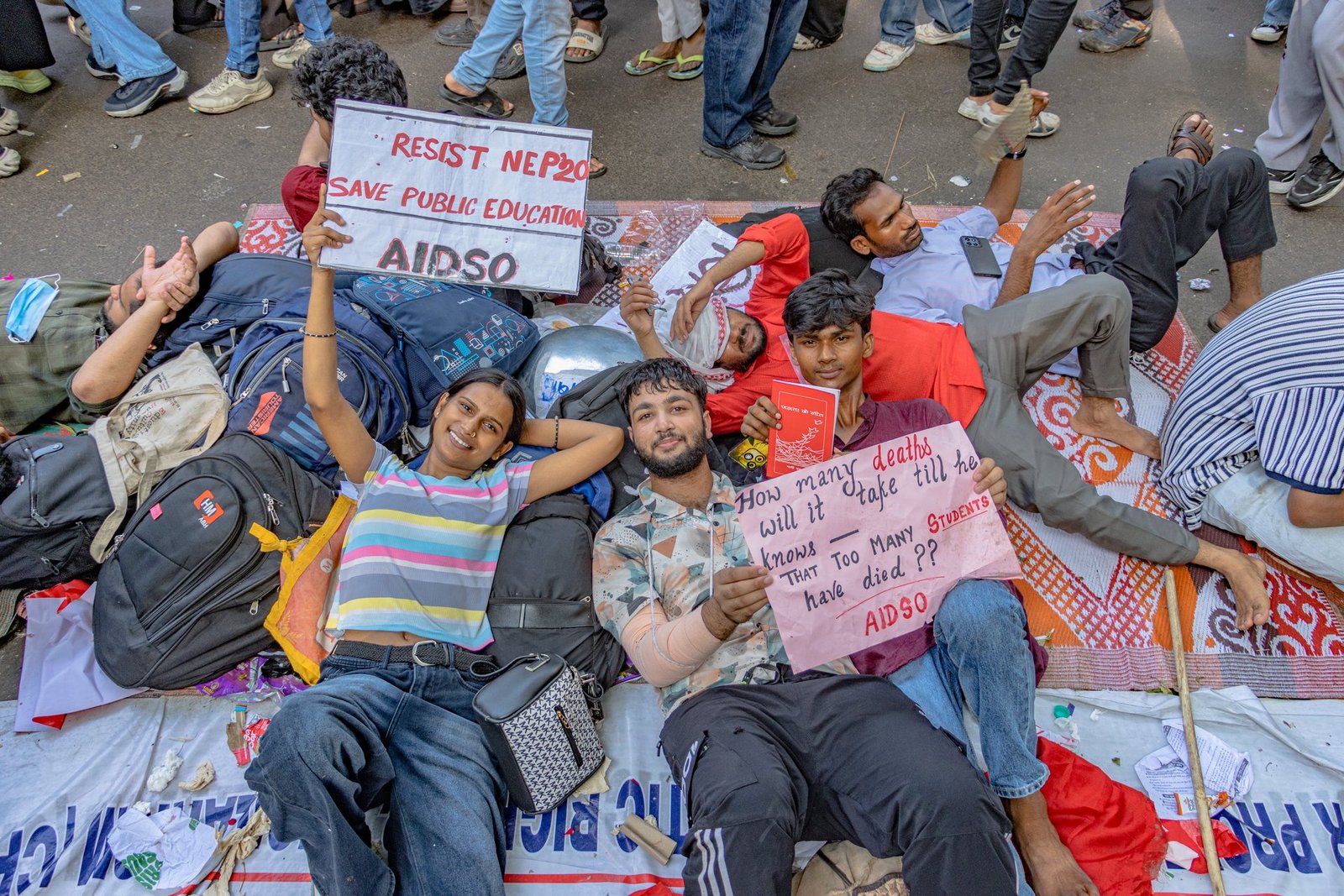
The protest at Jantar Mantar was intended to address significant grievances pertaining to justice and accountability in the Indian political system. Many activists view the restrictions placed on protests as indicative of a larger trend toward authoritarianism. The CJP, along with opposition leaders, aimed to unite voices calling for transparency and reform in governance.
Authorities have often justified the suppression of protests by citing security concerns. However, critics argue that such measures are frequently employed to stifle dissent and prevent meaningful dialogue. This situation has raised considerable alarm among civil society members and activists who are advocating for the protection of democratic freedoms.
Implications of Wangchuk’s Action
Wangchuk’s potential hunger strike could galvanize further action among supporters of the CJP and other activist groups. A hunger strike has historically been a powerful form of protest in India, drawing significant media attention and public sympathy. Should Wangchuk proceed with this plan, it may not only elevate the plight of those detained but also reignite discussions around the right to protest in India.
Moreover, the implications of such an act could extend beyond immediate attention to the CJP’s situation. It may also raise awareness about the broader challenges faced by activists in the country, especially those advocating for marginalized communities and pressing social issues. Furthermore, if Wangchuk’s health were to deteriorate during a hunger strike, it could prompt a national conversation about the treatment of dissenters and the importance of safeguarding civil liberties.
As the deadline approaches, the spotlight remains on the authorities’ response and the actions of Wangchuk and his supporters. The development of this situation will be closely monitored, as it could have significant ramifications for the future of activism and protest rights in India.
Source: NDTV India