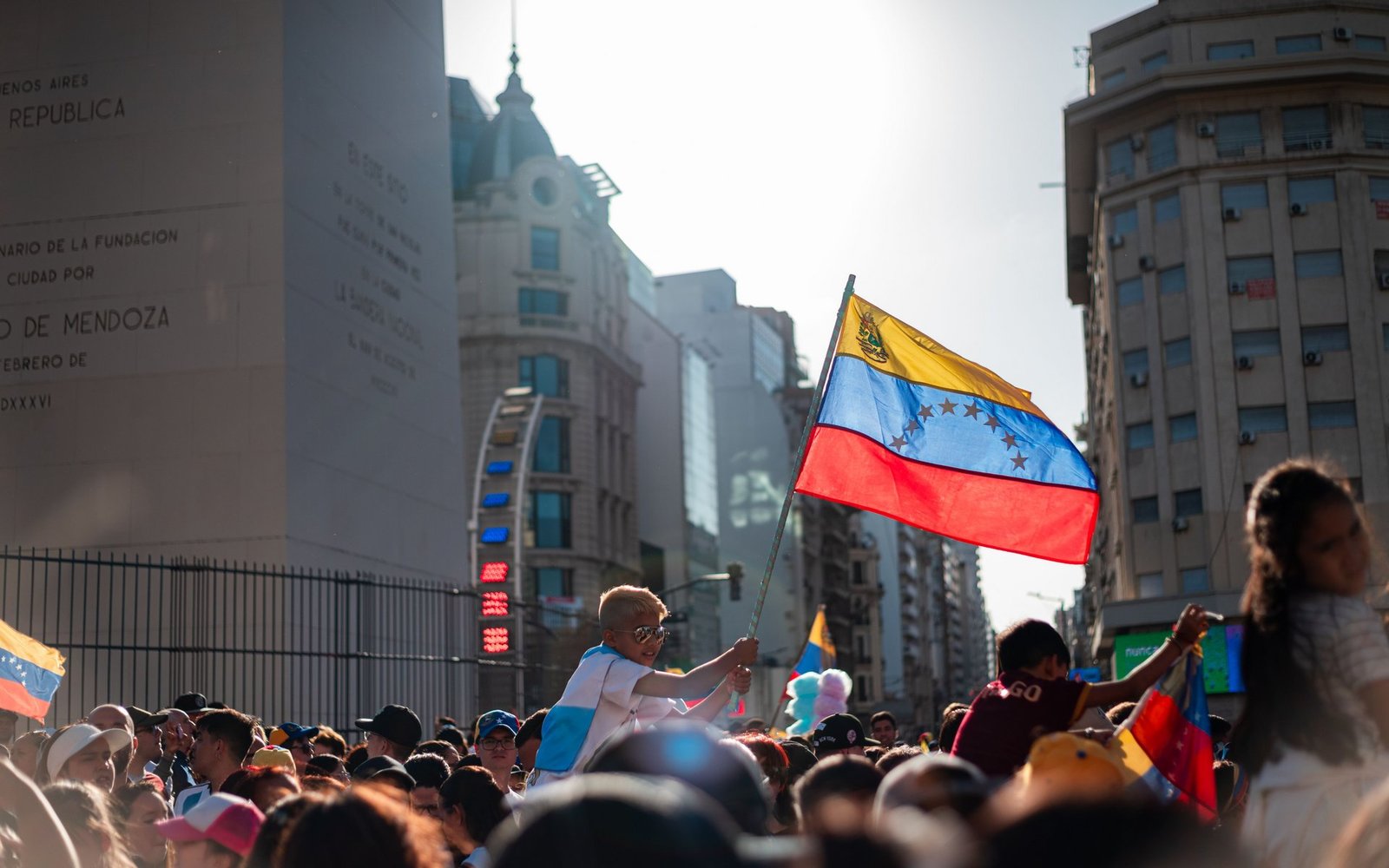
In a significant diplomatic encounter, President Donald Trump met with Delcy Rodríguez, the interim president of Venezuela, at the UN General Assembly. This meeting marks their first direct discussion since the U.S. officially endorsed her leadership following Nicolás Maduro’s ousting.
Rodríguez stepped into the role of interim president after U.S. forces executed a raid in Caracas that led to Maduro’s capture. Their discussion took place in proximity to the New York facility where Maduro is currently detained, facing charges related to drug trafficking.
Strategic Discussions on Cooperation
During their meeting, Rodríguez indicated that the talks focused on forging a collaborative agenda in key sectors including energy, mining, and security. Joining Trump and Rodríguez were key figures such as U.S. Secretary of State Marco Rubio and White House Chief of Staff Susie Wiles.
Notably, under Rodríguez’s leadership, an agreement was reached that permits U.S. companies to control an impressive 65 billion barrels of Venezuelan oil, which constitutes over 20% of the nation’s total reserves. This arrangement grants a U.S.-led consortium concessions spanning a century over 17 different oilfields within Venezuela.
Trump’s Remarks on Oil Resources
Trump described this agreement as potentially “the biggest oil deal in world history” during his speech at the UN. He emphasized that both the U.S. and Venezuela collectively manage more than 60% of the global oil supply, stating, “To the victor belong the spoils.” This assertion underscores the significance of their resource control in the current geopolitical landscape.
Rodríguez is set to address the UN assembly on Wednesday, continuing her role in international diplomacy. She previously held the office of vice-president under Maduro and faced U.S. sanctions in 2018, which were lifted earlier this year. Her ascension to the interim presidency was sanctioned by the Venezuelan National Assembly shortly after U.S. forces intervened.
Political Context and Challenges
The political situation in Venezuela remains complex, particularly with opposition leader Maria Corina Machado facing repeated barriers to her return to the country. This backdrop of political strife highlights the ongoing challenges that Rodríguez and her government face as they navigate both domestic and international pressures.