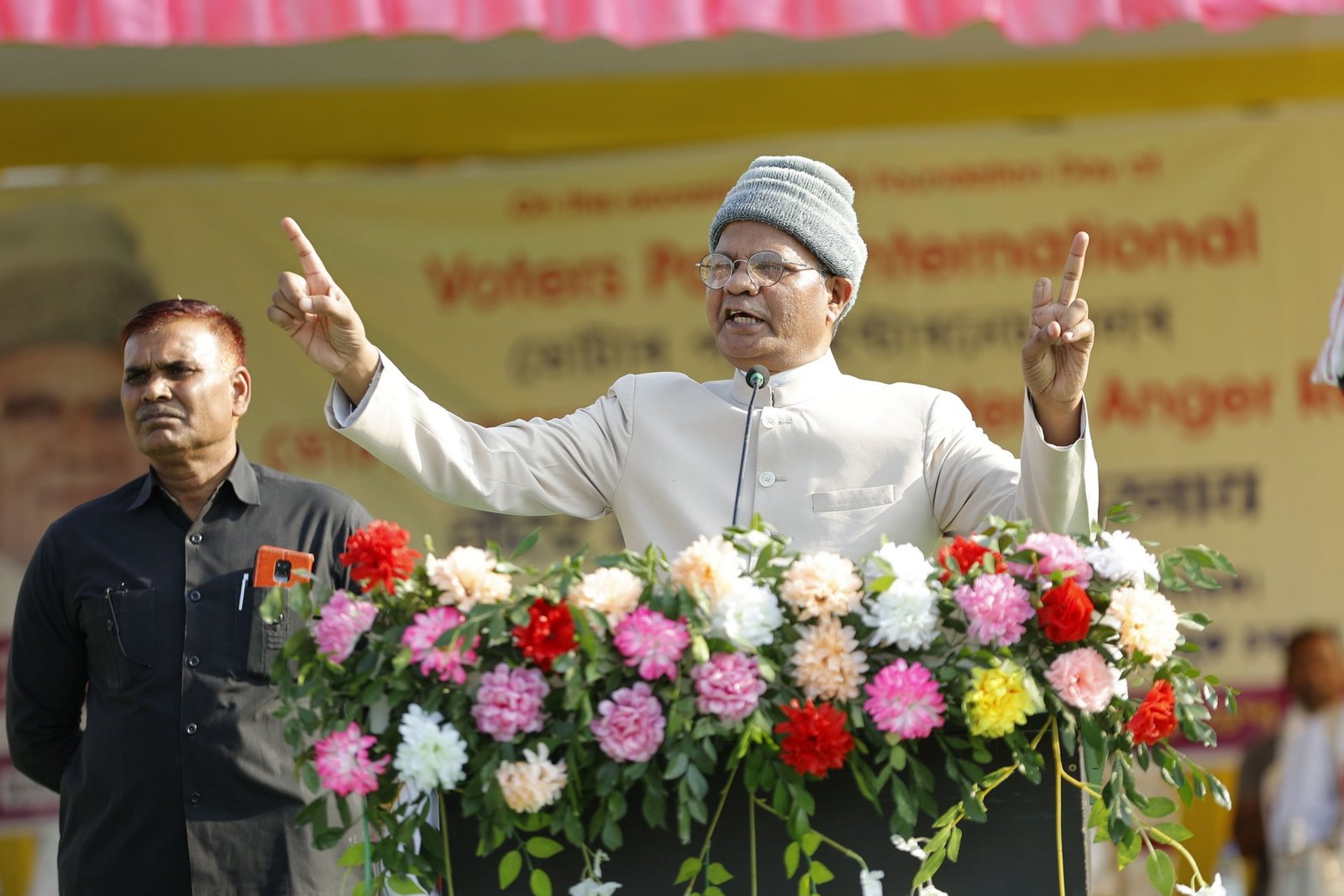
The recent controversial post made by a social media influencer from Delhi has sparked outrage and highlighted ongoing issues surrounding racial discrimination, particularly against individuals from the northeastern states of India. The incident has drawn comments from various political figures, including a prominent Union Minister, who emphasized the need for accountability among content creators in the digital space.
Background of the Incident
This incident comes at a time when discussions about racial abuse are increasingly relevant in Indian society. The influencer’s post, which has been widely criticized, was seen as a blatant act of racism that perpetuates harmful stereotypes about individuals from the northeast. The post not only offended many but also reignited debates regarding the treatment of people from these regions within mainstream Indian culture.
Social media platforms have become battlegrounds for such discussions, where racial slurs and derogatory posts are often normalized. This trend raises serious questions about the responsibility of influencers and content creators who have significant reach and impact over their audiences. The Union Minister’s response suggests a growing recognition of the need for enhanced accountability in the digital landscape.
Official Reactions
The Union Minister’s remarks underscored the belief that individuals who engage in such discriminatory behavior must face consequences. The statement, “Evil man will be punished,” reflects a strong stance against racism and calls for punitive measures against those who perpetuate hate speech. This sentiment resonates with many who advocate for a more inclusive and respectful discourse in public forums.
Furthermore, the Minister’s comments may indicate a push for stricter regulations governing online conduct, particularly for those who wield significant influence on social media. As influencers possess the power to shape public opinion, their responsibility to promote positive and respectful interactions becomes paramount.
Broader Implications for Society
This incident serves as a reminder of the deep-seated issues of racism and discrimination that still exist within various facets of Indian society. The normalization of racial abuse, especially towards people from the northeastern states, reflects broader societal attitudes that need to be addressed. The ongoing discourse surrounding this event could lead to increased awareness and possibly even legislative changes aimed at curbing hate speech online.
As the conversation evolves, it remains crucial for both the public and policymakers to consider the implications of unchecked racism and the role of digital platforms in facilitating such behavior. The responsibility lies not only with individual influencers but also with social media companies to enforce community standards that prevent the spread of hate and discrimination.
Looking Ahead
In the wake of this incident, it will be important to monitor any actions taken by authorities and social media platforms to address the matter. Future discussions may focus on the effectiveness of current regulations regarding online behavior and whether they adequately protect marginalized communities from racial abuse.
Moreover, the ongoing dialogue about racism in India must continue to evolve, fostering an environment where respect and inclusivity are prioritized. The influence of social media cannot be understated, and as more individuals engage with these platforms, the imperative for responsible content creation becomes even more critical. Ensuring that such incidents do not become a norm in society is essential for building a more equitable future.
Source: NDTV India