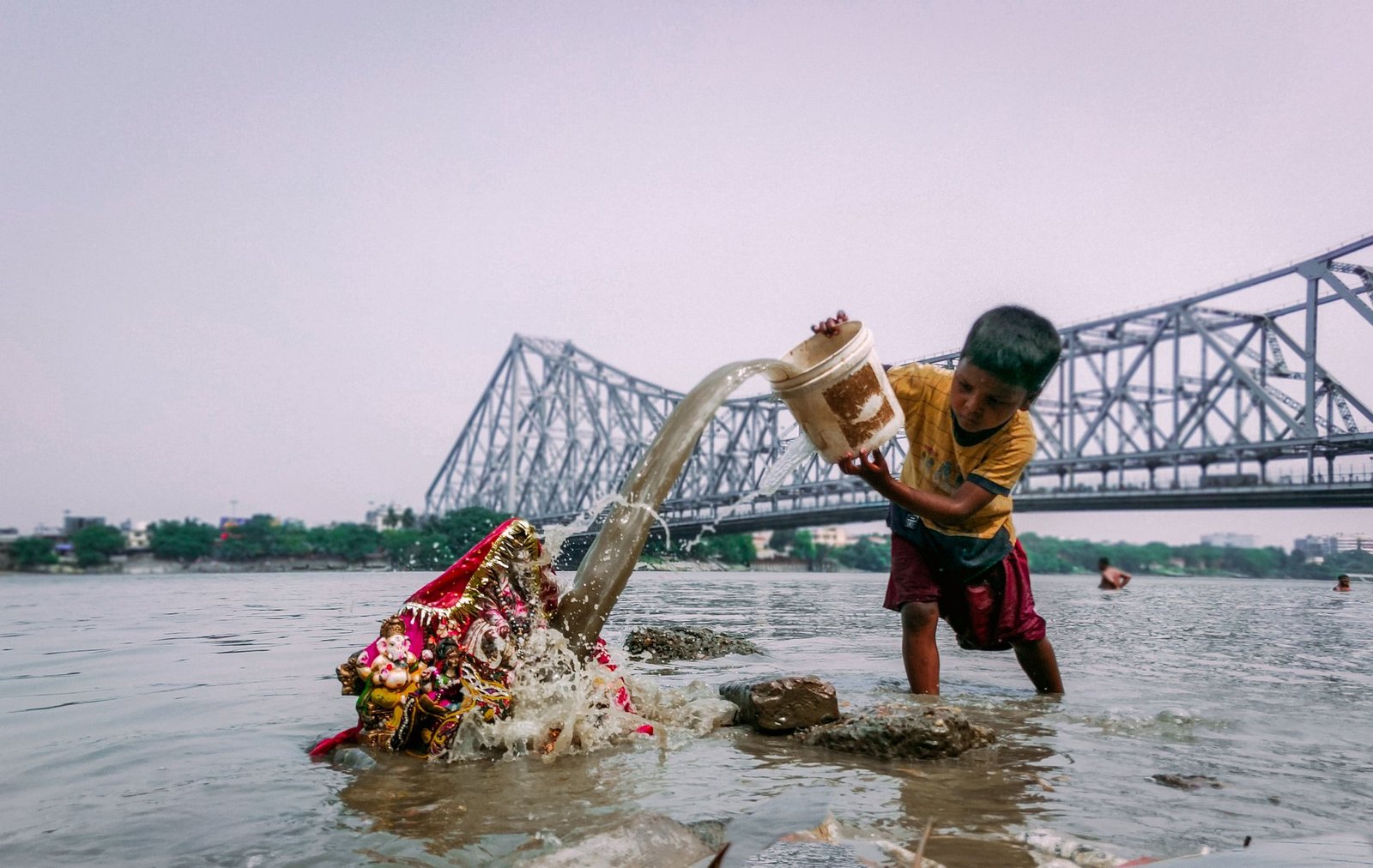
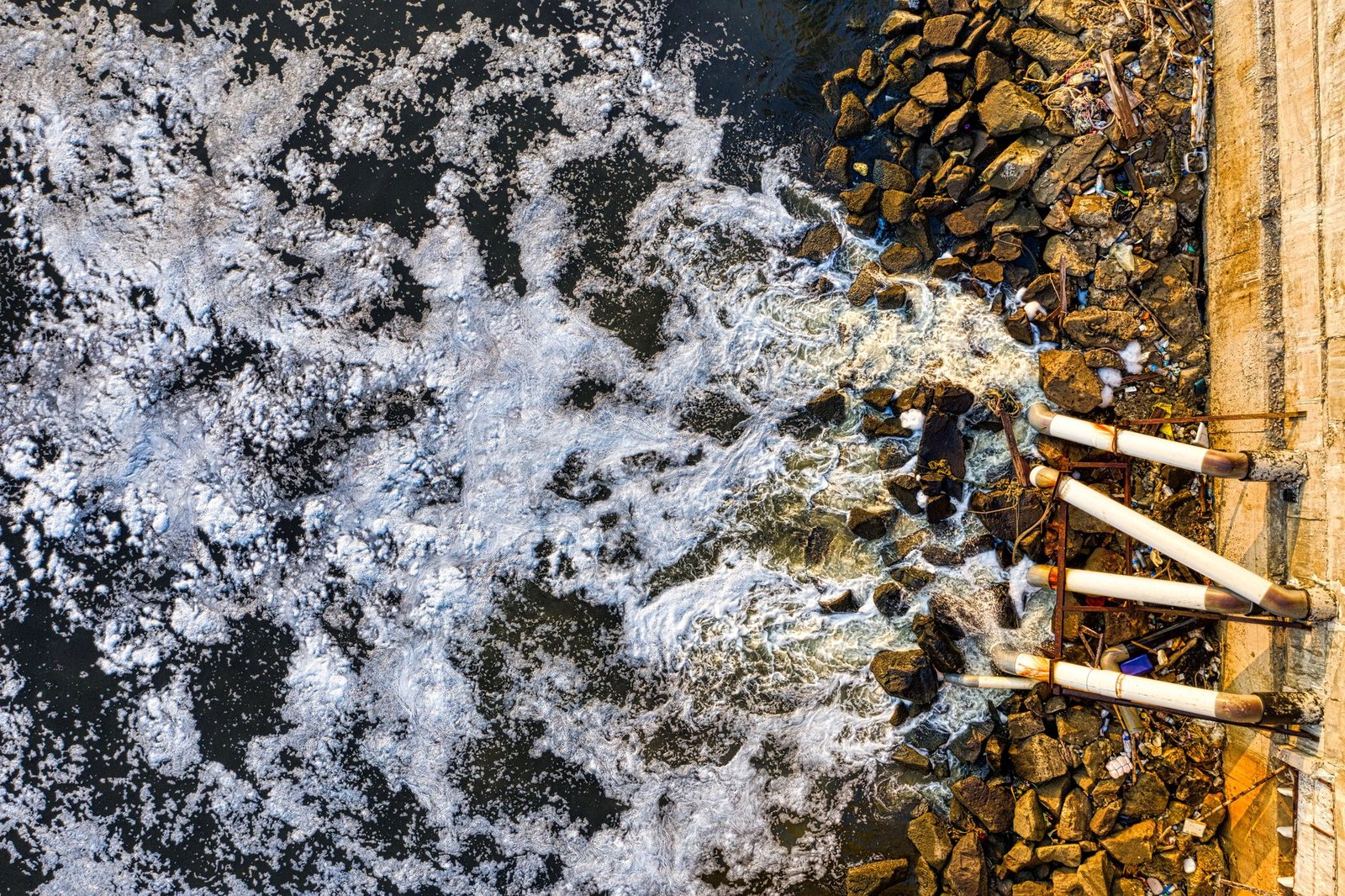
The air quality in the Delhi-NCR region has reached alarming levels, prompting environmental and health concerns across the area. Recent reports indicate a significant decline in air quality, as the region grapples with an increase in pollution levels that are now categorized as ‘unhealthy.’ This deterioration is not just affecting the air but is also having a visible impact on local water bodies, particularly the Yamuna River, where toxic foam has reappeared.
Air Quality Crisis in Delhi-NCR
The National Capital Region has been experiencing increasingly poor air quality, which has raised red flags for health officials and environmental agencies. In response to this crisis, the Commission for Air Quality Management (CAQM) acted decisively by initiating Stage 1 of the Graded Response Action Plan (GRAP) on October 21. This action is aimed at addressing the rising levels of air pollution and mitigating its effects on the population.
Stage 1 of the GRAP includes various measures designed to improve air quality, such as restricting construction activities, promoting the use of public transport, and regulating industrial emissions. These steps are crucial as the region navigates through the thickening smog that often blankets it during this time of year.
The Impact of Toxic Foam on the Yamuna
Alongside the deteriorating air quality, the resurgence of toxic foam in the Yamuna River presents another alarming environmental issue. This foam, which is primarily caused by the discharge of untreated sewage and industrial effluents into the river, poses significant health risks. The foam not only affects the water quality but also has broader implications for the ecosystem and local communities that rely on the river for their livelihoods.
The presence of toxic foam is indicative of the ongoing pollution crisis that the Yamuna faces. Local authorities and environmentalists have long been warning about the consequences of neglecting water quality, especially as seasonal changes often exacerbate the issue.
Future Implications and Community Response
As the air quality continues to decline and the Yamuna’s pollution levels rise, the need for immediate and effective action becomes increasingly urgent. Community responses have been varied, with some residents advocating for stricter regulations on waste discharge and better enforcement of existing environmental laws.
In light of these challenges, it is essential for both government agencies and the public to work collaboratively towards sustainable solutions. This may include enhancing waste treatment facilities, increasing awareness about pollution, and implementing more rigorous monitoring of air and water quality.
The situation in Delhi-NCR serves as a critical reminder of the interconnectedness of air and water quality issues, and the necessity for a comprehensive approach to environmental management. As authorities continue to address the immediate crisis, long-term strategies must also be developed to ensure a healthier and more sustainable future for the region and its inhabitants.
Source: NDTV India