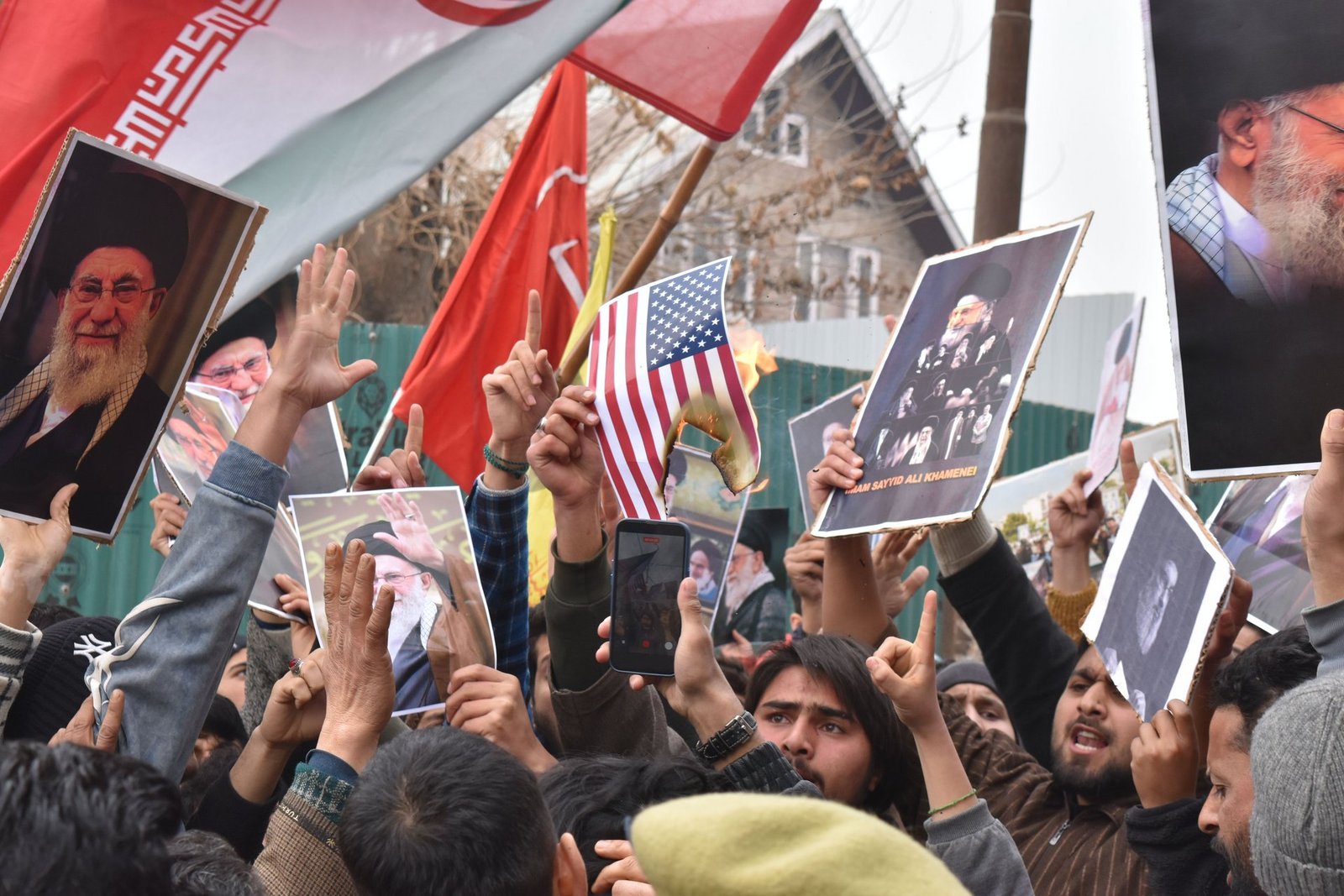
US intelligence agencies have assessed that Iran’s stance has become more assertive after six months of ongoing conflict. According to a report by The New York Times, published on Friday, Iran seems more assured in its capacity to strike Middle Eastern targets and is intent on prolonging the conflict, aiming to challenge American efforts.
Potential for Escalation
Recent skirmishes in the region have been relatively contained, but intelligence reports indicate that Iran might be considering a significant escalation. According to individuals familiar with these assessments, the hardline Iranian government is not showing signs of seeking a resolution with the United States.
US officials, both current and former, have noted that Tehran appears unwilling to negotiate an end to the hostilities, particularly before the US mid-term elections in November. They speculate that Iran hopes ongoing conflict and elevated energy prices might complicate matters for President Trump and the Republican Party.
Military and Strategic Calculations
Iran’s enhanced missile and drone capabilities, alongside its strategic use of the Strait of Hormuz, bolster its military calculations. The strait is a crucial passage for global oil trade, previously facilitating about 20% of the world’s oil flow before the conflict.
Representative Jason Crow, a member of the House Intelligence Committee, noted Iran’s increasing confidence despite the damages it has incurred. Other officials have suggested that Iran anticipates the US might be hesitant to engage in large-scale attacks due to dwindling ammunition supplies.
Cyber and Political Tactics
The conflict has expanded into cyberspace, with US officials attributing cyberattacks on over 100 American water systems in late July to Iran-linked hackers. Although these attacks did not compromise water safety, they caused disruptions that required manual interventions.
Iranian cyber efforts also extend to the US oil and gas sectors. Cybersecurity experts suggest that these cyberattacks, even if unsuccessful, play a role in draining public tolerance for the ongoing conflict.
Moreover, Iran is reportedly attempting to influence US politics through social media, with platforms like Facebook and Instagram identifying Iran-based accounts posting politically charged content related to the mid-term elections.
Conclusion
The comprehensive intelligence assessments depict an Iranian government that, while damaged, remains resilient and strategic. The six-month conflict seems to have fortified Tehran’s belief in its ability to endure hardships while maintaining military strengths and imposing costs on the US and its allies.