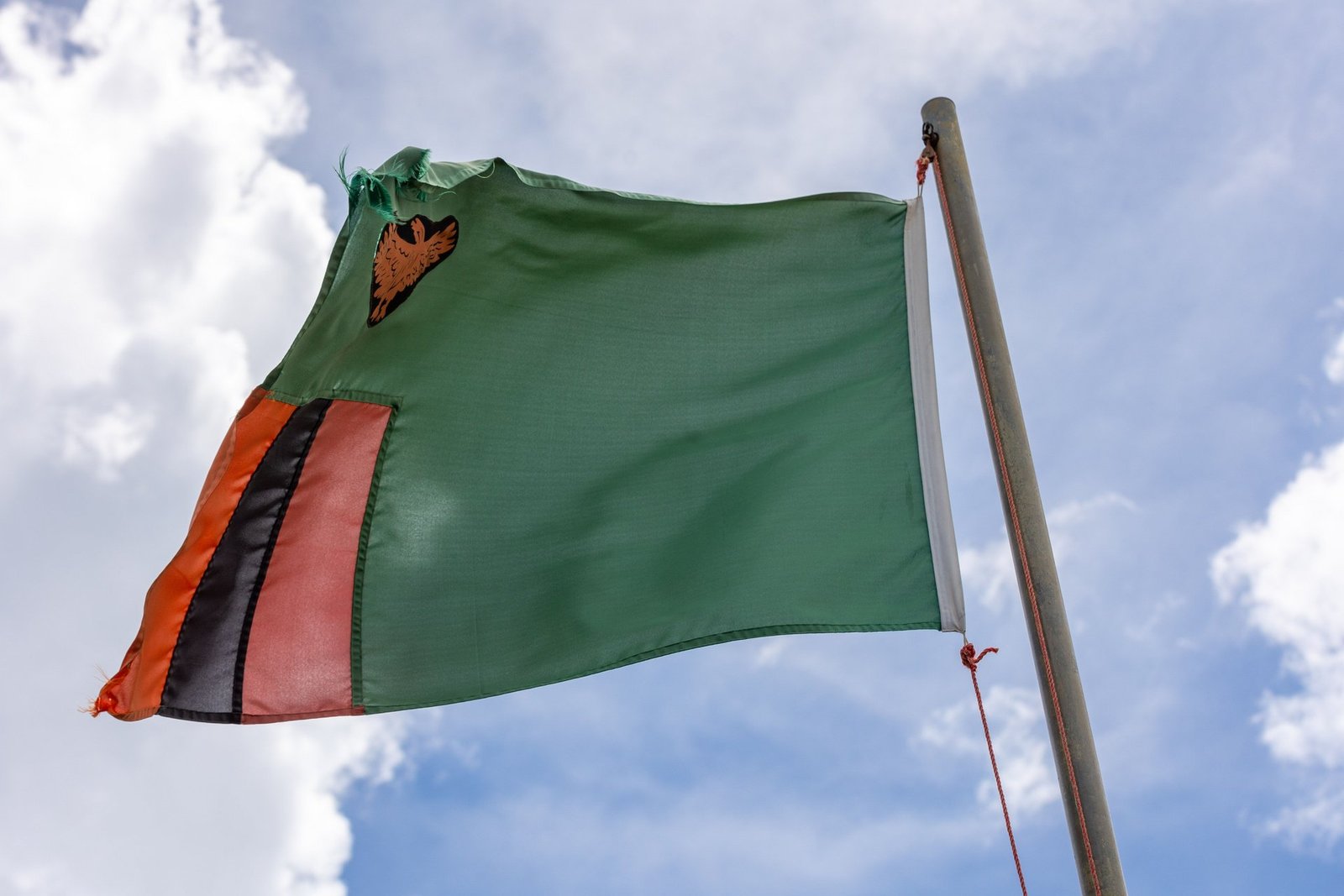
In Zambia, authorities have issued a critical warning advising residents against consuming meat from wildlife following a significant anthrax outbreak that has resulted in the deaths of numerous animals. Among the deceased are hippos, elephants, buffalo, and even a crocodile, highlighting the serious nature of this health risk.
Over the weekend, officials from the Disaster Management Agency reported that twelve individuals had contracted the disease after eating meat from these deceased animals in the Munyamadzi River region. They have urged the public to refrain from consuming meat from any wildlife that dies under suspicious circumstances and to report any such incidents immediately.
Suspension of Hunting Activities
In light of the outbreak, authorities have also decided to suspend all hunting activities in the affected areas until further investigations can determine the full scope of the outbreak and its associated risks. Surveillance efforts and laboratory testing are currently underway to assess how widespread the outbreak is.
Although anthrax is not uncommon in Zambia, cases resulting in human fatalities are relatively rare. The country faced a notable outbreak earlier this year, which affected several provinces and resulted in four deaths. A previous significant outbreak occurred in 2011, which saw over 500 cases and five fatalities linked to the consumption of infected hippo meat.
Details of the Outbreak
According to the Disaster Management and Mitigation Unit, the latest outbreak has resulted in the deaths of 46 hippos, eight elephants, five buffalo, and one crocodile in the Munyamadzi Game Management Area of Muchinga province since July. National coordinator Norman Chipakupaku expressed concern over the local community’s reliance on these animals for sustenance, noting that many carcasses were consumed by residents.
As of now, there have been no reported human fatalities connected to this outbreak, and the twelve infected individuals are currently receiving medical treatment. It is crucial for the public to understand that anthrax, caused by the bacteria Bacillus anthracis, can persist as spores in soil for extended periods and poses a significant risk to grazing animals, leading to sudden death.
Health and Safety Recommendations
Officials have reiterated the importance of avoiding any interaction with wildlife, particularly animals that have died unexpectedly or are suspected to have died from anthrax. Zambians are strongly advised against consuming, selling, or handling meat from such animals. This warning is part of a broader effort to control the outbreak and protect public health.
In summary, the Zambian authorities are taking extensive measures to manage the anthrax outbreak and safeguard the health of its citizens. The situation is evolving, and ongoing monitoring and public awareness campaigns are crucial as the community navigates this serious health concern.