
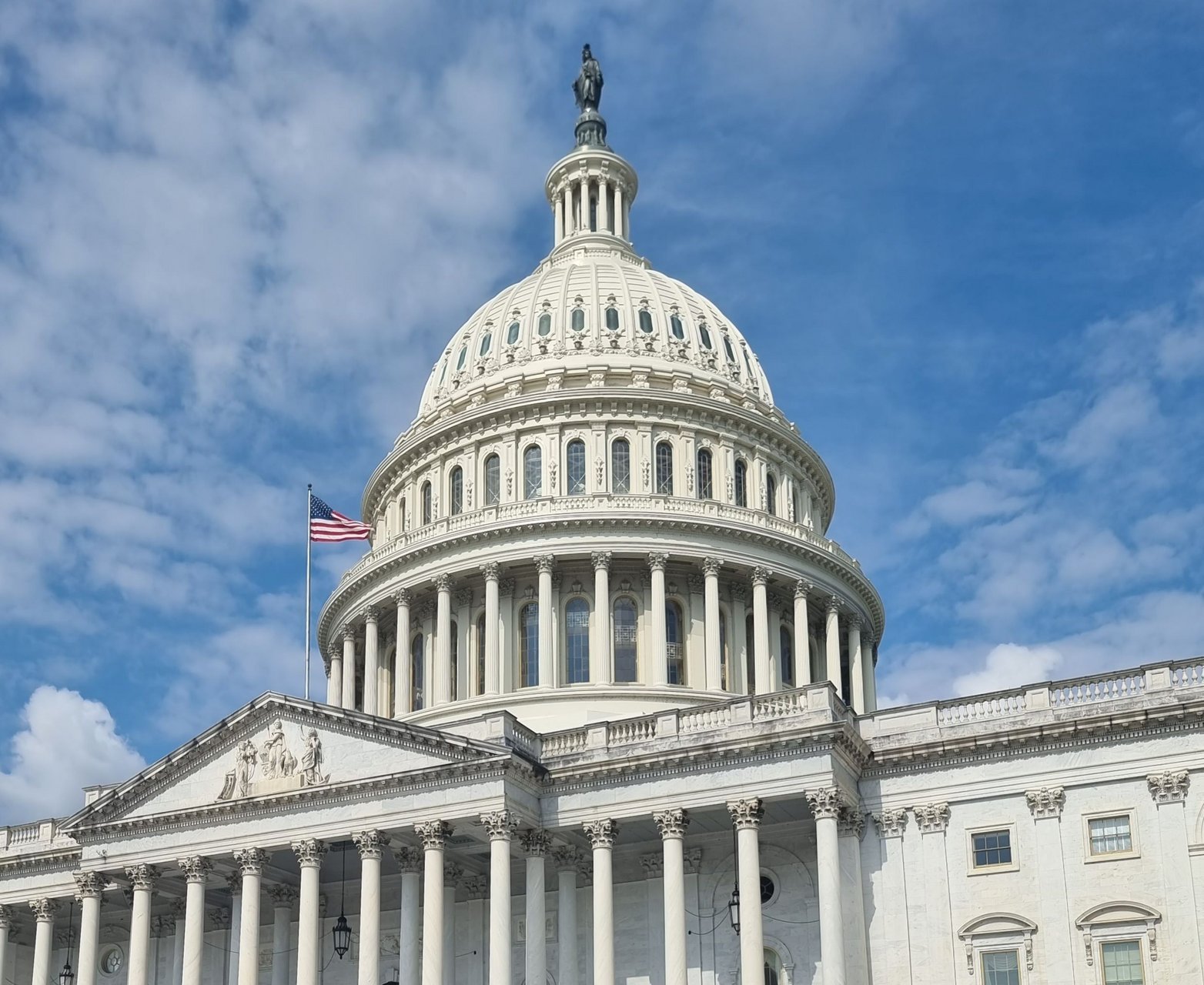
The United States Congress has taken a decisive step in its foreign policy with the recent passage of a sweeping sanctions bill aimed at Russia. The legislation, driven by a Republican majority in the House of Representatives, was approved by a vote of 262 to 159. This marks a significant escalation in the United States’ legislative actions against Russia since the return of Donald Trump to the presidency.
The Legislative Journey
This sanctions bill is notable for being the most extensive effort by Congress to impose punitive measures on Moscow in recent years. The legislation reflects growing concerns among U.S. lawmakers regarding Russia’s geopolitical activities and its implications for global stability.
The passage through the House signifies a unified front among Republicans, who have prioritized national security and foreign policy issues, particularly those related to Russia. The approval is a culmination of discussions and negotiations that have taken place over the months, highlighting the urgency lawmakers feel about addressing the perceived threats from Russia.
Impact on India and China
In addition to targeting Russia, the sanctions package includes provisions that significantly impact India and China, imposing a staggering 100% tariff on certain goods and products imported from these countries. This move has raised eyebrows and concerns among international trade experts and policymakers.
The introduction of such high tariffs could strain economic relations between the United States and these two Asian giants, both of whom play crucial roles in the global economy. Analysts fear that this could lead to retaliatory measures from India and China, potentially sparking trade disputes that may have far-reaching consequences.
Why This Matters
The decision to impose these tariffs and sanctions is a reflection of the U.S. government’s strategy to exert pressure on nations deemed as threats to its interests and those of its allies. By targeting Russia, the U.S. aims to curb its aggressive maneuvers on the international stage, while the tariffs on India and China may serve as leverage in broader negotiations.
This legislative action underscores the tension in U.S. foreign policy, particularly as it relates to balancing its economic interests with national security concerns. The implications of this bill extend beyond immediate economic effects, potentially reshaping alliances and trade relationships in the Asia-Pacific region and beyond.
Next Steps and Future Implications
As the bill now awaits the President’s signature, the focus shifts to how these sanctions will be implemented and enforced. The administration will need to navigate complex diplomatic waters as it works to establish guidelines for the sanctions and tariffs.
Moreover, as reactions from India and China unfold, it will be crucial to monitor their responses to these measures. The potential for retaliatory tariffs or other forms of economic pushback could escalate tensions further and complicate U.S. relations with these countries.
In the coming weeks, stakeholders across the political and economic spectrum will be watching closely to see how this sanctions legislation influences both U.S. foreign policy and international trade dynamics.