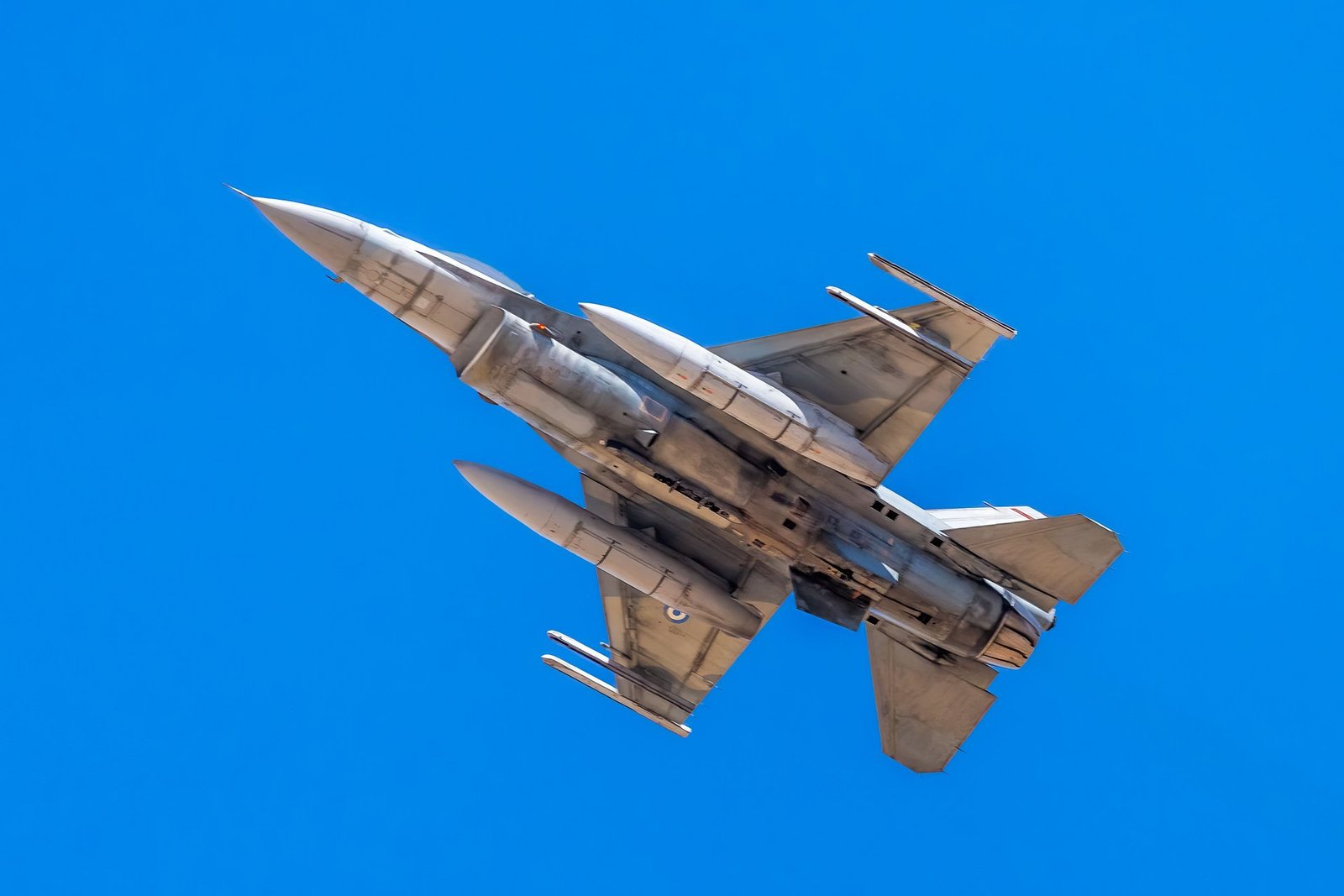
On a routine training mission in Michigan, an F-16 Fighting Falcon operated by the Texas Air National Guard experienced a crash near Traverse City. The incident involved a jet belonging to the 149th Fighter Wing, which took place as part of standard military operations.
The Texas Air National Guard confirmed the event through a statement posted on their official Facebook page. While the exact circumstances leading to the crash are still being investigated, the pilot successfully ejected from the aircraft and is reported to be safe.
Details of the Incident
The crash occurred during a scheduled training exercise, which is a routine part of the Air National Guard’s operations to maintain readiness. Training missions like these are designed to keep pilots skilled and familiar with their aircraft under various conditions.
Details surrounding the crash are still emerging, and an investigation will be conducted to determine the cause of the incident. The safety of military personnel is of utmost priority, and protocols will be followed to assess the situation thoroughly.
Implications of the Crash
F-16s are a significant part of the United States military’s air power, utilized for various missions ranging from air superiority to ground support. The incident raises questions about the safety and operational integrity of military aircraft, especially during training exercises.
Furthermore, this event may prompt discussions regarding the maintenance and operational protocols of the aircraft, as well as the training methods employed by the Texas Air National Guard. Such incidents, although rare, serve as reminders of the risks associated with military flying operations.
What Comes Next?
Following the crash, the Texas Air National Guard will likely conduct a full investigation to gather data and analyze the events leading up to the incident. The findings will be crucial for enhancing safety measures and preventing future occurrences.
The pilot’s safe ejection is a positive outcome, and it reflects the robust training and preparedness of military personnel. In the coming days, more information is expected to emerge, including updates on the investigation and any potential changes in operational protocols that may be recommended.