In a recent statement, U.S. President Donald Trump revealed that he has come to an agreement with Denmark regarding the security of Greenland, asserting that this deal grants the United States “permanent control” over security measures in the region. This arrangement aims to prevent any military bases or significant investments from Russia and China in the Arctic territory.
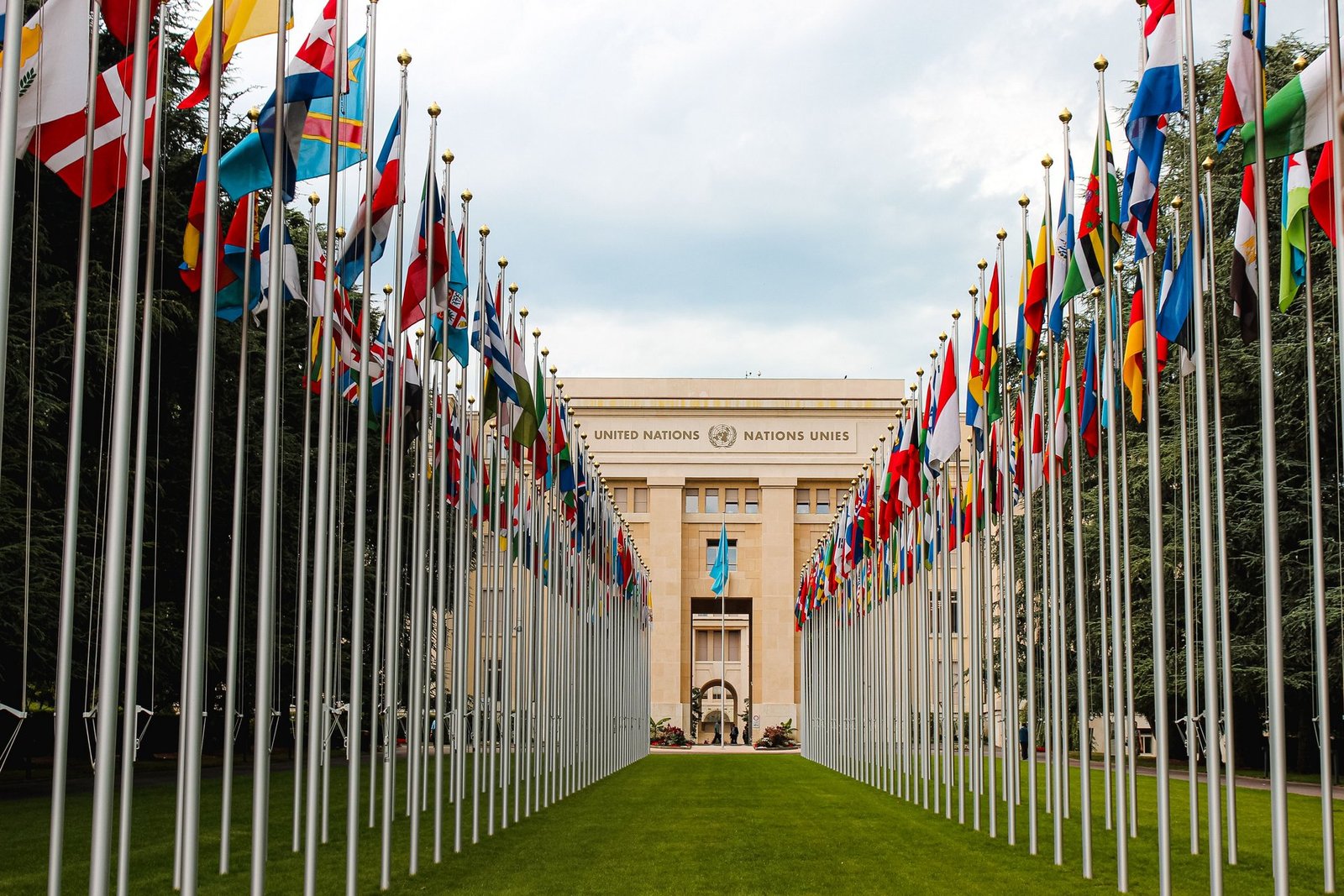
Since returning to office in January 2025, Trump has consistently advocated for American oversight of Greenland, a stance that has raised concerns within NATO and prompted significant pushback from its members, particularly Denmark. Both Denmark and Greenland, which operates as an autonomous territory under Danish governance, have expressed their approval of the agreement and are set to formalize it during the upcoming UN General Assembly in New York.
Nevertheless, the specifics of the agreement remain somewhat ambiguous, with Denmark asserting that its sovereignty is preserved. Danish Prime Minister Mette Frederiksen emphasized this point, stating that the deal acknowledges the sovereignty of Denmark and the self-determination rights of Greenland’s inhabitants.
Details of the Agreement
Trump communicated the news through his platform, Truth Social, indicating that the U.S. will now have authoritative control over security and other essential needs in Greenland. He proclaimed, “No U.S. adversary can EVER have a base in Greenland, have a military presence in Greenland, or make sensitive investments in Greenland, without our express written approval.” Furthermore, he referred to the agreement as an “Infinite Life Agreement,” suggesting it has no expiration.
He also mentioned plans to enhance the military presence in Greenland immediately. The U.S. has expressed concerns about both Russia and China attempting to establish a strategic foothold in Greenland, especially in light of the changing dynamics of the Arctic region as temperatures rise.
International Reactions
A representative from the State Department confirmed the commitment to prevent any Russian or Chinese military presence in Greenland, stating, “This agreement guarantees that China and Russia cannot have a base in Greenland, they cannot send troops to Greenland, and the necessary mechanisms are in place to prevent investment in sensitive sectors.” This underscores the U.S. stance on maintaining dominance in the Arctic as global competition intensifies.
Earlier this year at the Davos economic forum, Trump reportedly reached an agreement with NATO Secretary General Mark Rutte regarding Greenland, although the details of that arrangement remain unclear. Prime Minister Frederiksen expressed optimism about ongoing discussions, indicating that positive outcomes for Greenland, Denmark, and the U.S. were on the horizon, benefiting NATO and Europe overall.
Greenland’s Prime Minister, Jens-Frederik Nielsen, noted that the partnership with the United States enhances the territory’s security. Despite the lack of detailed information about how the agreement would be implemented, reports suggest that the U.S. intends to establish three new military bases in southern Greenland, supplementing the existing Pituffik base in the north.
Implications for NATO Relations
A 1951 defense pact, which was revised in 2004, already permits the U.S. to increase troop levels and military infrastructure in Greenland, provided they notify Denmark and Greenland beforehand. At one point during rising tensions, Trump did not dismiss the possibility of using force to claim Greenland, which caused concern within the EU and NATO. However, relations appear to have stabilized since then, with NATO launching a new initiative aimed at bolstering security in the Arctic, possibly as a conciliatory gesture towards Trump.