As Punjab gears up for its 2027 elections, the issue of stubble burning remains a contentious topic that intertwines environmental concerns with political maneuvering. With the elections on the horizon, one can observe a pattern of behavior from both farmers and the state administration that may shape the region’s approach to agricultural practices.
Current Situation of Stubble Burning
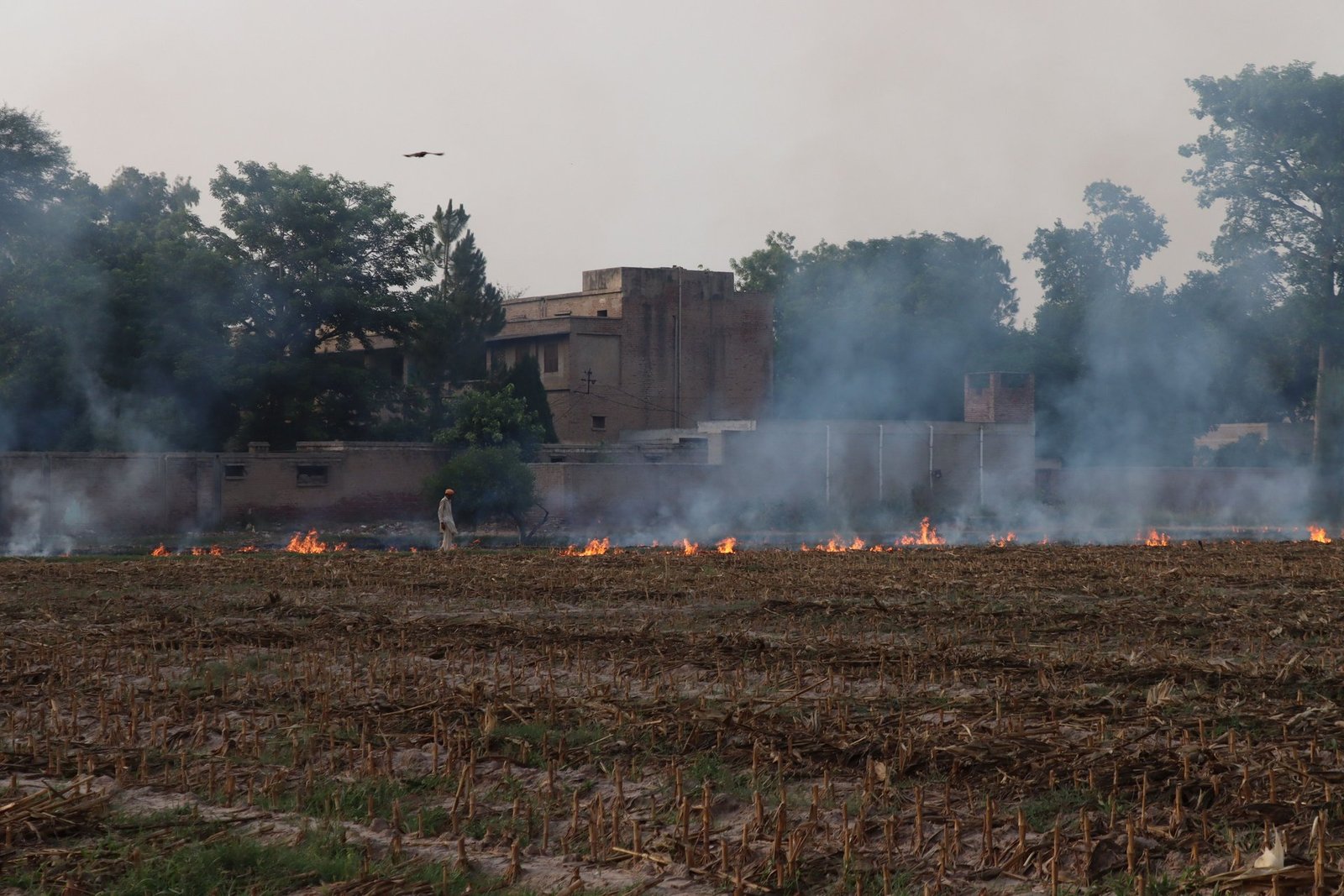
Stubble burning, a common practice among farmers, has been a persistent cause of air pollution and environmental degradation in Punjab. This year, however, it appears that the government may adopt a more lenient attitude towards this practice. With the impending election, there are indications that the administration might refrain from imposing penalties on farmers who continue to burn stubble in their fields.
This tactic seems to reflect a political strategy aimed at garnering support from the farming community, as the state recognizes the significant influence of agrarian votes in the electoral process. By avoiding confrontational measures, the government may hope to maintain goodwill among voters who are often caught in the dilemma of agricultural productivity versus environmental responsibility.
The Political Landscape Ahead of Elections
The political dynamics in Punjab have often revolved around agricultural issues, with stubble burning being a focal point. The upcoming elections are expected to be no different, as political parties will likely adopt strategies that resonate with the farmers’ interests. This means that while environmental concerns remain pressing, electoral politics might lead to a temporary suspension of stringent regulations aimed at curbing stubble burning.
Farmers, faced with economic pressures and a short agricultural cycle, often resort to burning crop residue as a quick solution to prepare their fields for the next planting season. The government’s potential decision to avoid penalizing them may be seen as a calculated move to secure votes, even if it complicates the broader environmental agenda.
Implications for Environmental Policies
This approach raises significant questions about the future of environmental policies in Punjab. If the administration chooses to overlook stubble burning in an effort to appease voters, it risks undermining long-term sustainability efforts aimed at addressing air quality and ecological health. The precedent set during this election cycle could influence future governance and the prioritization of environmental issues.
As Punjab battles with the dual challenge of maintaining agricultural productivity while addressing environmental concerns, the upcoming elections could serve as a pivotal moment. Stakeholders, including environmental activists and community leaders, may need to engage with the government to seek a balanced approach that respects farmers’ needs while also prioritizing ecological well-being.
Looking Ahead
As the 2027 elections draw nearer, the interplay between farming practices and political strategies will become increasingly pronounced. The administration’s stance on stubble burning could set a precedent for how agricultural policies are framed in the future. It will be crucial for the government to develop sustainable solutions that do not sacrifice environmental health for short-term political gains.
Ultimately, the challenge lies in finding a path that supports farmers while also safeguarding Punjab’s environment for future generations. As the region approaches the elections, the decisions made now will have lasting impacts on both the agricultural landscape and the air quality in Punjab.