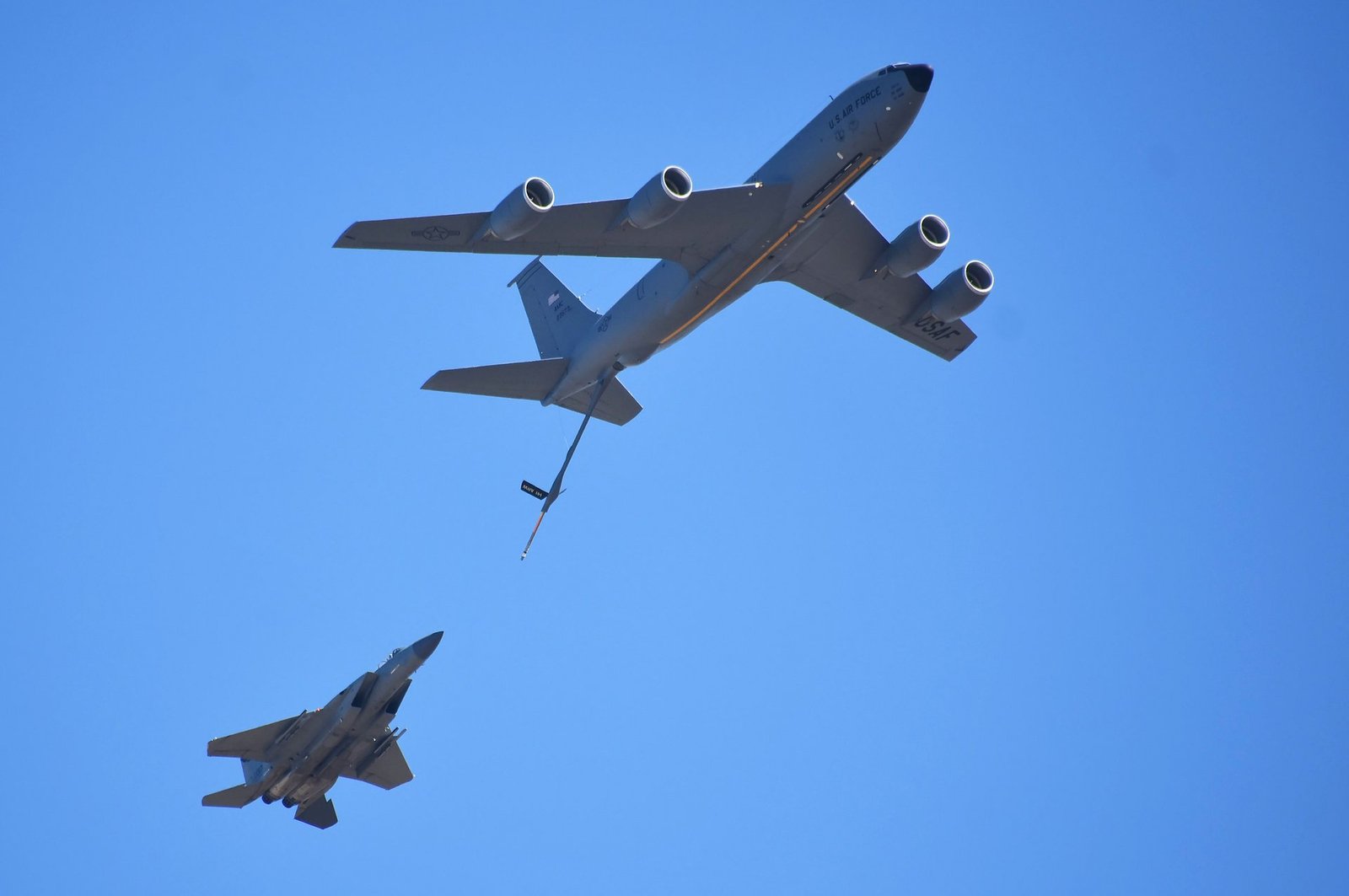
The United Kingdom has confirmed its agreement to provide refuelling support to Saudi Arabia following a formal request from Riyadh. This request comes in the wake of escalated attacks by Houthi forces, who have taken control of significant areas within Yemen. The situation has prompted concerns about regional stability and security, particularly in Saudi Arabia.
Background of the Conflict
The Houthis, a Yemeni political and armed group, have been a central player in the ongoing conflict in Yemen, which has drawn in various international actors. Their recent surge in military actions against Saudi Arabia marks a new phase in the protracted war that was initially ignited by U.S. and Israeli military strikes targeting Iranian interests in late February. This wider conflict has significant implications for the balance of power in the region.
Since the inception of the conflict, Yemen has been devastated, leading to one of the world’s worst humanitarian crises. As the Houthis have gained territory and influence, their attacks have increasingly threatened Saudi borders and its national security.
Saudi Arabia’s Request for Assistance
In response to the heightened threat from the Houthis, Saudi Arabia reached out to its allies for assistance. The UK’s decision to offer refuelling support is part of a broader strategy to bolster Saudi defenses and ensure the kingdom can effectively respond to ongoing attacks. The UK’s involvement reflects its commitment to maintain stability in the Middle East and support its allies against common threats.
This military support underscores the seriousness of the situation, as the Houthis have demonstrated their capability to launch attacks on Saudi territory, potentially escalating the conflict further. The UK’s support is also indicative of its ongoing foreign policy priorities in the region, emphasizing partnerships with Gulf nations.
Implications of the UK’s Involvement
The provision of refuelling assistance by the UK raises several important considerations. Firstly, it highlights the growing international involvement in the Yemeni conflict, as more nations recognize the potential risks posed by the Houthis. Secondly, it may lead to increased tensions with Iran, which has been accused of supporting the Houthis and could interpret this support as a direct threat.
Moreover, the UK’s military support could embolden Saudi Arabia to take more aggressive action against Houthi forces, potentially leading to a further escalation of violence in the region. The international community remains watchful of these developments, understanding that any significant changes in military dynamics could have far-reaching consequences for regional stability.
Looking Ahead
As the situation evolves, it is crucial for all parties involved to consider diplomatic avenues alongside military support. While the UK’s assistance to Saudi Arabia may provide immediate relief against Houthi attacks, a long-term resolution to the conflict in Yemen will require negotiation and engagement from all stakeholders, including the Houthis and their backers.
The coming weeks will be critical in determining the trajectory of both the Yemeni conflict and regional relations, particularly as international actors continue to assess their roles and responses in this complex landscape.