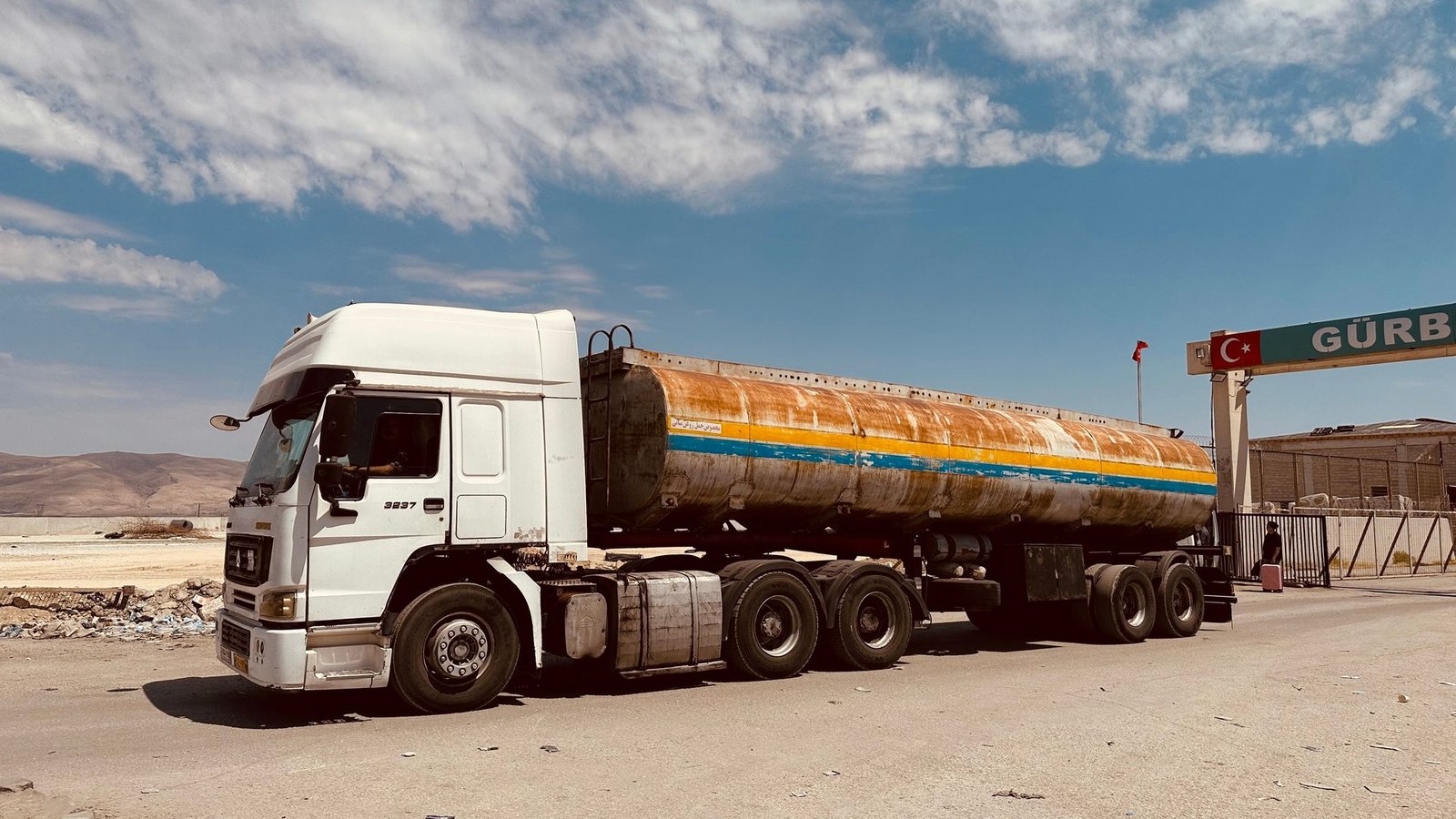
In a significant escalation of tensions affecting the Iran-Turkey border, hundreds of trucks have been barricaded, severely disrupting trade in the region. This blockade has been attributed to a series of measures imposed by the United States, which have aimed at limiting Iran’s economic capabilities.
The blockade has created a ripple effect, impacting not only the flow of goods but also the financial stability of Iran, which relies heavily on oil and gas exports to sustain its economy. The blockade serves to restrict the majority of imports into Iran, creating significant challenges for businesses and the general populace. This situation has prompted Iranian officials to call for urgent action to resume normal trade operations.
Official Response from Iran
In light of these pressing concerns, Iranian President Masoud Pezeshkian has taken a firm stance. He has emphasized the need to expedite overland trade routes to mitigate the adverse effects of the blockade. His administration is aware that without a swift response, the economic repercussions could deepen, exacerbating the hardships faced by Iranian citizens.
Pezeshkian’s remarks highlight a broader strategy aimed at bolstering Iran’s trade links with neighboring countries, particularly in the face of increasing sanctions and restrictions. By focusing on overland routes, Iran seeks to find alternative pathways to facilitate trade, ensuring that essential goods can still enter the country despite the blockade.
The Importance of Overland Trade
Overland trade is crucial for Iran, especially as it navigates through a landscape marked by economic sanctions. The current situation at the Turkey-Iran border illustrates the fragility of international trade routes that are vital for economic sustenance. The blockage not only restricts imports but also affects the export of Iranian oil and gas, which are key revenue sources.
The Iranian economy has been under considerable strain due to ongoing sanctions, making the need for resilient trade routes ever more critical. The loss of access to essential goods and the implications for energy exports can lead to further economic destabilization, which the Iranian government is keen to avoid.
Future Implications and Next Steps
As the situation continues to unfold, the Iranian government is likely to explore various diplomatic avenues to ease the blockade. This may include negotiations with Turkey and other regional partners to find a resolution that allows for the resumption of trade.
Meanwhile, the international community will be closely monitoring developments at the border, as the implications of this blockade extend beyond immediate economic concerns. The situation serves as a reminder of the interconnectedness of global trade and the potential ripple effects that arise from geopolitical tensions.
In conclusion, the blockade of trucks at the Turkey-Iran border stands as a significant barrier to trade, impacting the Iranian economy and highlighting the challenges posed by international sanctions. The call for accelerated overland trade by President Pezeshkian reflects a proactive approach to counter the effects of the blockade, underscoring the urgency of finding viable trade solutions.