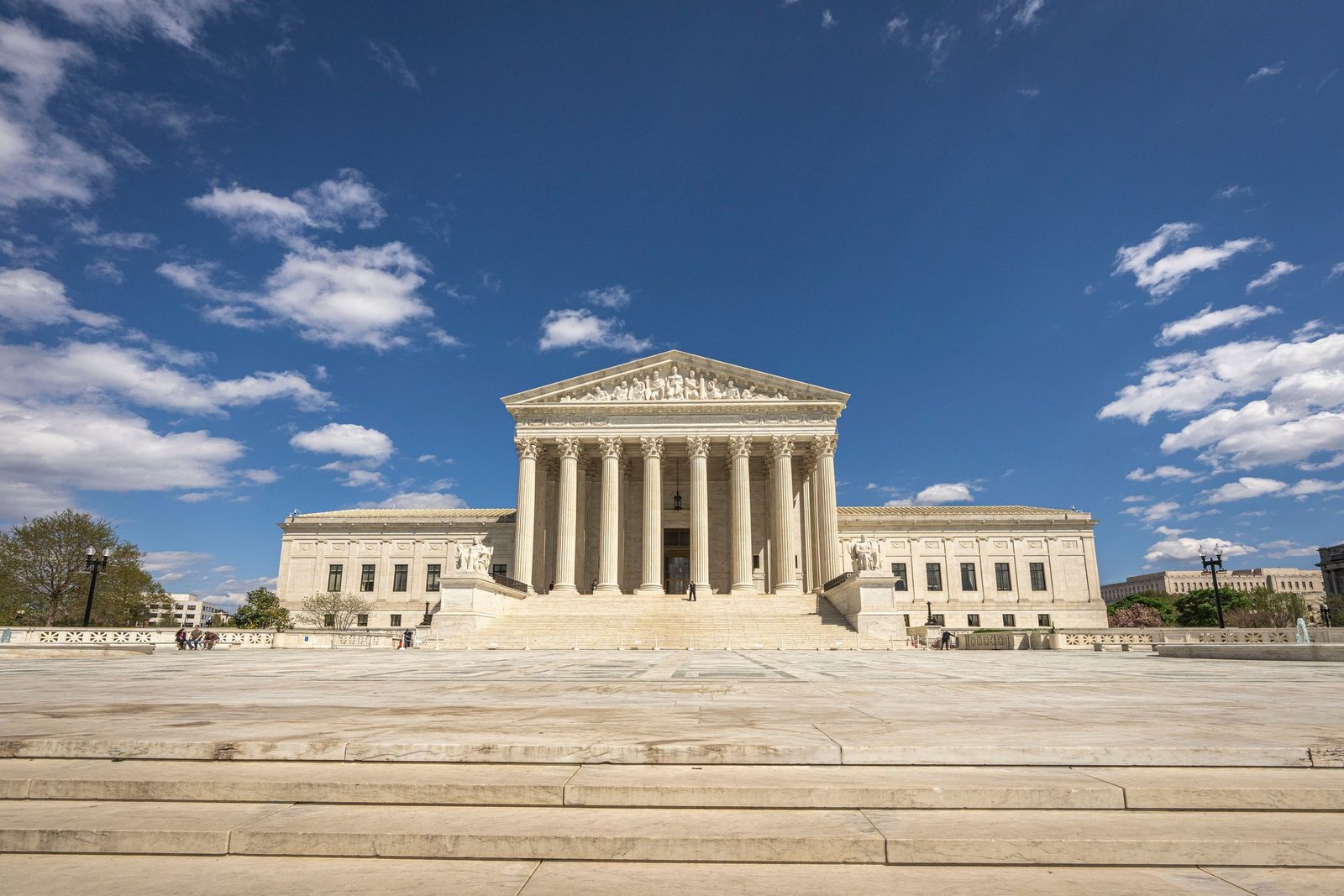
The United States Supreme Court has made a significant ruling regarding the deportation policies implemented during the Trump administration. This decision allows the continuation of deportations to third countries, a controversial approach that has seen thousands of individuals sent to nations beyond their original homeland.
Under a framework of often undisclosed agreements, the Trump administration has facilitated the deportation of approximately 25,000 individuals to over two dozen countries. Among those nations are Liberia and Guyana, countries that have received a sizeable number of deportees. However, the majority of those affected have been sent to Mexico, which has become a primary destination in this deportation strategy.
Background on Deportation Practices
The practice of deporting individuals to third countries has raised numerous legal and ethical questions. Critics argue that such policies undermine the rights of individuals seeking asylum and create a precarious situation for those deported to countries where they may face further danger or discrimination.
This ruling comes amid ongoing debates about immigration and border security in the U.S. The Trump administration’s aggressive stance on immigration was a hallmark of his presidency, often characterized by strict measures aimed at reducing the number of undocumented immigrants in the country.
Implications of the Supreme Court’s Ruling
The Supreme Court’s decision to uphold these deportation practices is likely to have far-reaching implications for U.S. immigration policy. It signals a continuation of the administration’s approach to handling undocumented immigrants, particularly those who arrive at the southern border seeking refuge.
With the court’s backing, the administration may feel empowered to further expand its deportation efforts, potentially increasing the number of individuals sent to these third countries. The ruling also sets a precedent that could impact future legal challenges against such practices, making it more difficult for opponents to contest the legality of these deportations.
Next Steps in Immigration Policy
As the political landscape continues to evolve, the ramifications of this ruling will undoubtedly be monitored closely by both advocates and critics of immigration reform. Supporters of the Trump administration’s policies may see this as a victory for border security, while opponents will likely intensify their calls for more humane treatment of immigrants and a reevaluation of current deportation policies.
The future of U.S. immigration policy remains uncertain as various stakeholders, including lawmakers, advocacy groups, and the public, grapple with the implications of this ruling. It may prompt further discussions on how best to balance national security interests with the rights and needs of individuals fleeing conflict and persecution.