
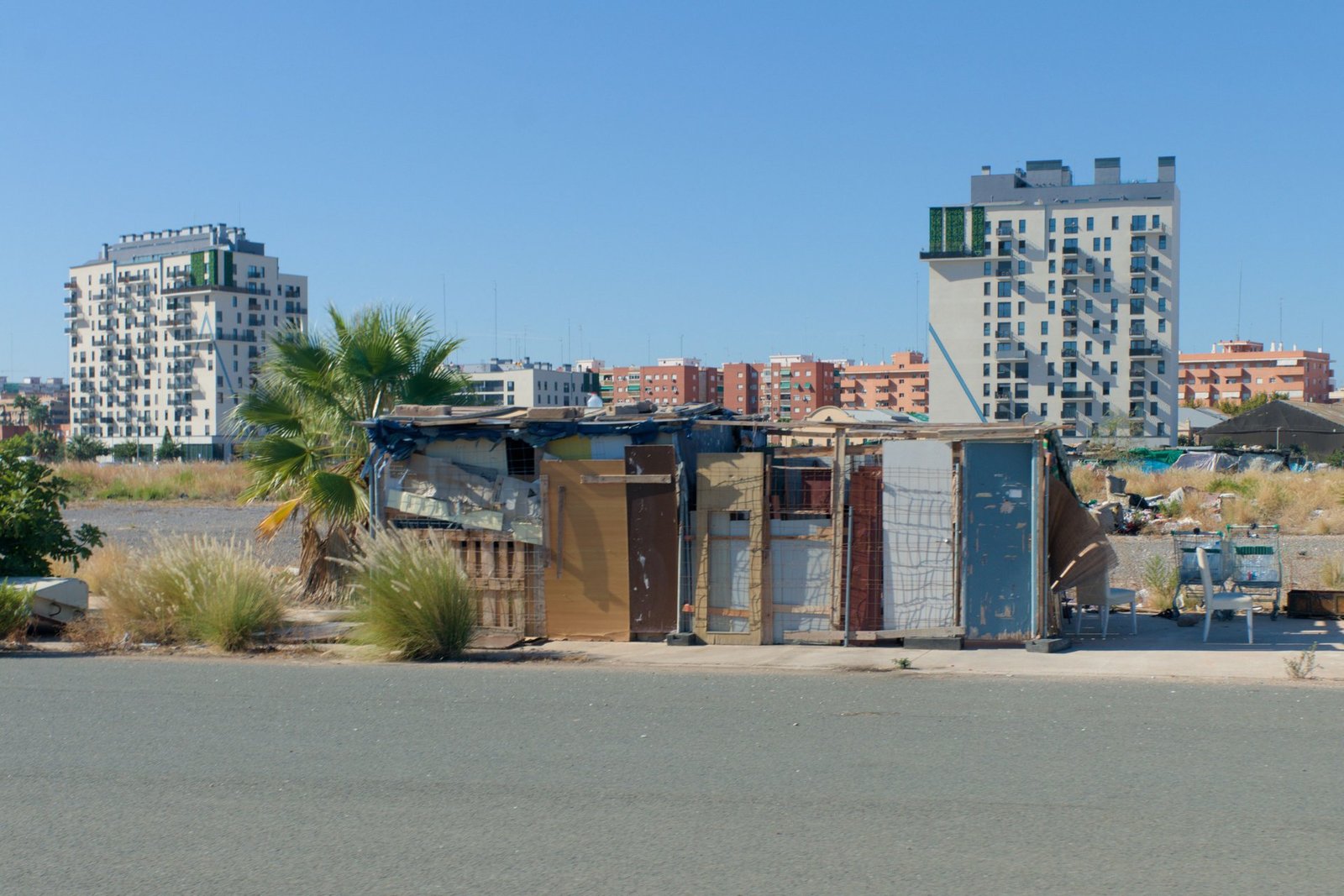
Recent protests in Spain, ignited by the eviction of an elderly woman from her Madrid home, have prompted the Spanish government to introduce significant housing reforms. The eviction of 87-year-old Maricarmen Abascal last week drew widespread attention and criticism, leading to these urgent measures.
Government’s Response to Housing Crisis
In a decisive move, Spain’s coalition government has put forward two decrees aimed at addressing the housing crisis. These include a temporary ban on evictions until 2030, which is expected to impact over five million residents. Health Minister Mónica García highlighted that the measures are designed to curb the speculative practices in the housing market.
Despite these efforts, the proposals face criticism from opposition parties. Míriam Nogueras of the Junts party expressed concerns that small landlords are being unfairly impacted by the new regulations. The decrees need parliamentary approval within 30 days, with the government eager to secure a vote by Friday, though past attempts to pass similar measures have been met with resistance.
Proposals and Challenges
Alongside the eviction ban, the government plans to extend rental contracts until 2028 and impose stricter controls on short-term rentals and housing purchases by investment firms. These steps aim to balance the interests of ordinary citizens against those of large investment entities, often referred to as “vulture funds.”
Minister García acknowledged the role of recent protests in pushing these reforms forward, thanking activists for their mobilization efforts. However, challenges remain as the government does not hold a parliamentary majority, and right-leaning parties have historically opposed such interventions in the housing market.
Public Reaction and Broader Implications
The eviction of Maricarmen Abascal, who has lived in her Madrid flat since 1956, became a focal point in the broader conversation about housing rights. Her case was further complicated when the investment firm that owned her property raised the rent beyond her means, leading to her forced removal.
Public demonstrations have since spread beyond Madrid, with thousands of people marching in cities like Barcelona and Seville, demanding better tenant protections amid rising housing costs. The Bank of Spain has reported a shortfall of 700,000 homes, contributing to increased property prices and rental costs.
The government’s current measures, though ambitious, will require broad political support and continued public advocacy to have a lasting impact on Spain’s housing policy.