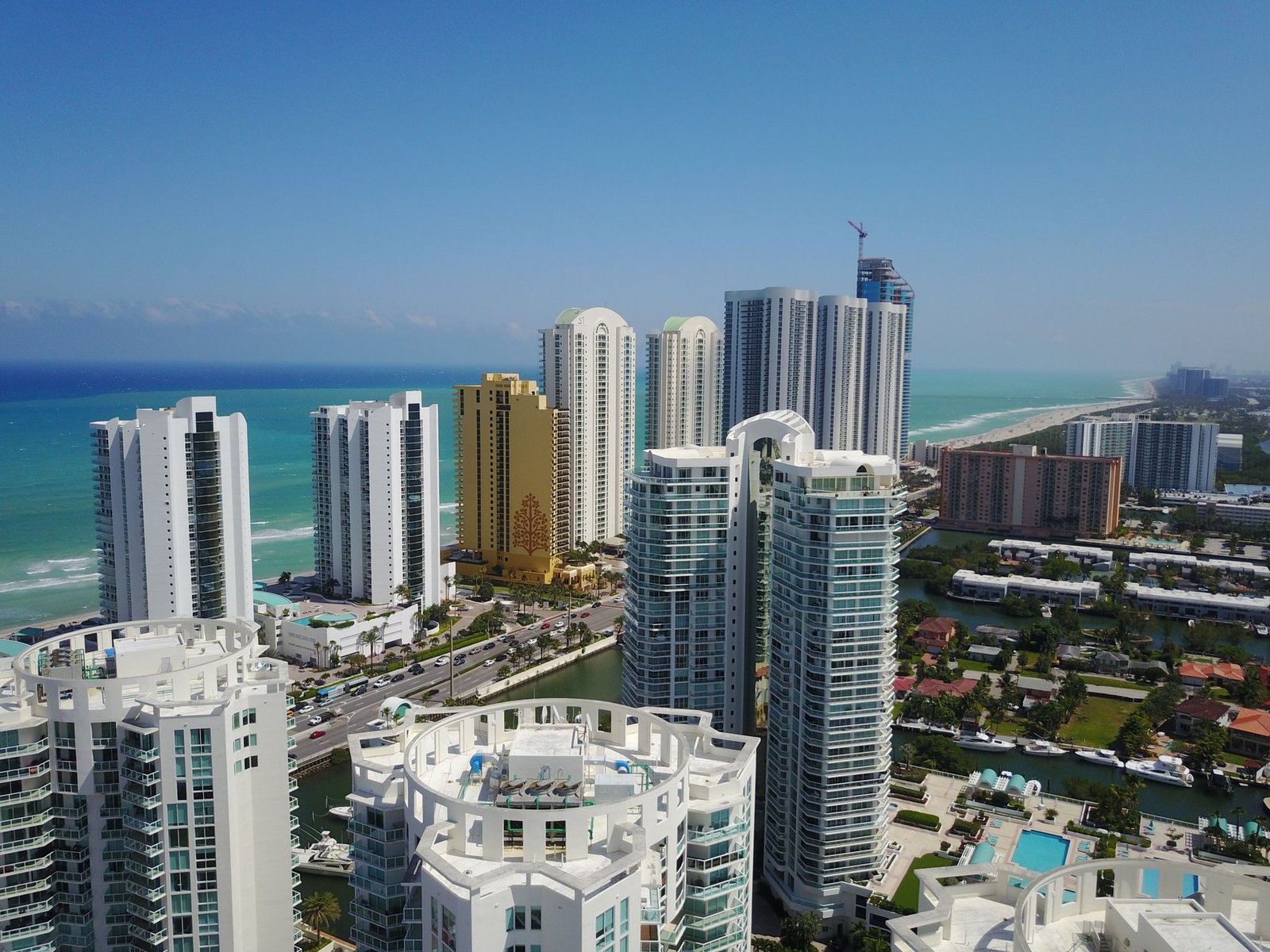
The absence of Atlantic hurricanes this September is notable, marking the first time in over three decades such a phenomenon has occurred during the peak of hurricane season. With only two months remaining in the 2026 hurricane season, there is a growing chance that no hurricanes might develop at all. This would make it the first time in the satellite era that the Atlantic has seen no hurricanes.
El Niño’s Role in Suppressing Atlantic Activity
El Niño is a significant factor contributing to the quiet Atlantic hurricane season. This climatic event typically suppresses hurricane activity in the Atlantic while triggering a more active hurricane season in the eastern North Pacific. Forecasts had already predicted a subdued Atlantic season this year due to a strong El Niño.
In May, the US National Hurricane Center anticipated between eight to fourteen named storms, with three to six potentially becoming hurricanes. Of these, one to three were expected to evolve into major hurricanes. Despite these predictions, September has passed without a hurricane forming in the North Atlantic, which is unprecedented since satellite monitoring began in the 1960s.
Current State of Tropical Storm Activity
During September, four tropical storms were named: Edouard, Fay, Gonzalo, and Hanna. However, none developed into hurricanes, and except for Edouard, they remained over open waters. The National Hurricane Center reports no signs of imminent tropical storm or hurricane development.
Colorado State University forecasters also suggest that the persistent strong El Niño will continue to influence wind patterns, leading to below-normal activity in the Atlantic for the next couple of weeks. As the hurricane season’s peak has passed, the likelihood of a hurricane-free season has increased.
Historical Context and Global Implications
Historically, the Atlantic has not recorded a year without a hurricane since 1914, but this was before satellite technology allowed for comprehensive monitoring, leaving some uncertainty about past records.
El Niño, characterized by the warming of the tropical Pacific, can alter global weather patterns. In the Atlantic, it increases upper wind speeds, causing more wind shear, which disrupts the formation of tropical storms and hurricanes. In contrast, the Pacific sees heightened activity due to warmer waters and favorable wind conditions, providing storms with more energy to develop.
This year, the central-eastern Pacific has experienced record-breaking sea surface temperatures, surpassing levels recorded during the strong El Niño of 2015. Consequently, the Pacific has seen 17 named storms, including nine hurricanes, seven of which reached major hurricane status. The accumulated cyclone energy in the Pacific is currently about two and a half times above average for this point in the season.
El Niño is expected to continue intensifying, with forecasts indicating it will peak in November or December.