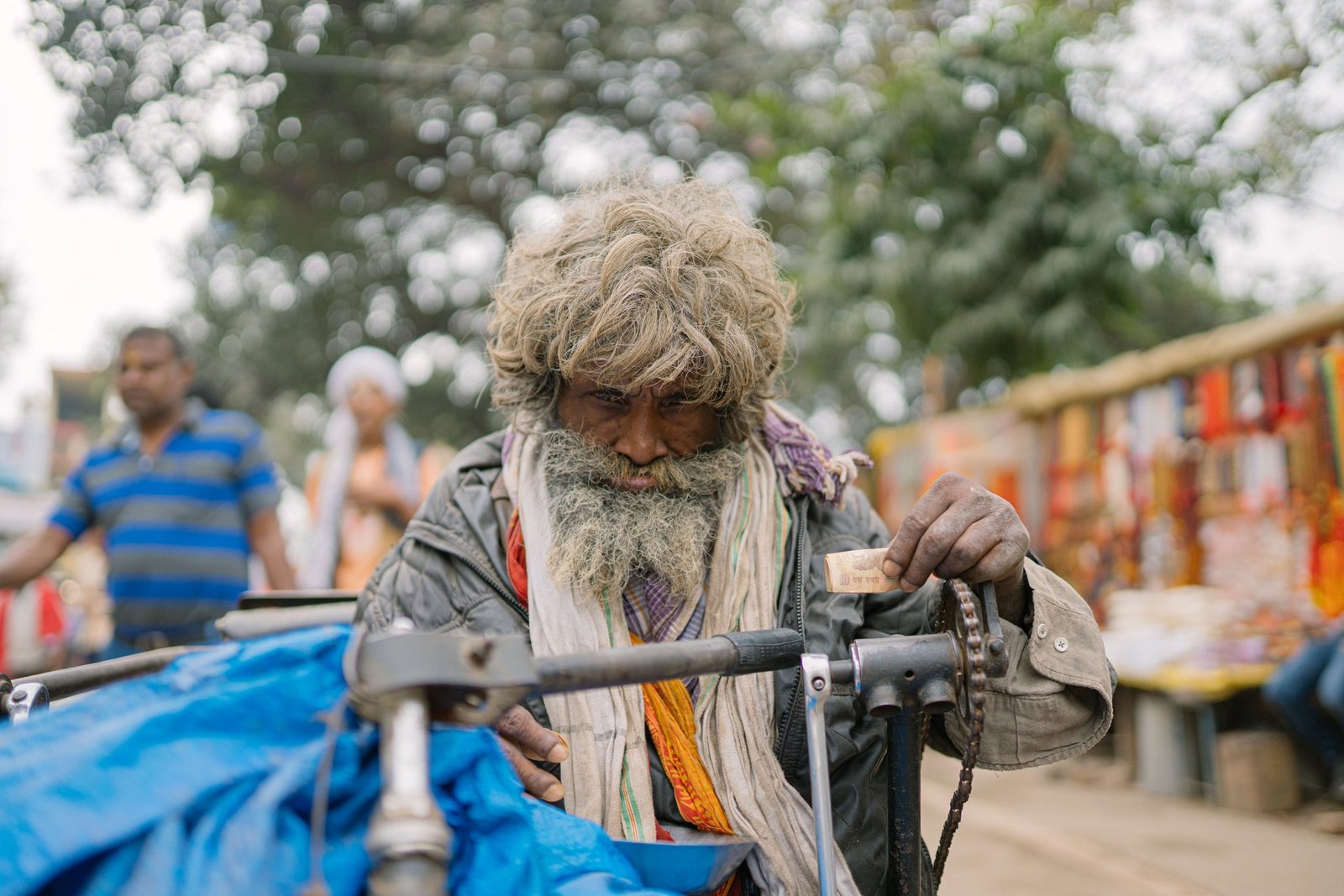
In a small, crowded home in Delhi, Ishamuddin Khan, a 55-year-old magician, reminisces about the days when he could make a rope rise into the air, a feat that once captivated audiences worldwide. Despite his international acclaim, Khan now spends more time reflecting on these memories than performing. “Street magic is fading away,” he laments, likening it to a patient on life support.
The Decline of Traditional Street Performers
Khan’s story is emblematic of a broader trend in India, where traditional street performers, including magicians, jugglers, puppeteers, and acrobats, are finding it increasingly challenging to sustain themselves. These artists once thrived in public spaces, drawing crowds and earning a living. However, shifting entertainment preferences and stricter public space regulations have made it difficult for them to find audiences, forcing many to abandon their craft.
Originating from the Madari community, which has a rich history of public performances, Khan is one of India’s most renowned magicians. Although there are no official statistics, Khan estimates that around 400 Madari families reside in Delhi, with many others scattered across Uttar Pradesh, Rajasthan, and Telangana. Despite their dwindling numbers, the Madaris have a legacy that spans centuries, deeply rooted in Indian folklore and the history of traveling performers.
The Legacy of the Rope Trick
Learning from his father and uncles, Khan was performing magic by the age of 12. By his twenties, he had perfected the legendary rope trick, where a rope appears to rise magically, allowing a boy to climb it. This trick, long considered mythical, brought him fame when he first performed it publicly in 1995 outside Delhi’s Qutub Minar. The performance led to international tours, including in the UK, France, Germany, and Japan, and temporarily spotlighted India’s traditional performers.
However, the spotlight eventually dimmed as new entertainment forms emerged and opportunities for public performances dwindled. Many magicians, like 40-year-old Imam Khan, have since moved on to other means of livelihood, such as collecting recyclables on Delhi’s streets.
Challenges of Performing in Public Spaces
Several factors contribute to the decline of street performances, with the evolving nature of public spaces being a significant one. Anurupa Roy, founder of Katkatha Puppet Arts Trust, notes that shrinking public spaces and restricted access to parks and residential areas limit performance opportunities. Komita Dhanda, a researcher and performer, adds that increased security in urban centers leaves little room for street artists.
Performers also face bureaucratic challenges, as India lacks a federal framework for street performances, unlike the UK. Instead, artists must navigate a labyrinth of state-specific regulations concerning public order, noise, and land use, often complicating their efforts to perform.
Impact of the Pandemic and Digital Entertainment
The Covid-19 pandemic exacerbated these difficulties, halting public performances in 2020 and prompting many magicians to return to their villages, with some never coming back. Those who resumed performing, like Shahim Khan, now find themselves in less lucrative industrial areas, earning significantly less than before.
The rise of digital entertainment and changing tastes have further strained traditional street arts. Decades ago, there was significant Western interest in acts like the rope trick, but today, tastes have shifted, and such performances are less prominent.
A Tradition at Risk
For Ishamuddin Khan, the fading of street magic represents more than a loss of income; it’s the potential disappearance of a cherished art form. He fears that if these tricks aren’t passed down, they will vanish. His son, Altamash, once performed alongside him but now decorates parties, having largely left magic behind. Without regular practice, Altamash’s skills have dulled, and he struggles to maintain the rhythm of his juggling.
Altamash had hoped to follow in his father’s footsteps, but the reality of dwindling opportunities has led him to pursue other paths. “I didn’t expect to achieve my father’s level of fame,” he admits, “but I never thought performing would become impossible.”