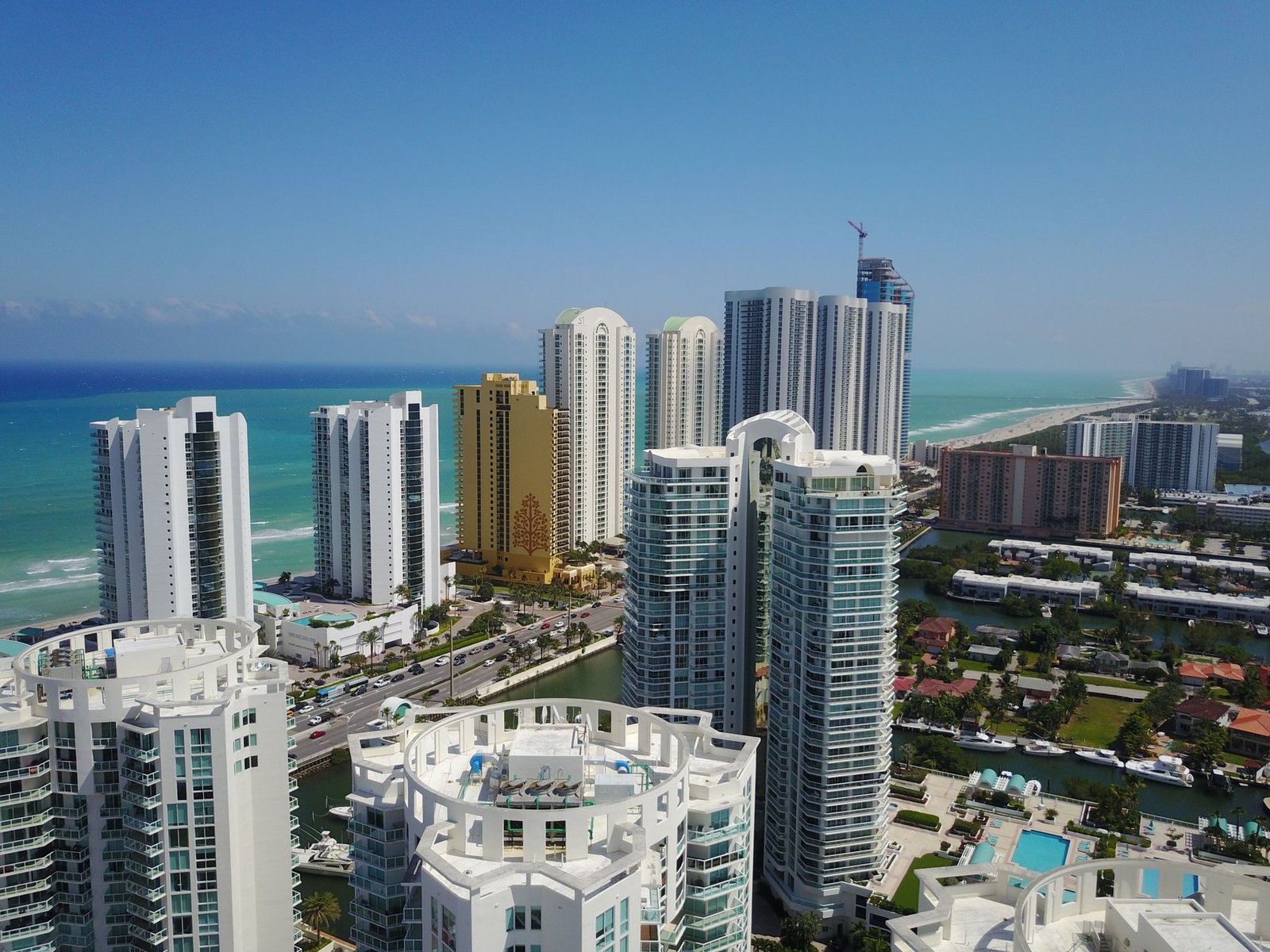
In the opulent residence of a leading Miami plastic surgeon, overlooking Biscayne Bay, affluent Cuban-American families have converged. The occasion is the fourth gathering of the Cuban-American National Chamber of Commerce (CANCC), where discussions about Cuba’s future are underway. This group, characterized by its old-money roots and familiar Cuban-American names like Bacardi and Babun, mingles by the pool, exchanging insights on Cuba’s troubled economy and the latest political developments.
Planning for a New Cuba
Juan Omar Sixto, president of CANCC, describes the evening’s goal: to unite Miami-Dade County’s most influential Cuban-American entrepreneurs. Their aim is to be poised for action in Cuba once the current regime collapses. Sixto, a real estate developer who fled Cuba as a teenager, is now in his early 80s and is leading efforts to prepare plans for “the day after” in Cuba. His organization has outlined proposals for a Cuban Stock Exchange and established committees focusing on areas like energy and food security.
Miami has a long history of post-Communist planning efforts, but Sixto highlights a new momentum fueled by the Trump administration’s determination to enforce change on the island. He claims to have the support of high-profile contacts, including those close to Secretary of State Marco Rubio. Sixto envisions a future where, alongside humanitarian aid, business ventures in Cuba would commence swiftly.
Challenges and Skepticism
In Cuba, these plans are met with skepticism. Despite the U.S. administration’s “maximum pressure” campaign, the Cuban leadership has announced 176 economic liberalization measures. President Miguel Díaz-Canel describes these as efforts to bolster socialism and enhance social justice, although critics argue they resemble capitalist reforms.
Attendees at the CANCC meeting dismiss these changes as superficial, offering no real incentives for investors. As long as the current regime remains, Sixto and his associates are unwilling to invest in Cuba. Analysts warn that while change seems imminent to Cuban Americans, the precise nature of that change is uncertain.
Historic Claims and Future Possibilities
Land titles are central to the reconstruction plans of wealthy Cuban Americans. Sixto’s father lost properties and a farm during the revolution, and Sixto seeks compensation for these losses. He argues for moral justice, while the Cuban government views such claims as the grievances of a once-privileged class.
Nicolás Gutiérrez, president of the National Association of Sugar Mill Owners of Cuba, underscores the potential for reclaiming and repurposing lands. Whether through sugar production or renewable energy projects, the goal is to generate economic growth and ensure fair wages for Cuban workers.
Reality on the Ground
Despite the ambitious visions shared in Miami, the situation in Cuba remains dire. The island experiences frequent blackouts and shortages of essential goods. The disconnect between Miami’s aspirations and Cuba’s current hardships is evident.
While the Cuban diaspora’s plans are extensive, the immediate needs of the Cuban people are pressing. The cost of revitalizing the electrical grid alone is estimated at billions of dollars. Until significant improvements occur, many Cubans hope for small, tangible changes that will ease their daily struggles.