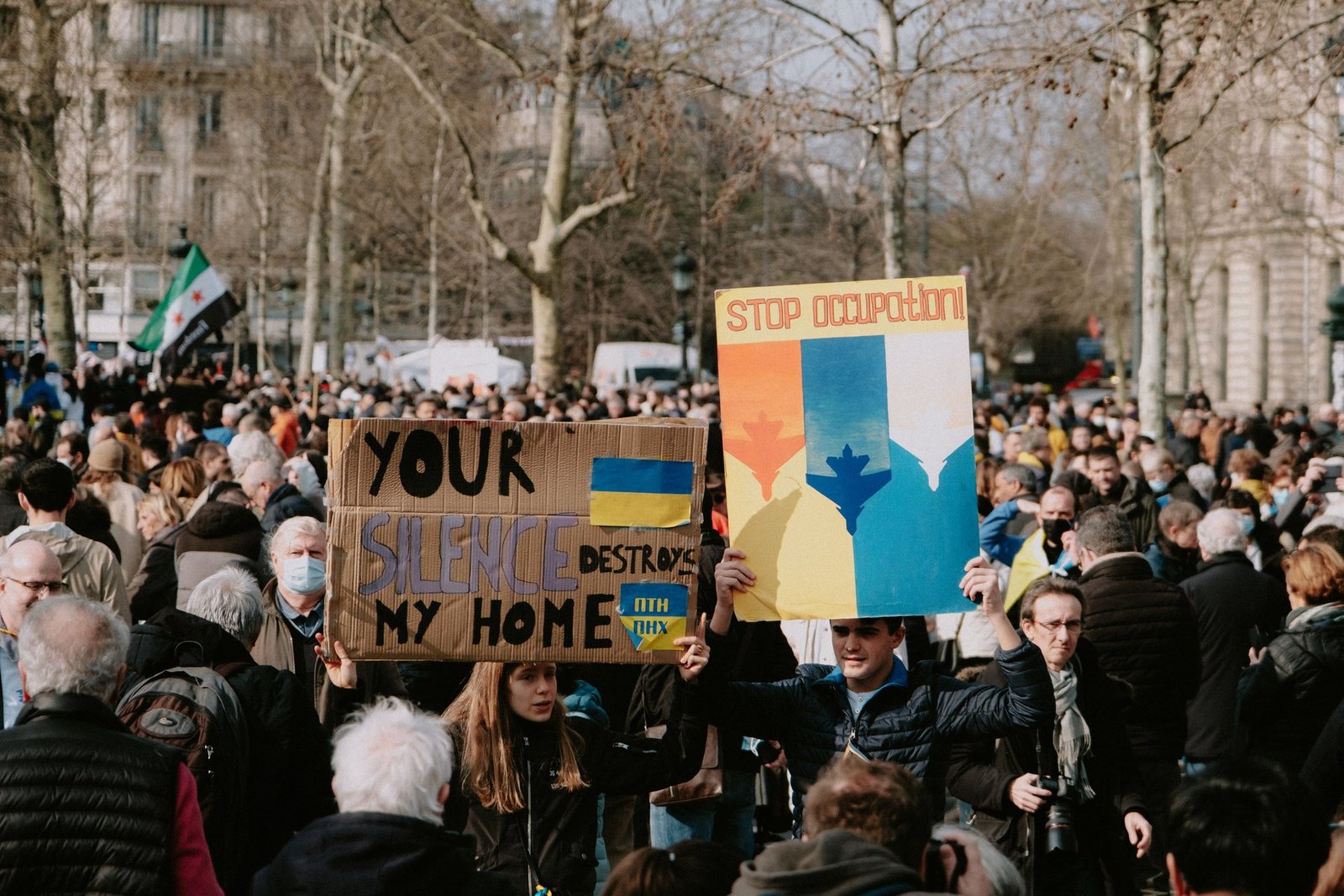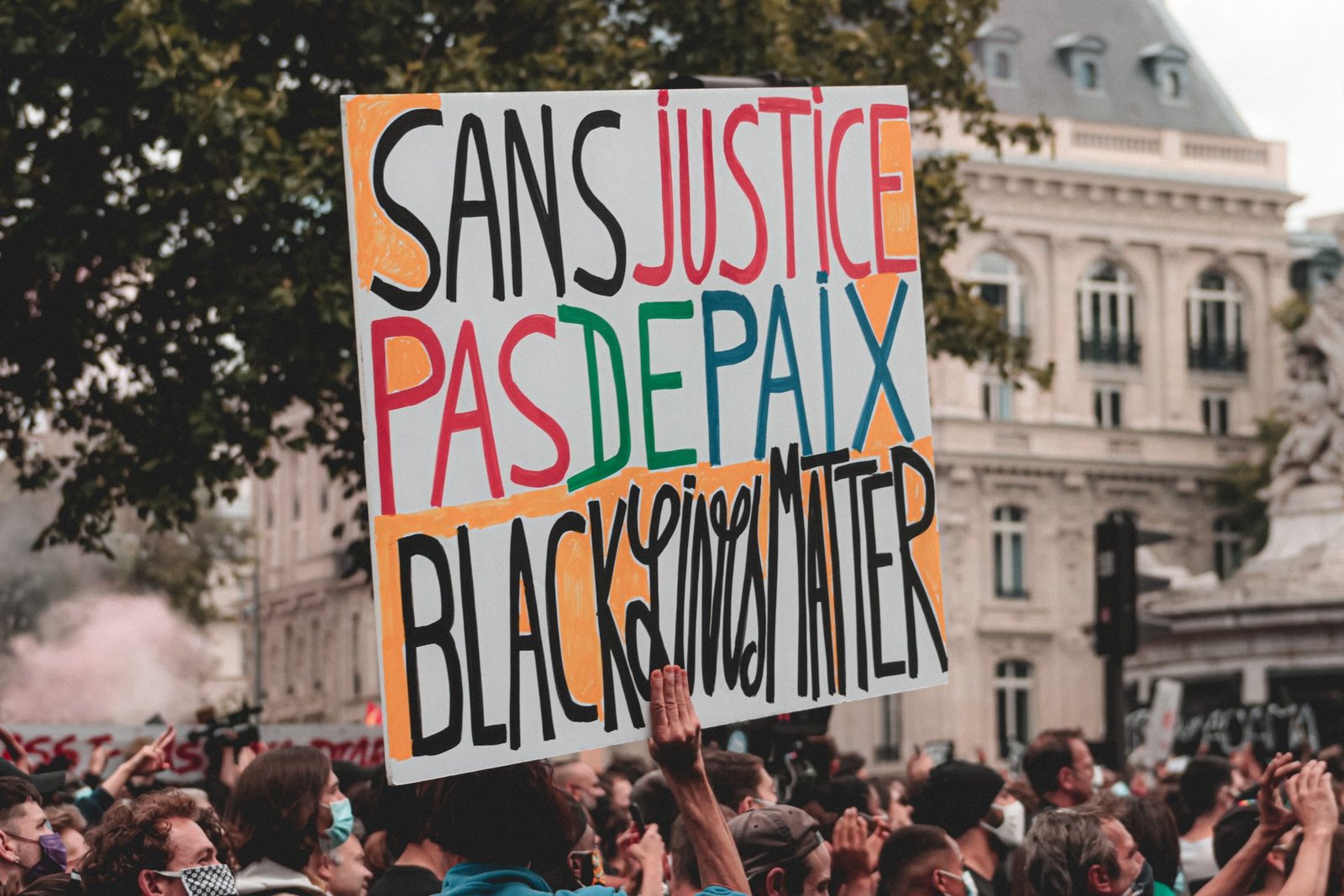
In France, the presence of young people on the streets has historically signaled trouble for the government. This was evident in the student protests of May 1968, famously referred to as “chienlit” by President De Gaulle, symbolizing chaos. These youth movements are typically unpredictable, lacking a clear structure for dialogue, and often garner public sympathy. Moreover, if law enforcement mishandles situations, the repercussions can be severe. With presidential elections looming, the current unrest among French teenagers is causing significant concern for President Emmanuel Macron’s administration.
Protests Sweep Across France
A movement that began in the economically challenged area of Seine-Saint-Denis in northern Paris has rapidly expanded nationwide. By Thursday, hundreds of secondary schools were blockaded, and by Friday, approximately 400 schools remained closed to ensure the safety of staff and students. Universities are now joining the fray, and violent incidents have occurred, including a fire that destroyed the main hall of a school in Nantes. Numerous smaller fires have been reported at school entrances across the country, causing millions in damages.
Education Minister Édouard Geffray reported that 65 educators, including 40 school heads, were injured, largely by individuals who were not their students. Additionally, around 300 police officers and firefighters have sustained injuries, and approximately 2,000 individuals, mostly minors, have been detained. Student groups, however, allege numerous injuries at the hands of police, with two teenagers suffering severe eye injuries and another losing many teeth.
Political Implications and Tensions
The challenge extends beyond addressing the protesters’ demands, which focus on financial issues, the need for more teachers, smaller class sizes, and improved facilities. These concerns resonate with many in France, where demanding government resources through protest is a common practice. However, the current fiscal climate, marked by budget cuts proposed by Prime Minister Sébastien Lecornu, makes it unlikely that these demands will be met.
More concerning is the belief that these protests are being manipulated by the far-left, particularly the France Unbowed party (LFI) and its leader, Jean-Luc Mélenchon. LFI leaders have been visible in support of the students, particularly in areas like Saint-Denis. An internal report leaked from the Paris police department suggests that far-left elements are encouraging the protests to advance their political agenda ahead of the national elections. The report cites the involvement of non-student protesters, vague demands, and the use of radical-left tactics as evidence of this influence.
Political Strategizing and Future Outlook
Despite LFI’s denials of inciting violence, Mélenchon has urged students to avoid actions that could harm their cause. With significant support among young voters, particularly in urban, high-immigration areas, LFI aims to mobilize this demographic by reinforcing their presence and encouraging electoral participation. However, opinion polls suggest that Mélenchon could face a significant defeat in a potential run-off against Marine Le Pen.
The outcome of these protests and their impact on the upcoming elections remain uncertain. If Mélenchon fails to secure victory against Le Pen, France may face a period of instability, echoing the unrest seen in recent student protests.