
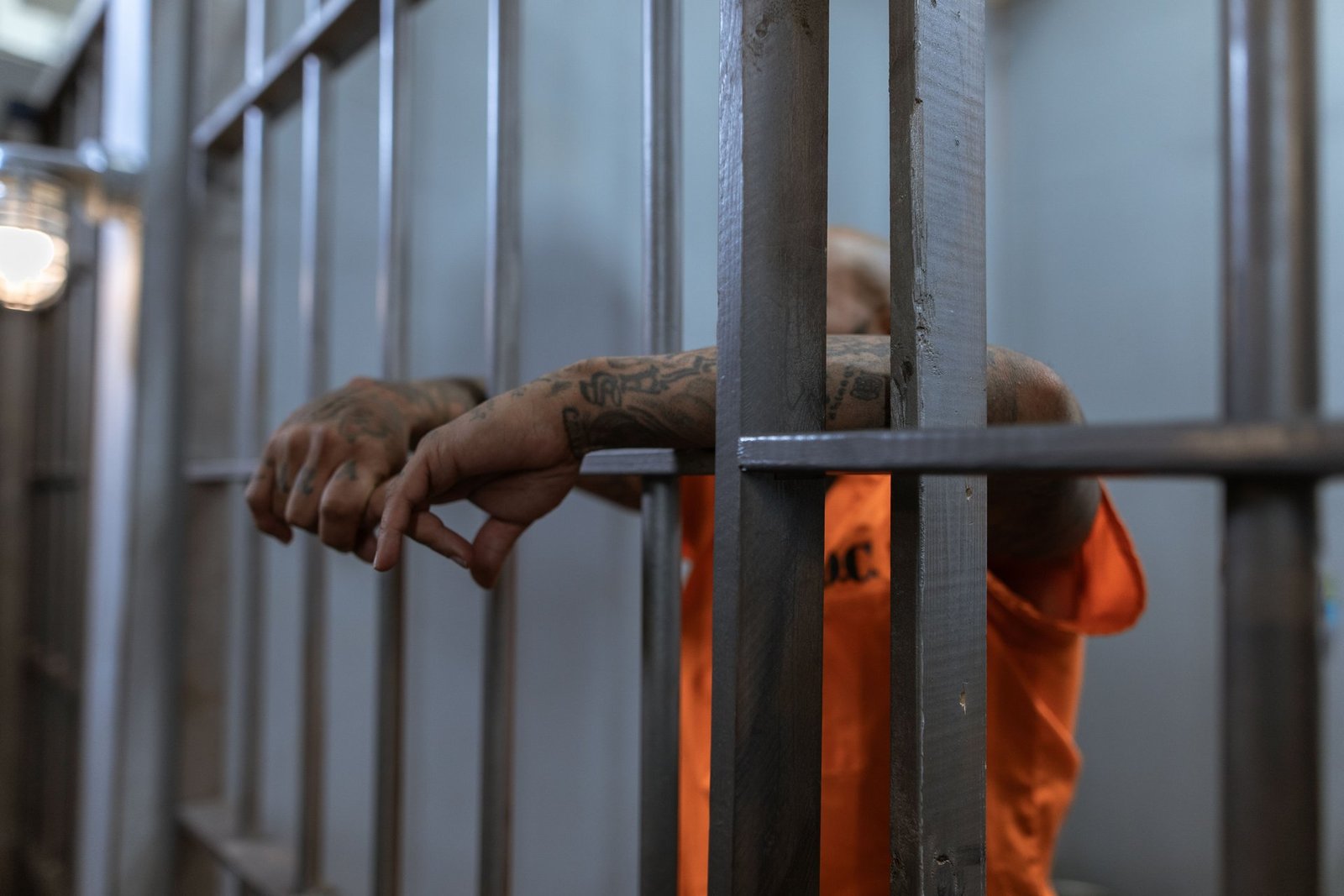
Veteran journalist Michael Graczyk, who has witnessed nearly 500 executions, has encountered a scenario unlike any other in his lengthy career. Despite being retired from The Associated Press since 2018, Graczyk continues to report on executions in Texas. However, the recent failed execution of Christa Pike in Tennessee has captured his attention.
Unprecedented Execution Failure
At 50 years old, Christa Pike was supposed to be executed using Tennessee’s lethal injection protocol, which involves the administration of pentobarbital. Unusually, Pike remained alive, continuing to breathe and even snore audibly after receiving two doses of the drug. Graczyk remarked that while he had witnessed needles needing reinsertion, he had never seen an inmate survive the execution process.
The incident has prompted Tennessee’s Governor Bill Lee to pause all executions in the state and call for an independent review of the procedures. This raises questions about the reliability of execution protocols, especially in light of past controversies over drug shortages and the subsequent changes in lethal injection formulas.
Broader Implications of Execution Protocols
The case of Christa Pike has intensified scrutiny over lethal injection practices in the United States. The Death Penalty Information Center has documented numerous botched executions, with 51 out of 64 involving lethal injections since 1982.
Graczyk, who has seen many executions during his career, underscores the importance of having an impartial observer present to ensure that the law is executed justly. He emphasizes that the power to take a life is the greatest authority held by government entities.
The Human Element in Execution Coverage
For Graczyk, covering executions is not just about documenting the process but also about remembering the victims. He notes that media attention often focuses on the condemned rather than the individuals who suffered due to their crimes. In the case of Christa Pike, the victim was Colleen Slemmer, a 19-year-old with a vibrant personality who met a tragic end.
Graczyk feels a sense of duty to highlight the stories of victims, which he believes are frequently overlooked. Despite his retirement, he continues to cover these events, driven by a sense of responsibility to bear witness and report the facts.
Reflections on a Career Observing Executions
Graczyk’s experiences have left lasting impressions, such as the execution of Jonathan Nobles in 1998, who sang “Silent Night” until the drugs rendered him unconscious. These memories, although difficult, underscore the profound impact of witnessing state-sanctioned death.
Though many are curious about his unique career, Graczyk reminds them that it is only one aspect of his life as a journalist. His work continues to provoke thought and discussion about the complexities and ethical considerations surrounding the death penalty.