As Brazil approaches its pivotal presidential election, accusations of foreign meddling have taken center stage, particularly aimed at the United States. President Luiz Inácio Lula da Silva finds himself in a competitive race against Flavio Bolsonaro, a right-wing candidate closely associated with former President Donald Trump.
The Brazilian political landscape is tense, with Lula da Silva asserting that Bolsonaro’s camp is fostering an environment that invites external interference. This assertion has raised alarms about potential U.S. influence over the electoral process.
In recent years, the relationship between Washington and Brazil has leaned towards supporting right-wing factions, particularly those aligned with Bolsonaro. This dynamic has sparked significant debate regarding issues of national sovereignty, organized crime, and trade tariffs, all of which are critical to Brazil’s political discourse.
U.S. Influence and Brazilian Politics
The support that the U.S. has shown for Brazil’s right-wing groups has not gone unnoticed. Lula da Silva, in his campaign, has underscored the threats posed by such affiliations. His commentary suggests that the backing from Washington could undermine Brazil’s autonomy during the election.
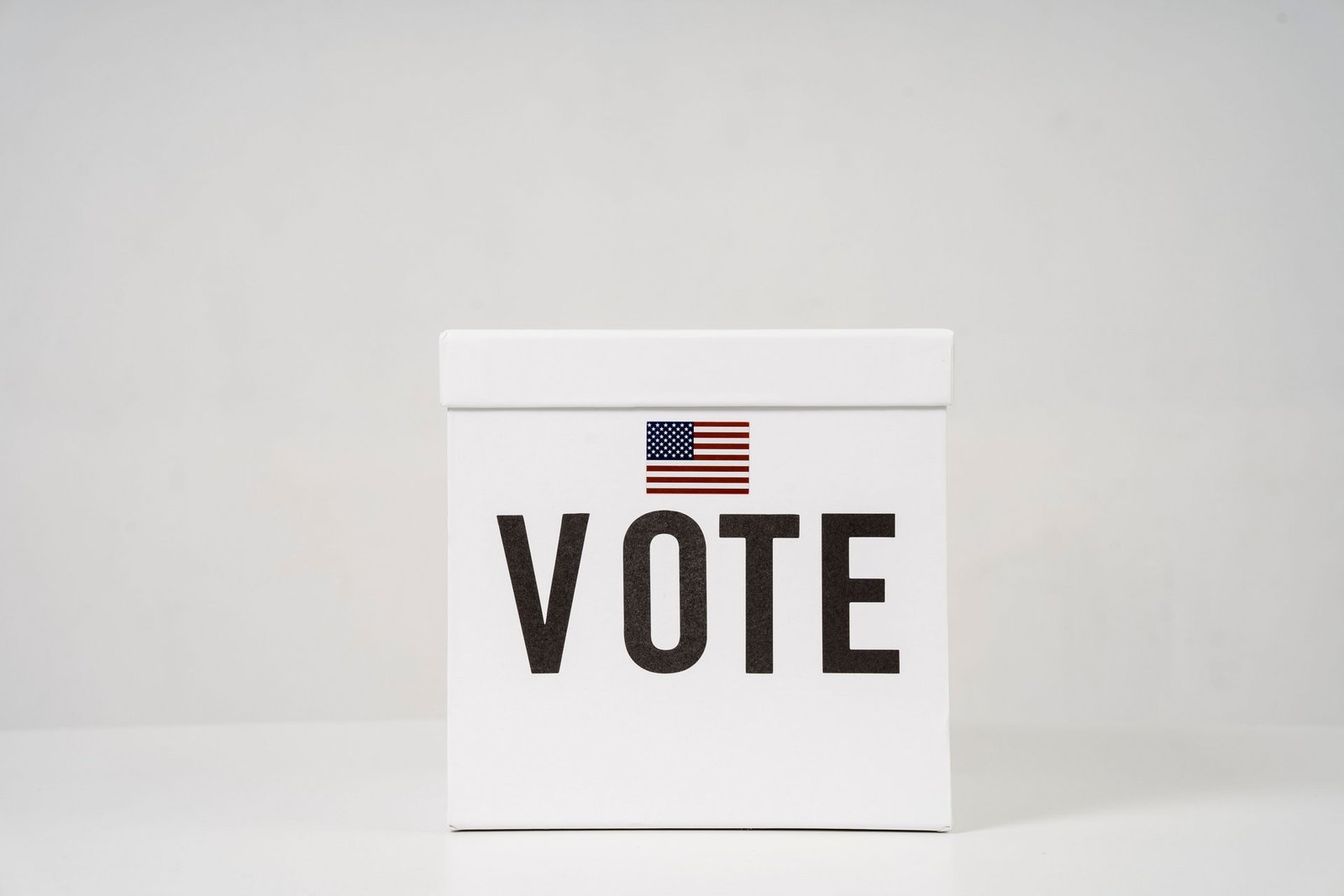
With the election looming, the implications of these allegations extend beyond Brazil’s borders. Concerns about foreign intervention in democratic processes are not unique to Brazil, making this situation a focal point for discussions on international politics and electoral integrity.
Broader Context of the Accusations
These accusations come at a time when Brazil is grappling with various challenges, including economic pressures and rising crime rates. The discourse surrounding foreign involvement in elections raises critical questions about the balance of power and influence in Latin America.
Analysts have noted that Lula da Silva’s claims reflect broader anxieties within the region about U.S. policies and their impact on local governance. As Brazil’s electoral process unfolds, the spotlight will remain on how these dynamics play out and what they mean for the future of Brazilian democracy.