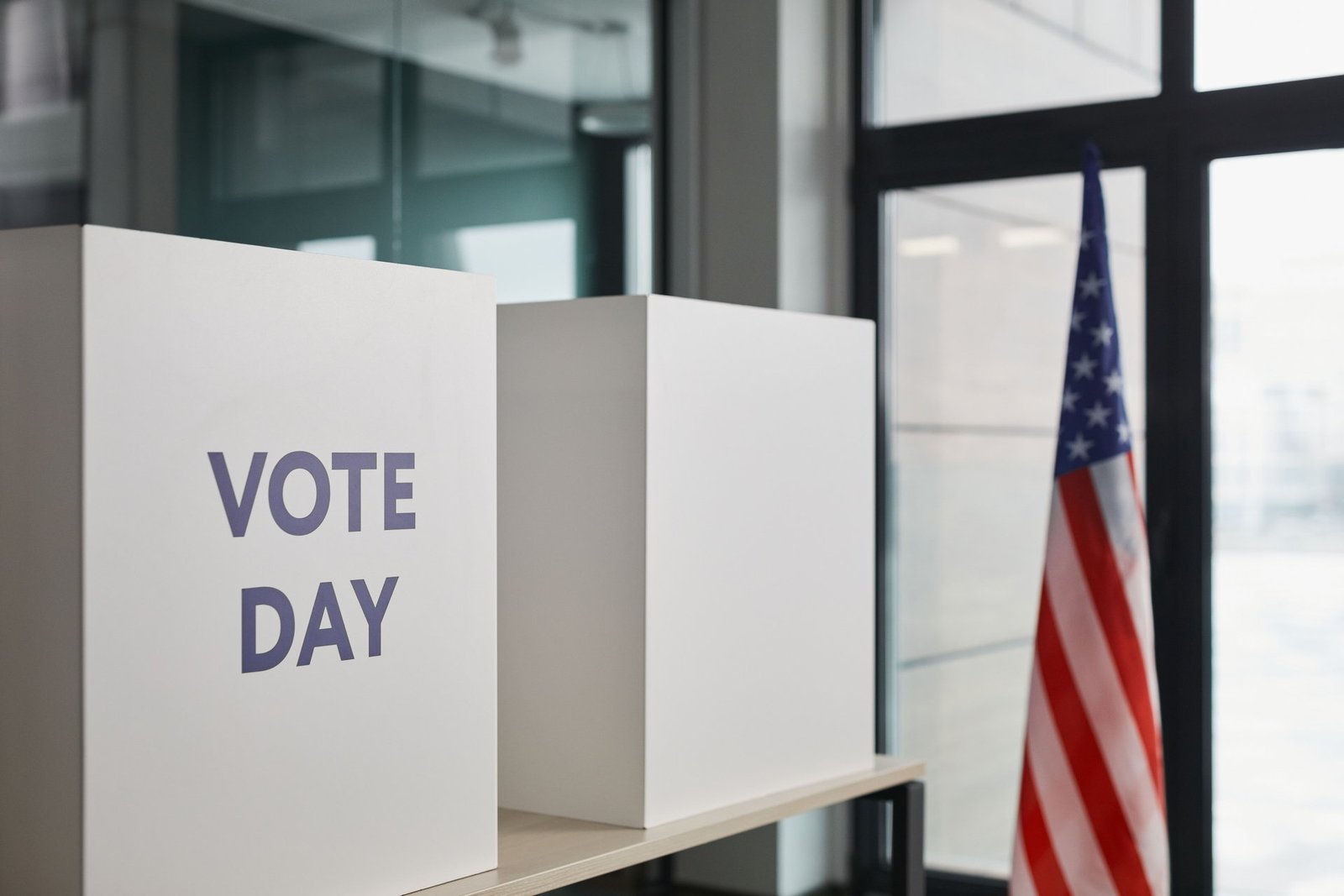
As Brazil approaches its presidential election, tensions are escalating over accusations of foreign interference, particularly from the United States. President Luiz Inácio Lula da Silva is preparing to compete against Flavio Bolsonaro, a right-wing candidate and the son of former President Jair Bolsonaro, who has ties to former US President Donald Trump.
The political landscape in Brazil is fraught with concerns as Lula da Silva has openly criticized Bolsonaro’s faction for allegedly promoting external meddling in the electoral process. This situation has ignited discussions surrounding the extent of US influence in Brazilian politics and the broader implications for national sovereignty.
US Support for Right-Wing Politics in Brazil
In recent years, the US has shown a preference for aligning itself with Brazil’s right-wing factions. This support raises questions about the implications for the upcoming election and how it might affect Lula da Silva’s campaign.
Opposition parties and analysts in Brazil are questioning whether the US’s strategic interests are influencing the political dynamics, particularly as Lula da Silva’s administration seeks to navigate complex issues such as trade tariffs and organized crime.
Concerns Over Sovereignty and Foreign Influence
The allegations of US election interference come amid rising concerns over Brazil’s sovereignty. Lula da Silva’s administration argues that foreign powers should not dictate the outcomes of national elections. This sentiment resonates with many Brazilians who value their country’s independence.
As the election date approaches, these tensions are expected to intensify, prompting both domestic and international observers to closely monitor the unfolding situation. The implications of US involvement in Brazilian politics could have far-reaching consequences for the region.