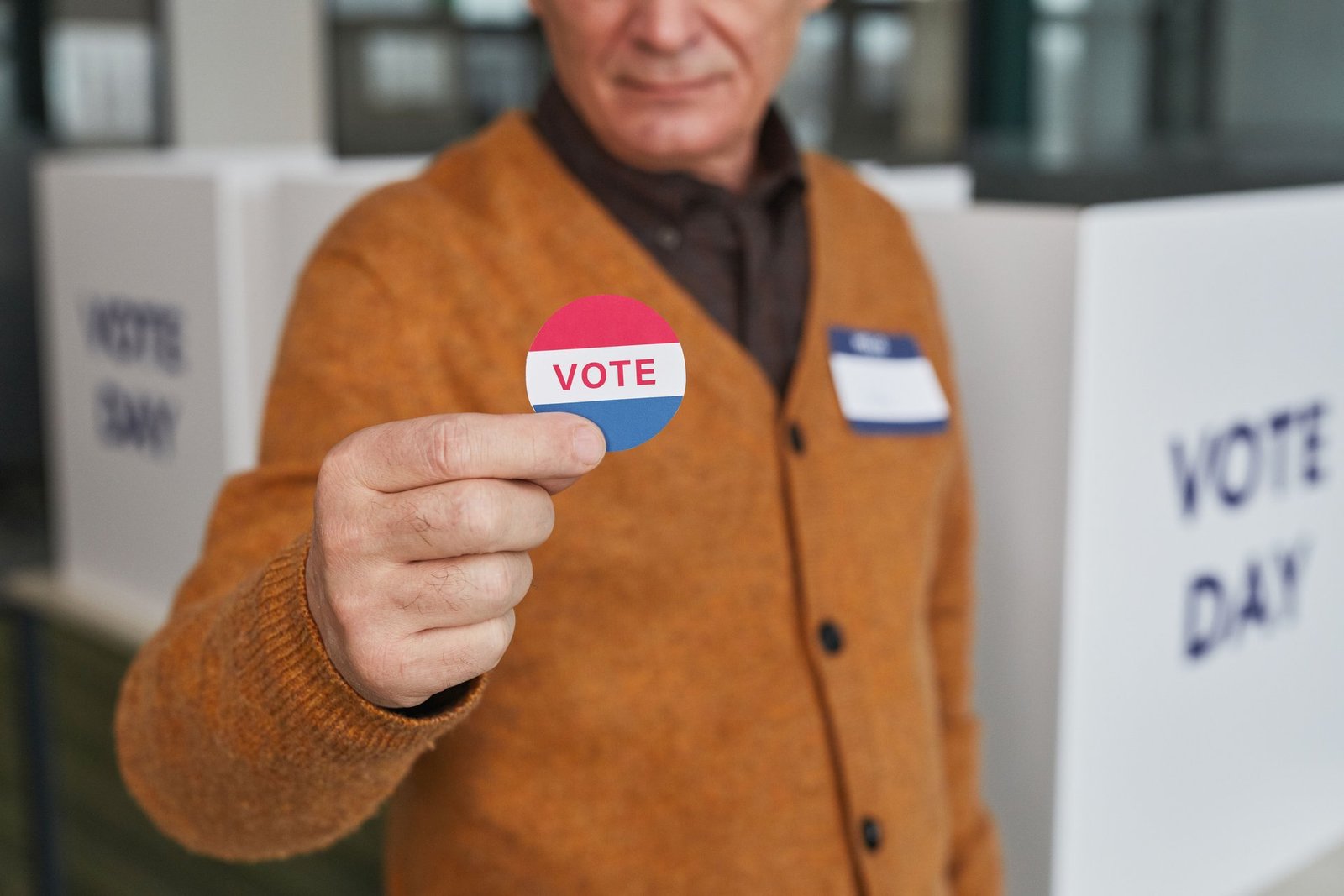
The ongoing efforts by the Trump administration to conduct a thorough review of voter rolls in the United States have drawn attention for their focus on citizenship verification. This initiative has sparked a debate about the implications and motivations behind such a policy, particularly in relation to the presence of non-citizens in the electoral process.
In a parallel move, India has implemented its own electoral exercise known as the Special Intensive Revision (SIR), which similarly emphasizes the need to address issues surrounding illegal immigrants and their potential impact on the voting landscape. This comparison highlights the international trend of governments taking a closer look at the integrity of their voter registration systems.
At the heart of both initiatives is the concern over ensuring that only eligible citizens participate in elections. The Trump administration argues that a ‘cleanup’ of voter rolls is necessary to maintain the integrity of the electoral process. Supporters of this effort claim that it will help to prevent fraudulent voting practices and ensure that every vote cast is legitimate.
Comparative Analysis of Voter Verification Efforts
In the United States, data regarding the number of non-citizens on the voter rolls is limited, making it challenging to assess the actual scale of the issue. Critics of the Trump administration’s approach argue that the lack of substantial evidence of widespread voter fraud among non-citizens raises questions about the necessity of such stringent measures. They contend that this push for a citizenship check primarily serves political interests rather than addressing genuine concerns about electoral integrity.
Conversely, India’s SIR initiative also grapples with similar issues related to undocumented immigrants. The Indian government’s rationale for this exercise is to ensure that the voter list accurately reflects those who are legally entitled to vote, thereby promoting a fair electoral process. However, the effectiveness and execution of the SIR have faced scrutiny, as opponents worry it may disproportionately affect certain communities and lead to disenfranchisement.
Implications of Voter Roll Clean-Up Initiatives
The implications of these voter roll clean-up initiatives extend beyond mere administrative adjustments. They touch upon fundamental issues of citizenship, identity, and the access to democratic participation. In both the U.S. and India, these actions have the potential to influence electoral outcomes and shape the political landscape.
As these programs unfold, the lack of comprehensive data remains a significant barrier to understanding their true impact. Analysts and citizens alike are calling for transparency and accountability in how these voter verification processes are implemented. In light of the complexities involved, it is crucial for both nations to balance the need for electoral integrity with the protection of individual rights and access to the democratic process.
Moving forward, it will be essential for policymakers to consider the nuances of citizenship verification and its implications on voter participation. The ongoing discourse surrounding these initiatives will likely continue to evolve as new data emerges and as both nations grapple with the challenges of ensuring fair elections in an increasingly complex demographic landscape.