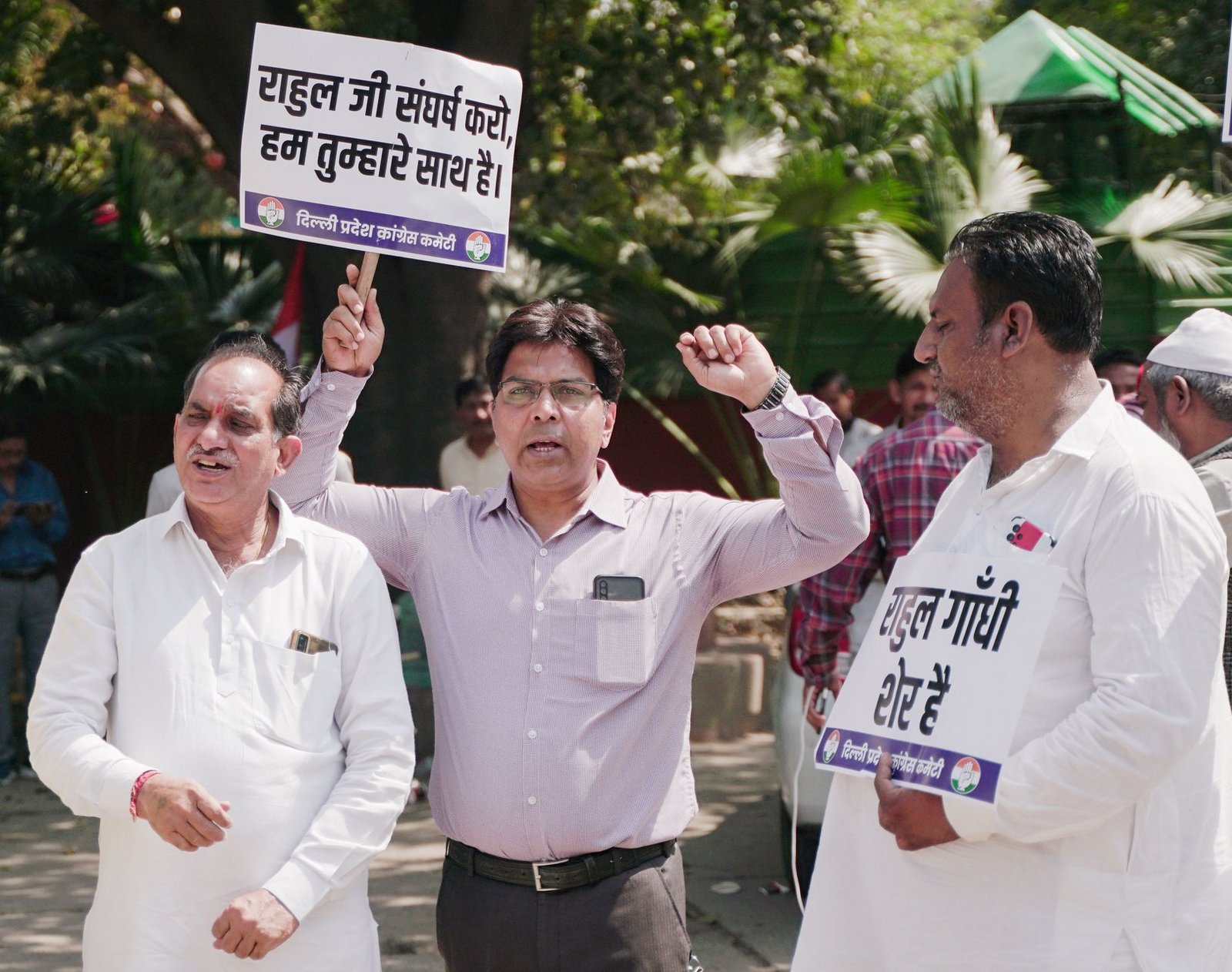
On Wednesday, a significant protest organized by the Congress party, under the leadership of Rahul Gandhi, took place to address pressing issues concerning the SIR (Strategic Investment Regions). However, the absence of key figures from the Samajwadi Party, particularly Akhilesh Yadav, raised eyebrows and sparked discussions about potential rifts within the opposition coalition known as the INDIA bloc.
Congress Protest and Its Objectives
The protest was aimed at voicing concerns over the government’s policies related to Strategic Investment Regions, which have drawn criticism from various quarters for their impact on local communities and economic equity. Rahul Gandhi, a prominent figure in the opposition, took center stage, emphasizing the need for unity among opposition parties to challenge the ruling government effectively.
According to reports, the Congress party had extended invitations to all partners within the INDIA bloc for this vital gathering. The motivations behind the protest were not only to highlight the SIR issues but also to reinforce the opposition’s collaborative stance against the government’s economic strategies.
Absence of Samajwadi Party Leaders
Despite the invitation, many leaders from the Samajwadi Party were notably absent during the protest. This absence is particularly striking given that the Samajwadi Party is a significant player within the opposition alliance. Political analysts are interpreting this as a possible signal of discord or differing priorities among the coalition partners.
The Congress spokesperson stated that the late finalization of the protest program was a factor that contributed to the absence of some partners. This explanation, however, does little to quell speculation about the underlying relationship dynamics between the parties involved.
Implications for the INDIA Bloc
The lack of participation from Samajwadi Party leaders raises questions about the cohesion of the INDIA bloc. Political alliances are often fragile, and the absence of key figures can lead to perceptions of disunity, which opponents may exploit. It is essential for the coalition to present a united front, particularly as elections approach.
Analysts suggest that the rift, if it exists, could hinder the strategic objectives of the alliance, making it more difficult for them to coordinate their efforts against the ruling party. The inability to maintain solidarity might affect voter perceptions and engagement, potentially influencing electoral outcomes.
Next Steps for the Coalition
Moving forward, it will be crucial for the leaders of the INDIA bloc to engage in dialogue to address any misunderstandings or differences that may have arisen. Strengthening communication and collaboration among the parties can help to mitigate the risks of further disunity.
The upcoming events and meetings will likely be pivotal in determining the future of the alliance. If the parties can resolve their differences, they may still present a formidable challenge to the current government. Conversely, continued divisions could weaken their overall effectiveness as a united opposition.