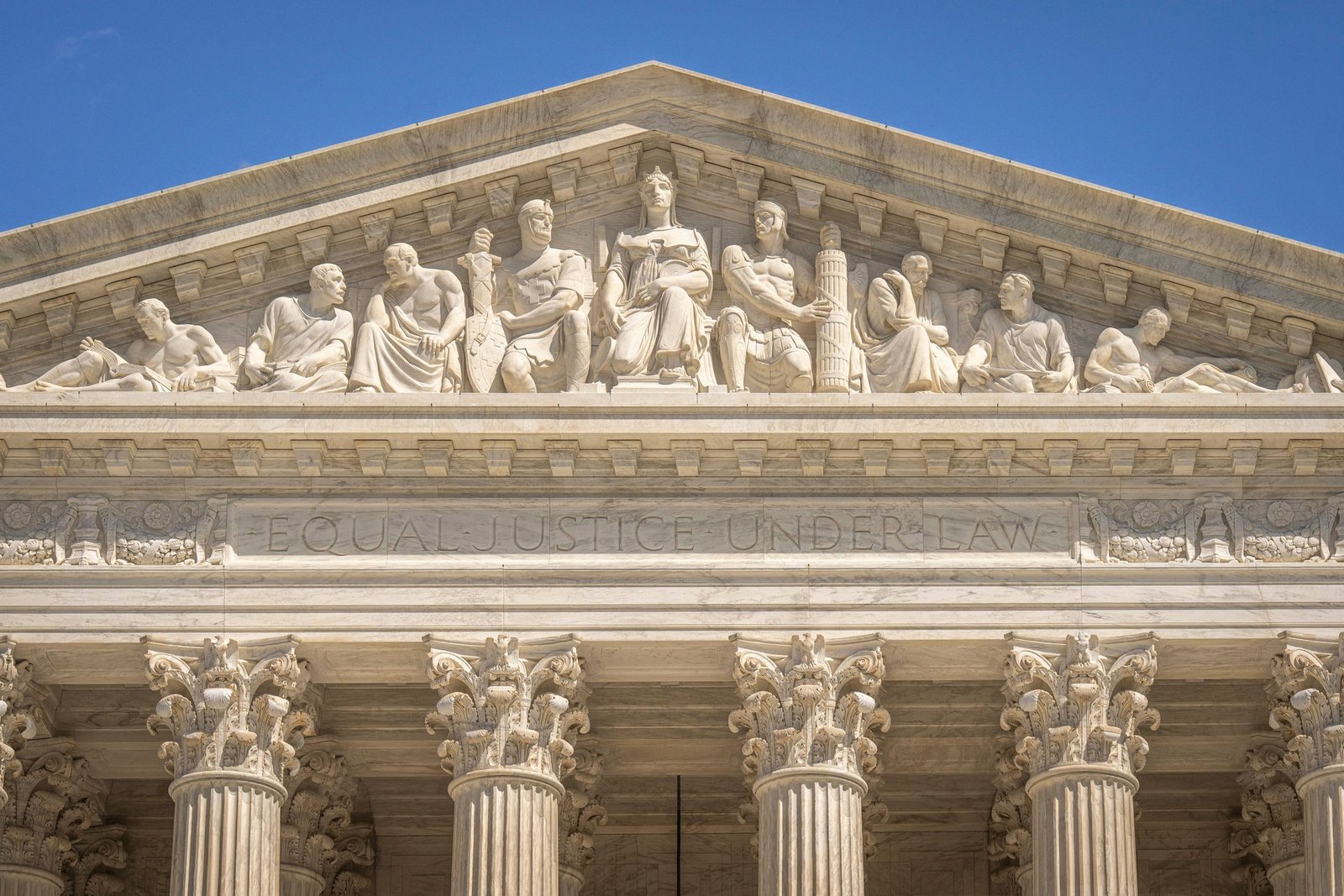
In a significant judicial ruling, the Supreme Court of India has issued an order that prevents any coercive actions against officials in the Punjab government as the Central Bureau of Investigation (CBI) embarks on a probe into corruption allegations. This decision comes in response to a plea from the Punjab government, which sought a stay on a previous directive from the High Court.
Background of the Case
The High Court had instructed the CBI to investigate claims of corruption involving individuals associated with the state administration. This directive mandated that the CBI complete its investigation and submit a detailed report within a two-month timeframe. The state government contested this order, arguing that it could lead to undue harassment of its officials and disrupt the functioning of the government.
The Supreme Court’s ruling is seen as a protective measure for Punjab’s officials, allowing them to carry out their duties without the fear of immediate coercive actions while the investigation is ongoing. The court’s decision highlights the balance between the need for accountability in public office and the rights of government officials to operate without undue interference.
Implications of the Ruling
This ruling has broader implications for how corruption investigations are conducted in India, particularly regarding the treatment of state officials. It raises questions about the methods employed by investigative agencies like the CBI and the extent to which they can engage in operations without causing a significant disruption to governance.
Legal experts suggest that while the investigation is crucial for upholding integrity in public service, it must be executed in a manner that respects the rights of individuals. The Supreme Court’s stance may encourage a more measured approach to such investigations, ensuring that officials are not subjected to undue pressure during the process.
Next Steps in the Investigation
As the CBI prepares to undertake the investigation, the timeline set by the High Court remains a point of focus. The agency will need to navigate the complexities of gathering evidence while adhering to the Supreme Court’s restrictions on coercive measures against state officials. The outcome of this investigation could have significant consequences for the political landscape in Punjab and may lead to further legal challenges depending on the findings.
The Supreme Court’s order is a pivotal moment in the ongoing discourse about corruption and accountability in Indian governance. It underscores the judiciary’s role in moderating the actions of law enforcement agencies to ensure that justice is served without compromising the rights of individuals in public service.
Source: NDTV India