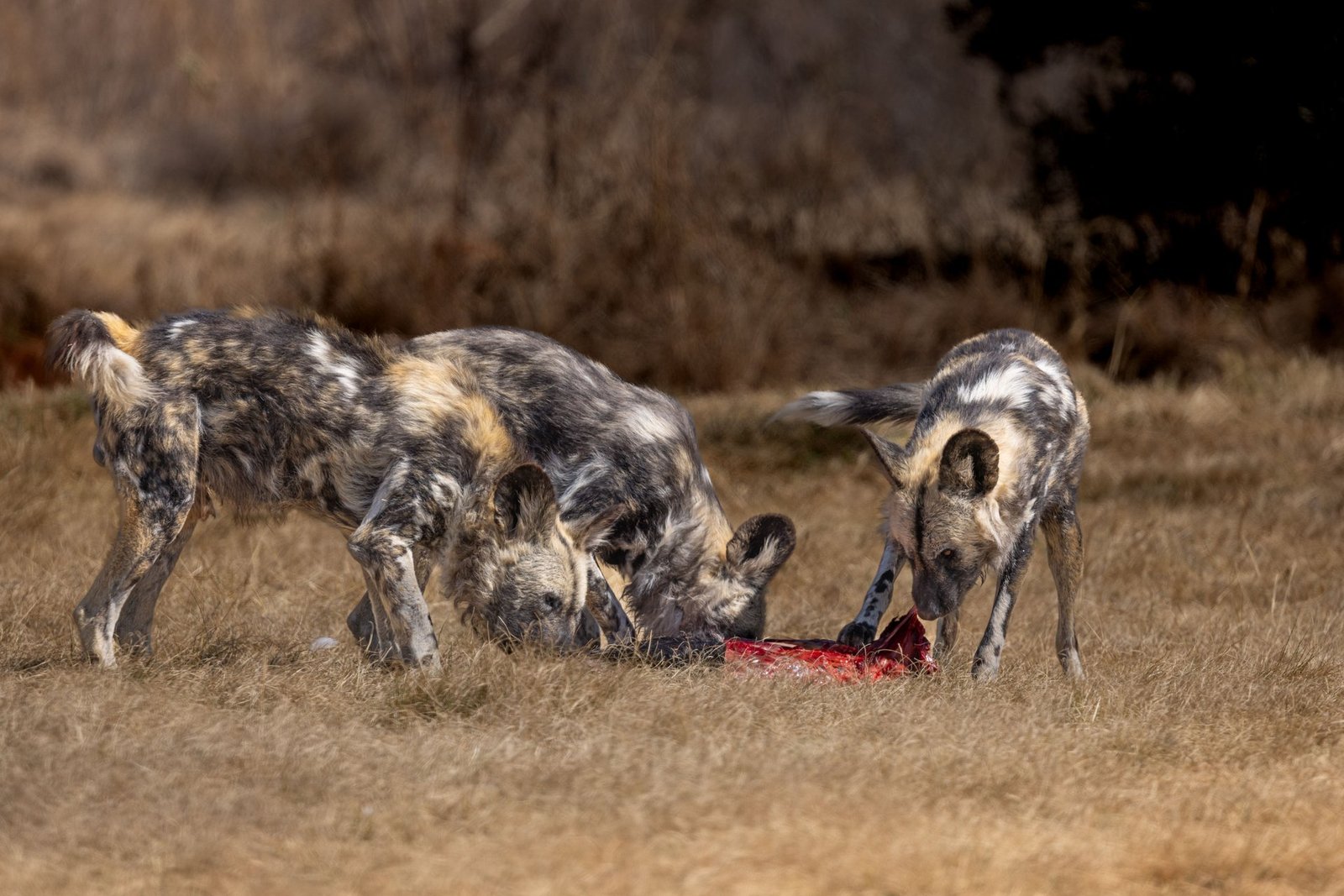
In an extraordinary display of endurance, a group of African wild dogs has embarked on a remarkable 2,485-mile journey across Zambia, setting a new record for the longest documented trek by any African land mammal in search of a mate.
Scientists believe this journey, spanning eight months, highlights the resilience of wildlife to traverse large distances even in the face of increasing human encroachment. These three male wild dogs navigated through a landscape marked by human development, managing to avoid major urban centers along their path.
Challenges Faced by Wild Dogs
The journey of these wild dogs was not without peril. Some of their counterparts, also tracked during the study, fell victim to illegal snares, underscoring the constant threats these animals face. The research revealed that while these three males completed their journey, two of three female wild dogs attempting a similar feat died, one caught in a snare.
African wild dogs are among the continent’s rarest predators, with only around 6,000 left in the wild. They live in tightly knit packs and are known for their extensive roaming behavior, crucial for finding new territories and breeding partners. Reproduction within their birth pack is not possible, prompting them to venture out at a young age.
The Importance of Dispersal Routes
The term “dispersal” describes the one-way journey these animals make in quest of mates, distinguishing it from seasonal migrations driven by food or habitat needs. This journey through Zambia demonstrated the wild dogs’ ability to move between wildlife strongholds, carefully avoiding human-dominated areas like Lusaka and industrial zones.
The research carries implications for conservation efforts, suggesting that wild dog populations in eastern and southern Africa might be more interlinked than previously thought. Professor Scott Creel from Montana State University, who led the study, believes this offers a cautious optimism for the future of these animals.
Conservation Implications
The study, published in the journal Ecology, calls for the creation of natural corridors outside protected zones to connect fragmented wildlife habitats. Such initiatives are vital for species like wild dogs and elephants, which require vast, uninterrupted landscapes to thrive.
Bruce Ellender, a co-author and director at Kafue Conservation, emphasized the need for broader conservation thinking. “Protected areas cannot function as isolated islands. We must ensure they are part of a larger, interconnected landscape,” he stated.