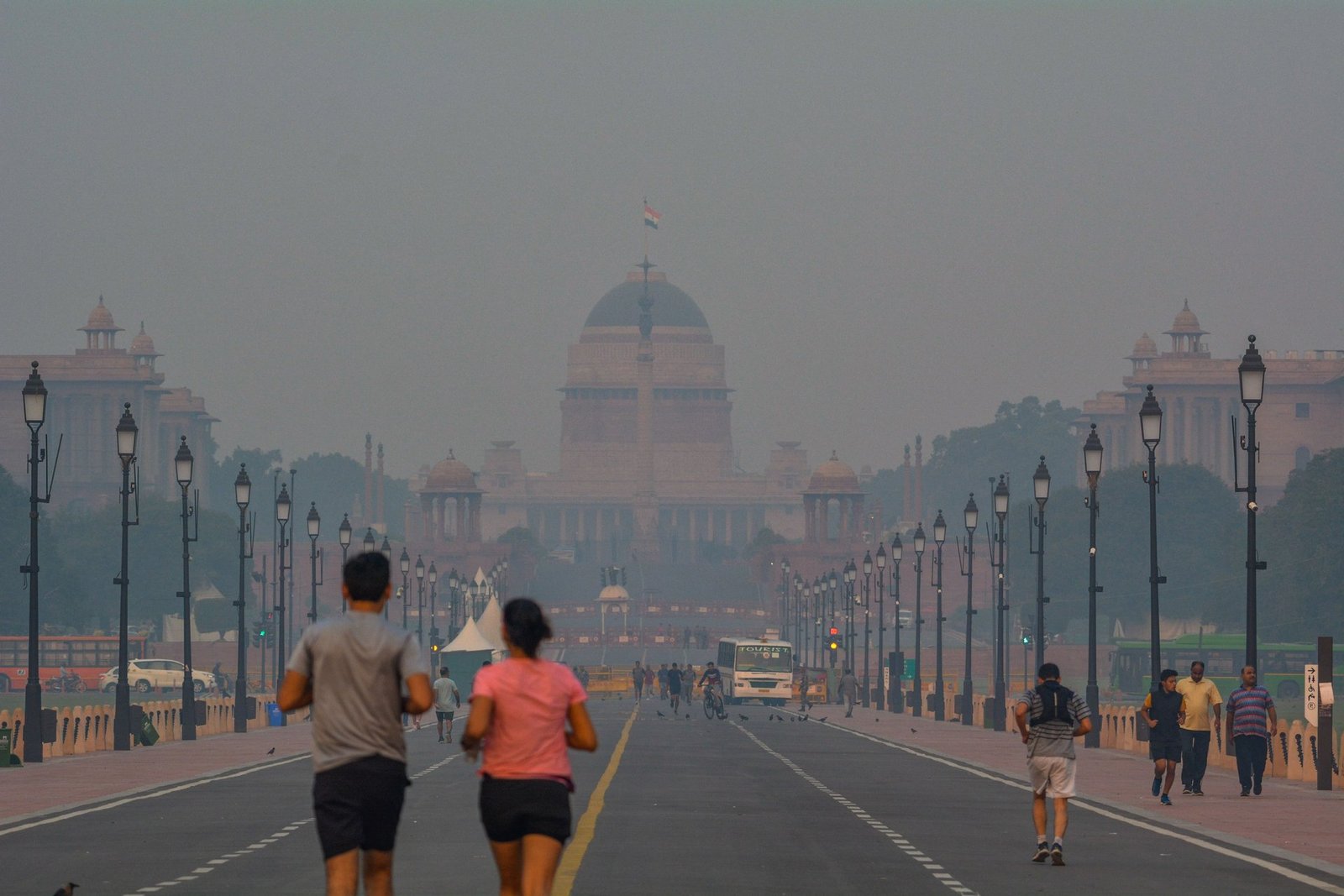
Recent reports indicate that the Air Quality Index (AQI) in Delhi has improved, sliding into the ‘moderate’ category. This shift comes at a time when stubble burning activities have been noted across several states, raising concerns about air pollution levels.
Stubble Burning Events Recorded
According to data collected, a total of 114 instances of stubble burning were reported from September 15 to September 30 across six states in India. Punjab emerged as the state with the highest number of incidents, recording 59 such events. Uttar Pradesh followed closely with 32 cases, while Madhya Pradesh accounted for 17. Additionally, Haryana reported three incidents, Rajasthan registered two, and even Delhi had one recorded event.
This widespread occurrence of stubble burning is significant as it plays a crucial role in contributing to air pollution, particularly during the post-harvest season when farmers burn leftover crop residues in their fields. The practice is most prevalent in the northern states, where agricultural activity is concentrated.
Impact on Air Quality
The connection between stubble burning and air quality is well-documented, with the practice often leading to spikes in particulate matter and other pollutants in the atmosphere. As Delhi’s air quality fluctuates, the ‘moderate’ classification indicates a temporary respite from the typically severe pollution levels that the city experiences, especially during the winter months.
While the AQI has improved, authorities and environmentalists remain vigilant. They emphasize the need for continuous monitoring and effective measures to mitigate pollution sources. The presence of stubble burning adds complexity to efforts aimed at ensuring cleaner air for residents.
Future Measures and Concerns
Looking ahead, the focus will need to shift towards addressing the root causes of stubble burning. Policymakers are being urged to implement sustainable farming practices and provide farmers with alternatives to burning crop residue. This includes offering incentives for adopting technology that can help in managing agricultural waste without harming air quality.
Furthermore, it is essential for state governments to collaborate in monitoring air quality and enforcing regulations against stubble burning. The issue is not only about environmental health but also about public health, as poor air quality can lead to increased respiratory problems among the population, particularly vulnerable groups such as children and the elderly.
As the seasons change and the threat of air pollution looms, the authorities are tasked with ensuring that the improvements in Delhi’s air quality are sustained. Continuous awareness and action will be needed to tackle the challenges posed by stubble burning and other sources of air pollution.