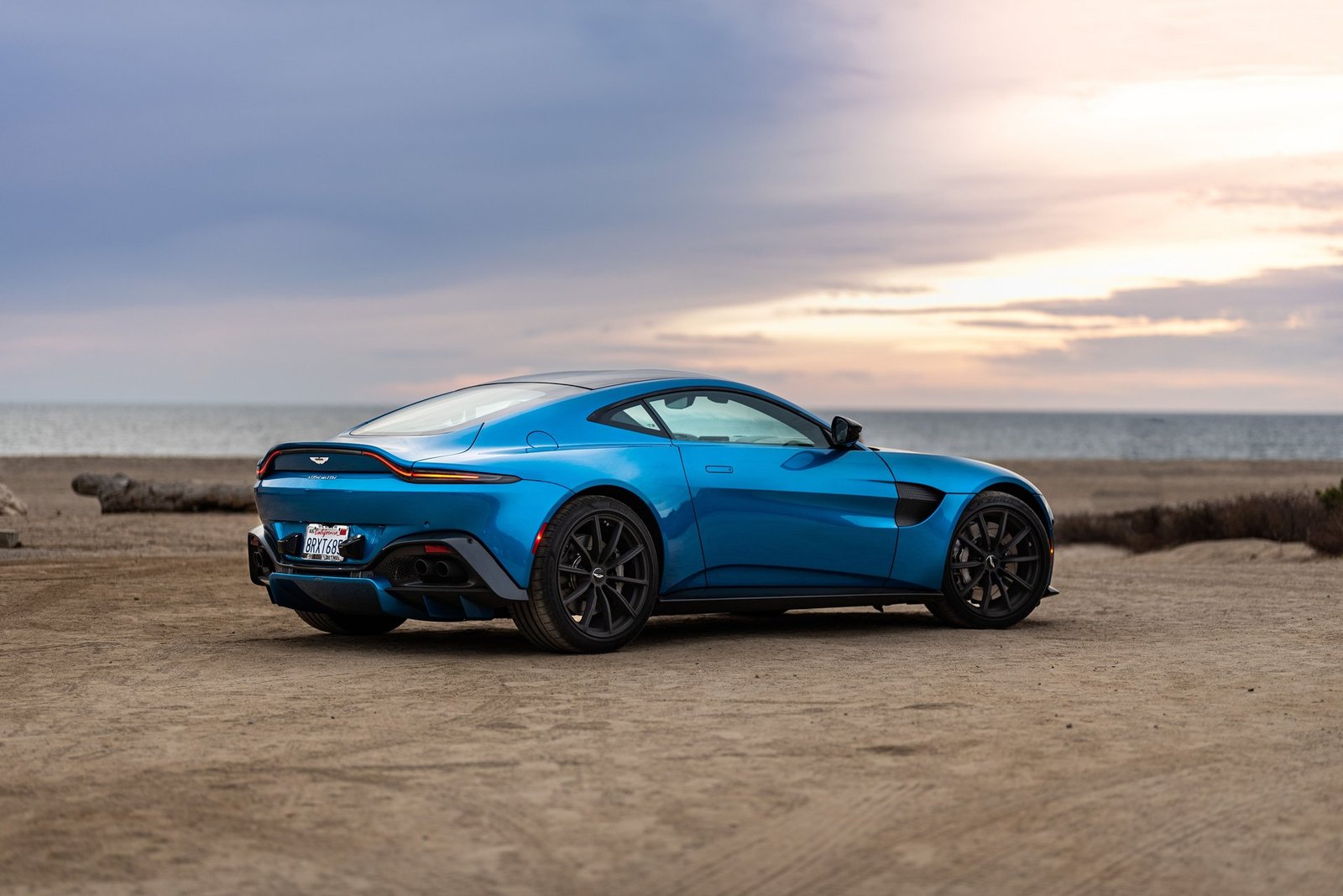
Aston Martin has announced a further postponement of its first electric vehicle, now expected no earlier than 2033. CEO Adrian Hallmark emphasized that the company does not have a definitive launch date, aligning the timeline with regulatory requirements in certain markets that mandate electric vehicles by 2035.
In an interview with Autocar UK, Hallmark described Aston Martin as “not BEV deniers but BEV delayers,” indicating that the company will continue to focus predominantly on internal combustion engines (ICE) until at least 2035.
Timeline Adjustments and Market Considerations
The plan for Aston Martin’s EV has shifted multiple times. Initially set for 2025, the launch was moved to 2026, then to 2030, and is now projected for the 2033-2035 window. Hallmark attributes this to the rapid pace of change in EV demand and legislation, which outpaces the automotive industry’s ability to adapt.
He refrained from giving a specific launch date, citing the unpredictability of the market and technological advancements. The decision aligns with previous comments from executive chairman Lawrence Stroll, who noted that demand for EVs at Aston Martin’s price point was lower than anticipated.
Partnerships and Technological Developments
Aston Martin has secured an agreement with Lucid for electric vehicle technology while maintaining a partnership with Mercedes-Benz for engine supply. Hallmark commented that the delay allows the company to monitor technological advancements before committing to significant investments.
“By the time we activate the deal with Lucid, the technology will have evolved,” Hallmark said, emphasizing ongoing research rather than immediate financial commitment. The company is focusing on understanding BEV technology and market dynamics before investing heavily.
Combustion Engines and Hybrid Technology
Despite the shift towards electrification, Aston Martin plans to continue producing V8 and V12 engines, ensuring compliance with regulations until at least 2035. Hallmark confirmed a roadmap for keeping these engines relevant and compliant with future standards.
While earlier strategies involved investing in plug-in hybrid technology, Hallmark now suggests that Aston Martin will likely focus on hybridization without the plug-in component, due to concerns about additional weight. “Between 2030 and 2035, everything in our lineup will be revamped,” he noted, with an emphasis on enhancing vehicle performance and quality.
Legacy Projects and Future Prospects
The Rapide E, initially planned for production as a limited-run electric model, was canceled before reaching customers. Instead, it served as a project for electrification research. This pivot reflects Aston Martin’s cautious approach towards introducing electric vehicles, despite earlier ambitious plans.
Hallmark also reaffirmed the continuation of the Valhalla hypercar, hinting at potential new variants. The platform will support future low-volume special editions, showcasing Aston Martin’s commitment to innovation alongside their traditional offerings.