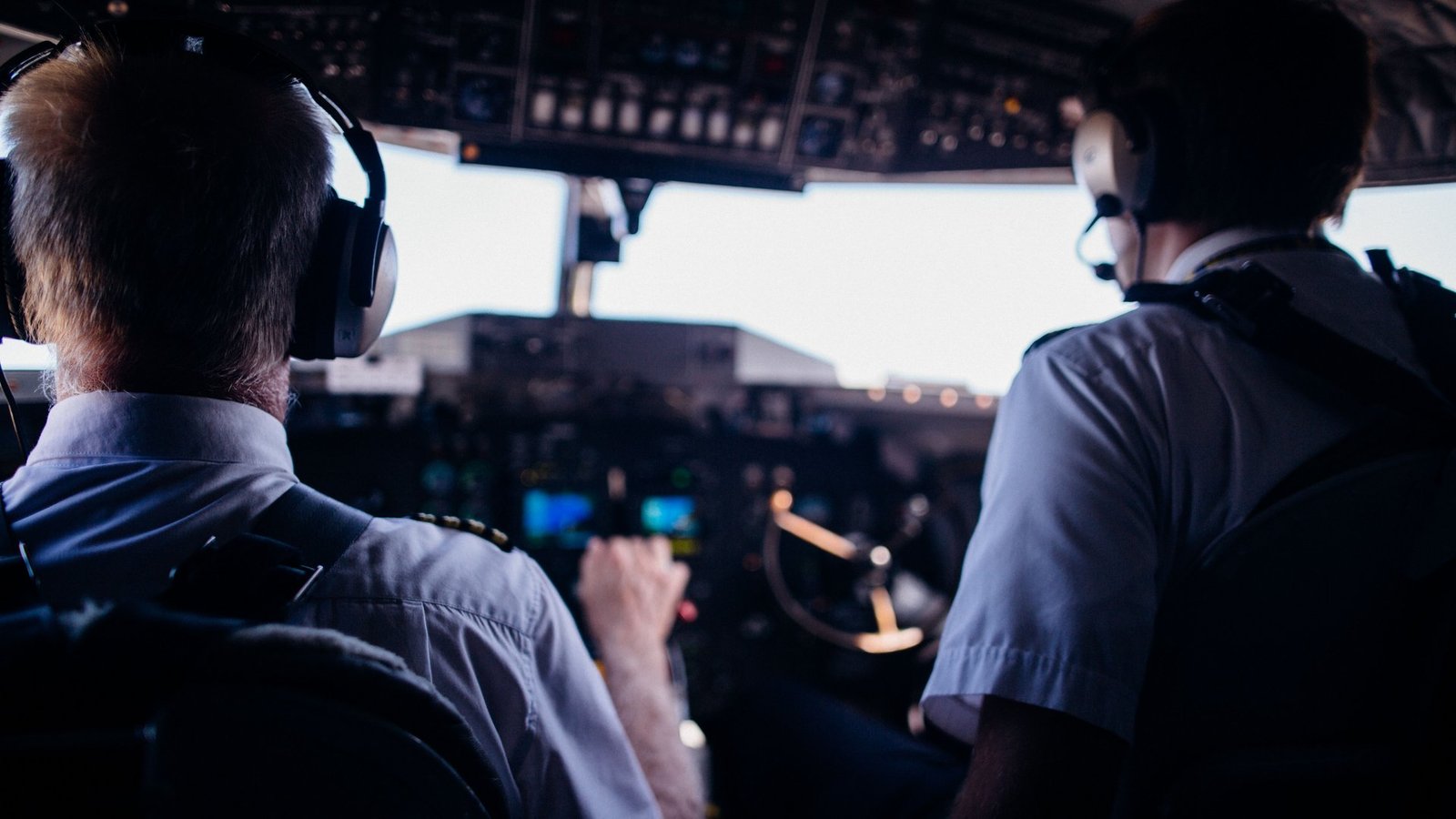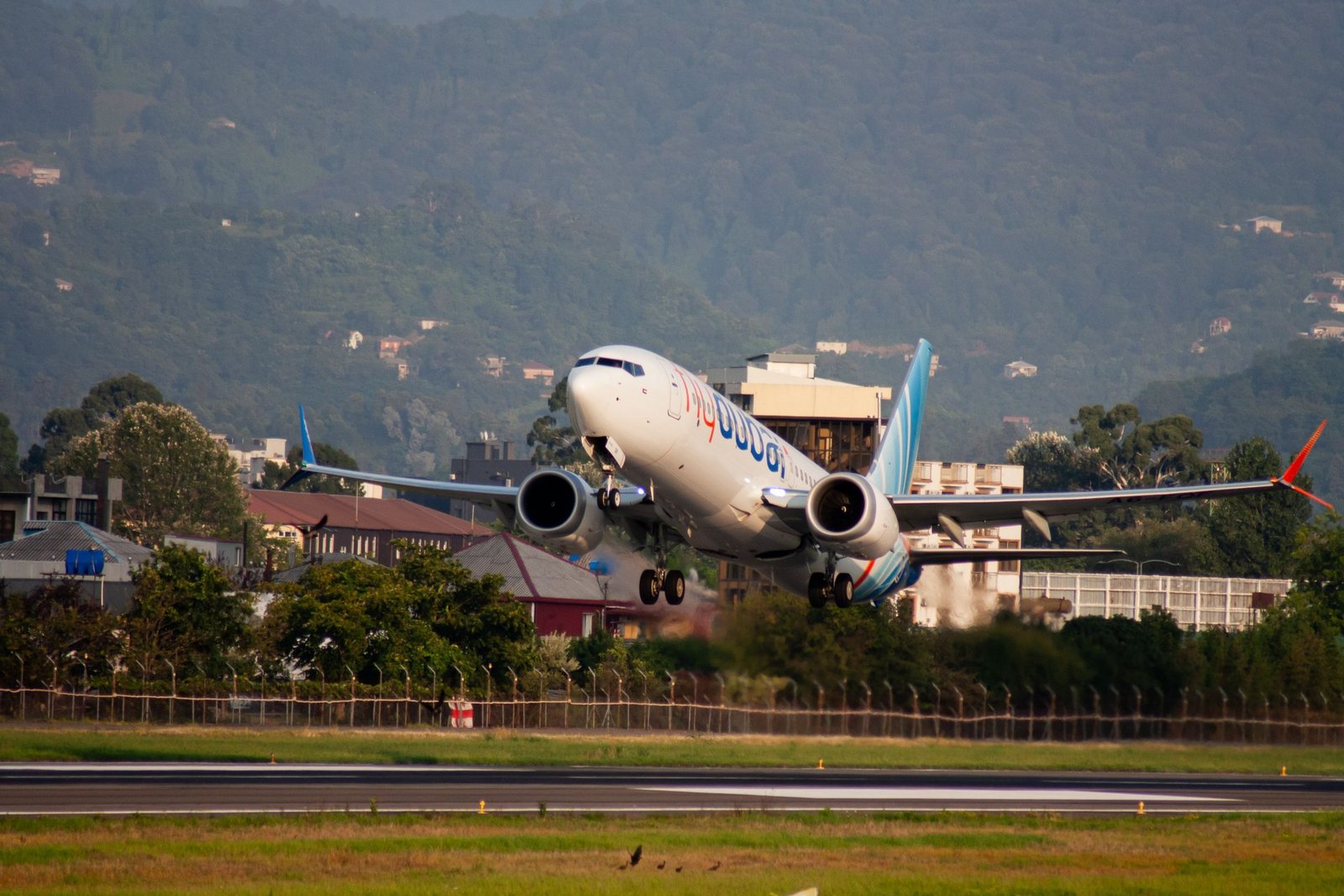
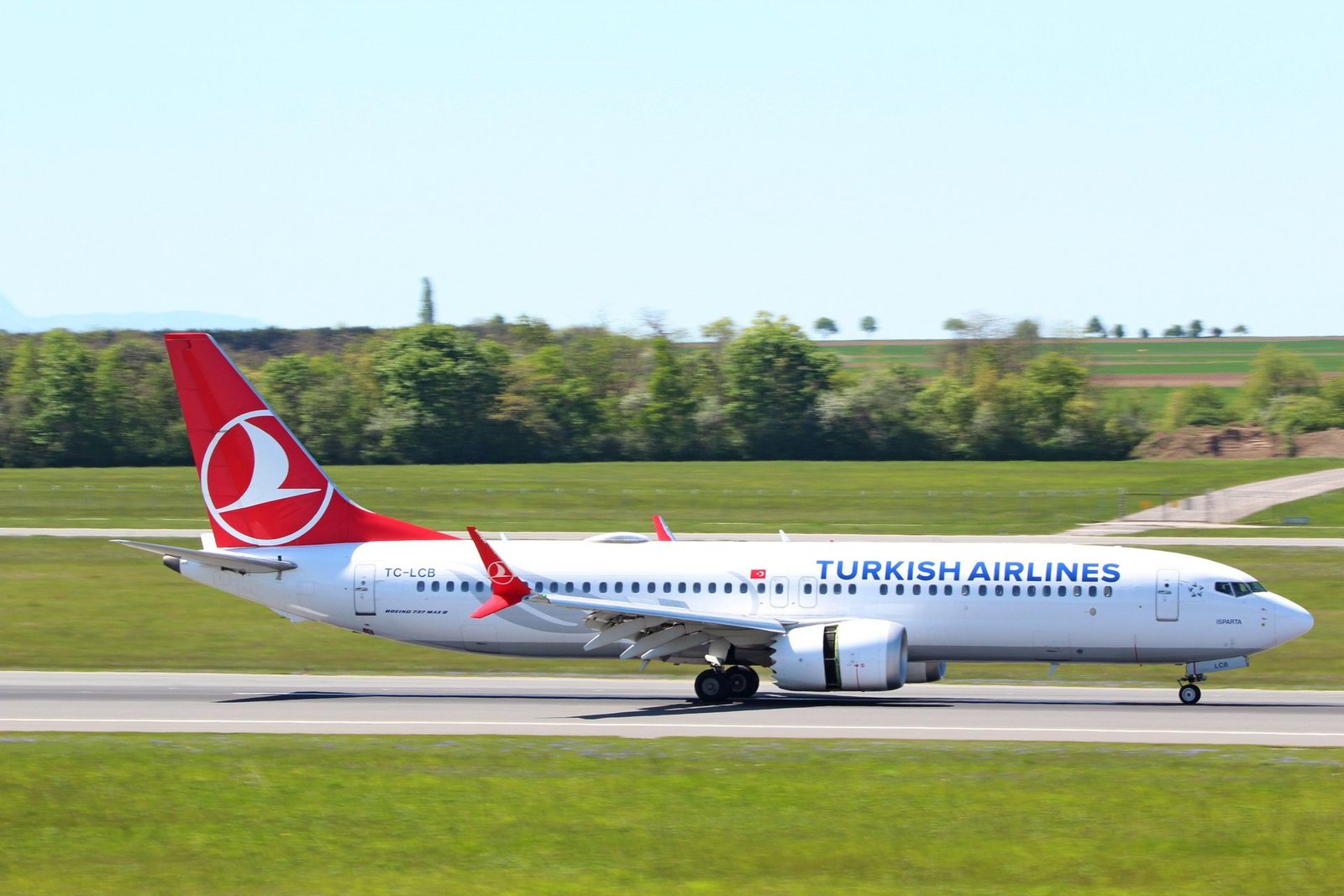
The aviation community has been buzzing with excitement following a recent incident involving a Boeing 737 MAX operated by flydubai. Pilots, including those with military backgrounds, have taken to social media platforms to express their astonishment at the aircraft’s ability to land safely despite facing severe challenges during its flight.
This event is being described by many as miraculous, highlighting the robust engineering of the 737 MAX airframe. The pilots who shared their thoughts noted that the aircraft’s performance in such a dire situation underscores the advancements in aviation safety and technology.
Incident Overview
Details surrounding the flight that prompted such a reaction remain sparse, but the incident has certainly sparked interest among aviation experts and enthusiasts alike. The 737 MAX, which has seen its share of controversies following grounding incidents in the past, is now being recognized for its resilience during this particular flight.
Experts are keen to analyze the circumstances that allowed the aircraft to navigate through challenging conditions and return to the ground safely. Such discussions are crucial, as they can lead to improved safety protocols and training for pilots in similar situations.
The Importance of Pilot Feedback
The feedback from pilots, especially those with extensive experience, is invaluable in the aviation industry. Their insights can lead to significant improvements in aircraft design and operational procedures. The fact that many pilots, including those from military backgrounds, have publicly acknowledged the success of the 737 MAX in this scenario speaks volumes about the aircraft’s capabilities.
When experienced pilots validate the performance of an aircraft, it can enhance public confidence in the model. This is particularly important for Boeing as it continues to recover from the reputational damage caused by prior incidents involving the 737 MAX.
Future Implications for Boeing and Aviation Safety
This incident may have broader implications for Boeing and the aviation industry as a whole. With the 737 MAX being a cornerstone of Boeing’s commercial fleet, incidents like this can help restore trust among airlines and customers. The positive feedback from pilots could lead to increased orders for the aircraft, thereby aiding Boeing’s recovery in the marketplace.
Furthermore, the incident highlights the importance of ongoing training and preparation for pilots. It serves as a reminder that even advanced aircraft can face unexpected challenges, and having a well-trained crew can make all the difference in ensuring passenger safety.