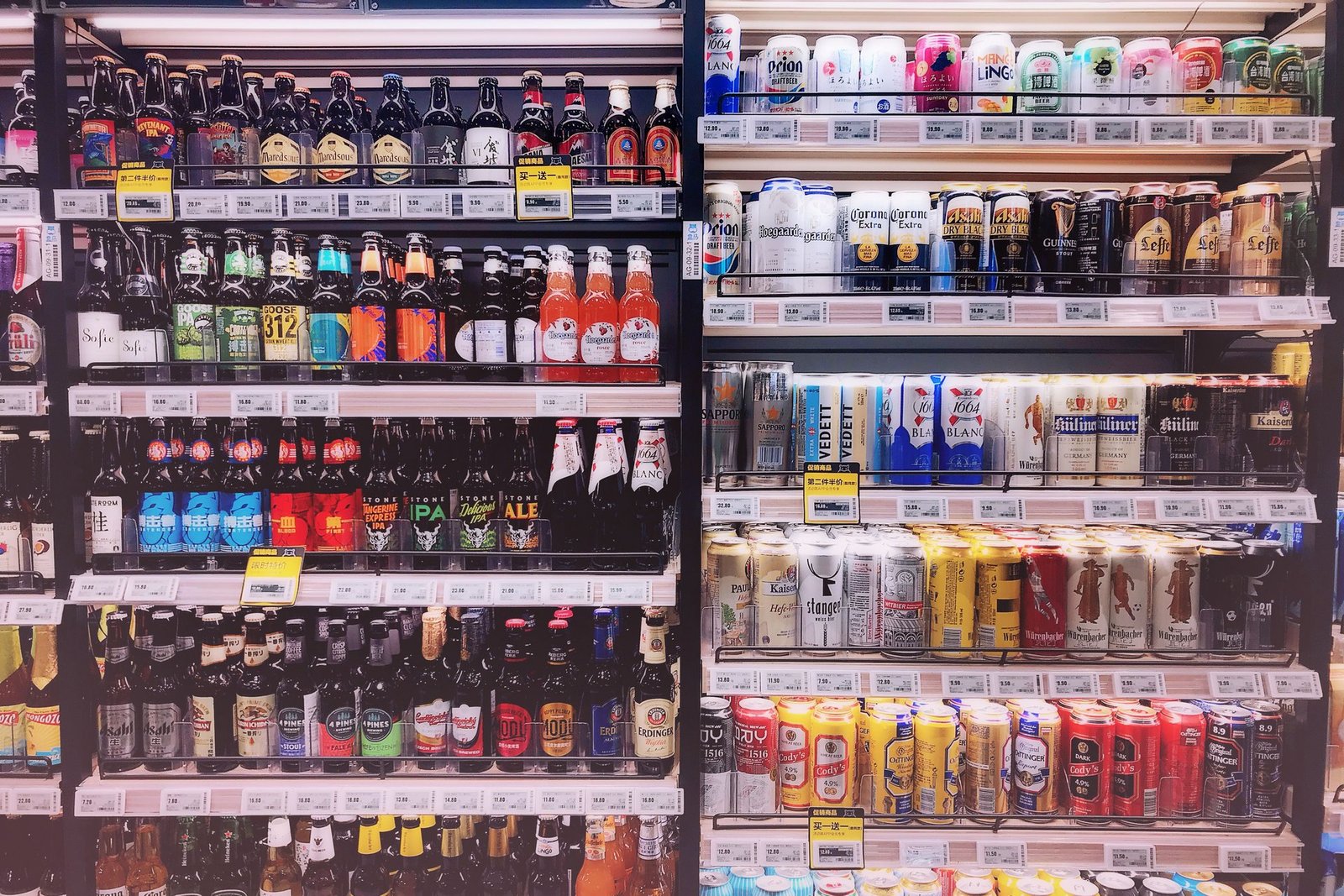
A ban imposed by the United States on various Canadian imports, including alcohol, dairy products, and motorcycles, officially took effect as trade tensions between the two neighboring countries continue to escalate.
This latest action by the Trump administration is a direct response to Canada’s recent decision to impose tariffs on a selection of American goods after trade negotiations faltered earlier this month.
Despite the new restrictions, Canadian officials do not anticipate further retaliatory measures. Prime Minister Mark Carney mentioned that the economic repercussions of these import bans will be “modest” for Canada.
Current State of Trade Relations
Trade discussions between the United States and Canada remain stagnant. US Trade Representative Jamieson Greer shared in a CNBC interview that President Donald Trump feels “comfortable” with the current state of relations. Greer noted, “They call us now and then and we have good conversations about potential deals. But there’s no urgency on our side.”
The trade ban that began this week impacts nearly C$1 billion (approximately $710 million) worth of Canadian liquor exports to the US, alongside whey products utilized in protein supplements. Although motorcycle exports are also affected, the volume of Canadian motorcycles sent to the US in 2025 was limited to around 5,000 units, valued at C$120 million, suggesting the overall effect may be minor.
Details of the Ban and Economic Implications
The import restrictions were initially revealed through a series of executive orders signed by Trump on September 8. In these orders, he cited “continued discrimination” by Canada against US dairy, automotive, and alcohol sectors. During a press briefing, Trump claimed Canada has treated the US “very unfairly,” labeling it as one of the “worst countries in the entire world” regarding trade practices.
Prime Minister Carney characterized the import bans as relatively mild compared to other trade actions the US has executed against Canada, although he acknowledged that certain businesses and sectors would feel the direct impact.
Derek Holt, an economist at Scotiabank, commented on these actions, describing them as more of a “face-saving” measure by the US administration rather than substantive changes, which he sees as a positive development. Notably, approximately 93% of Canadian liquor exports went to the US in 2025, and Spirits Canada, which represents local liquor producers, warned that the consequences could be significant.
Wider Trade Context and Tariffs
In addition to the new import restrictions, the US has already enacted 50% tariffs on numerous Canadian products, including dairy and alcohol, as well as steel and aluminum goods, and has applied a 25% tariff on Canadian-made automobiles. In retaliation, Canada has introduced tariffs ranging from 15% to 50% on over 700 US products and imposed a 25% levy on select steel and aluminum imports. Furthermore, many provinces in Canada have ceased the sale of US liquor.
Tariffs, which are taxes levied on imported goods, are a crucial aspect of Trump’s economic strategy, aimed at boosting government revenue and promoting the consumption of American-made products. However, economists argue that such tariffs have led to increased prices for everyday goods, adversely affecting consumers and disrupting the global economy.