
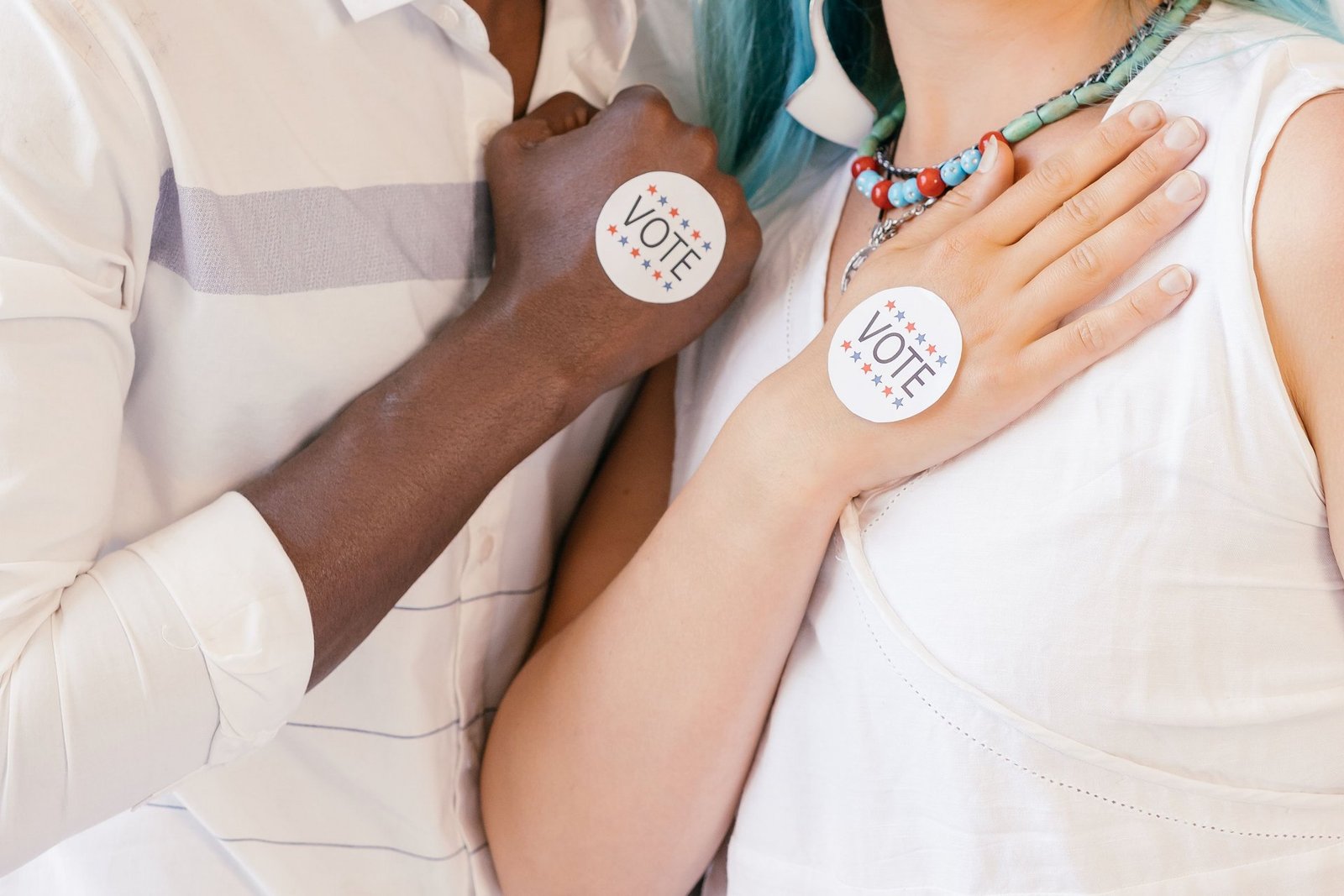
A recent development has raised concerns regarding the voting rights of Americans residing outside the United States. The Trump administration has made adjustments to regulations that could complicate the voting process for U.S. citizens living abroad. This change is particularly significant considering the estimated number of Americans overseas participating in elections.
Understanding the Impact on Overseas Voters
According to estimates from the 2016 election, there were approximately 11,500 Americans living abroad who had never set foot in the United States but still exercised their right to vote. This figure is not static; many believe that the number of such overseas voters has likely increased in recent years. As the global landscape evolves, the actual count of Americans casting ballots from other countries may now be significantly higher.
The implications of the Trump administration’s regulatory changes are profound, as they could hinder the ability of these citizens to participate in democratic processes. The lawsuit filed in response to these changes argues that the adjustments are not only unnecessary but also detrimental to the rights of American citizens living outside their homeland.
Legal Challenges and Political Context
The lawsuit highlights the growing tension between the needs of overseas voters and the current administration’s policies. Advocacy groups are rallying to support the rights of expatriates, emphasizing that voting is a fundamental democratic principle that should be accessible to all Americans, regardless of their location.
Furthermore, this legal challenge comes at a time of heightened awareness around voting rights in general, with various states across the country implementing new voting laws. The combination of these factors makes it crucial for the issue of overseas voting rights to remain in the national conversation.
Potential Outcomes and Future Implications
As this lawsuit progresses, it could lead to significant precedents regarding the voting rights of Americans abroad. A favorable outcome for the plaintiffs may reinstate more accessible voting procedures for expatriates, while an unfavorable ruling could set back efforts to protect these rights further.
In conclusion, the actions taken by the Trump administration, coupled with the ongoing legal battle, underscore the complex landscape of voting rights for Americans living overseas. As this situation evolves, it will require close monitoring to understand its full impact on the democratic engagement of U.S. citizens abroad.