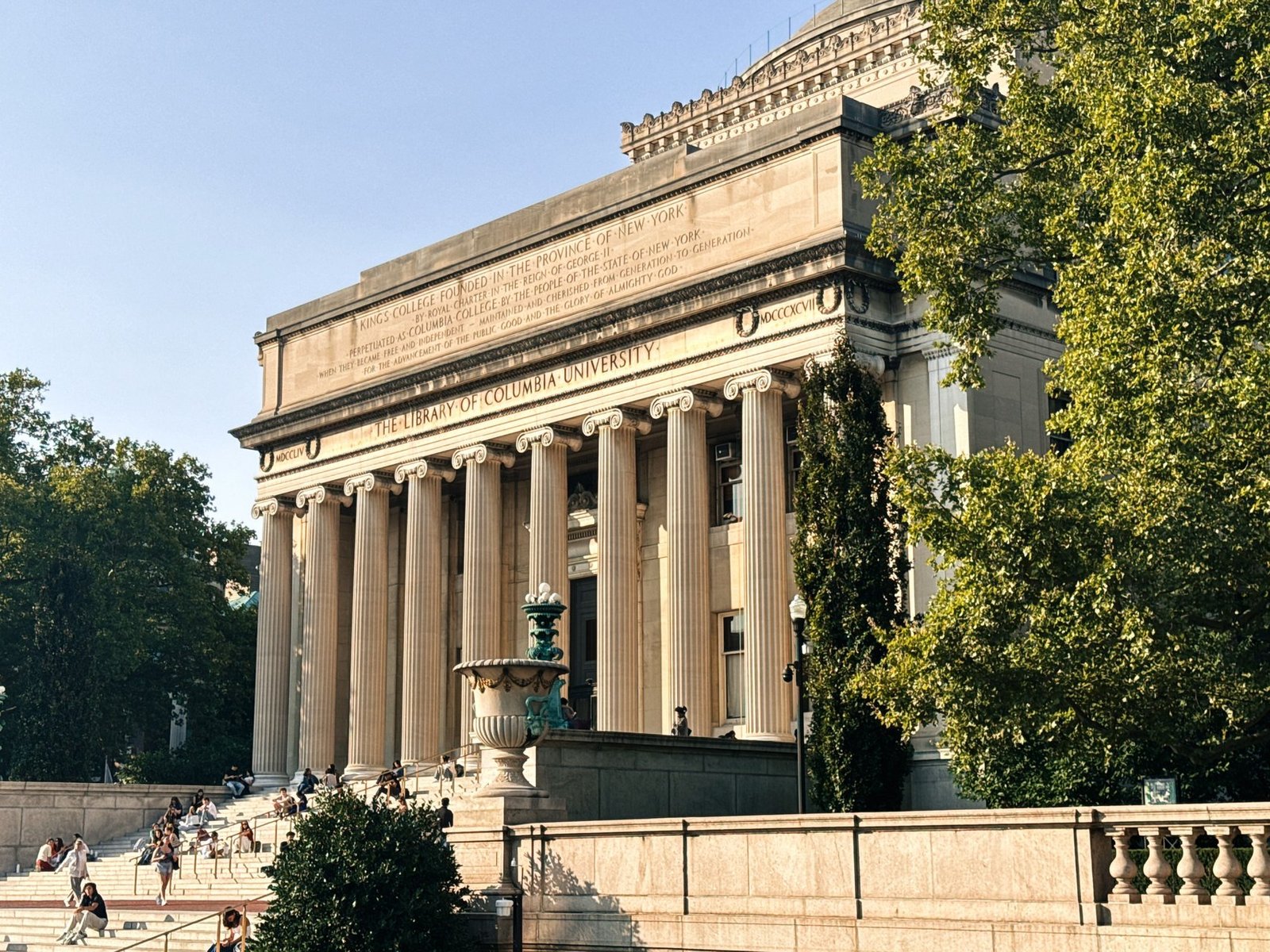
Columbia University is now embroiled in a significant legal battle following a lawsuit that accuses the institution of failing to adequately protect pro-Palestinian students from discrimination and harassment. This situation has ignited a broader discussion about the climate on college campuses, particularly regarding the treatment of students who advocate for Palestinian rights.
Details of the Lawsuit
The lawsuit was publicly announced during a press conference held by Mahmoud Khalil, a key figure in the initiative against the university. Khalil’s statements during the event were pointed and critical, as he referred to the alleged environment at Columbia as one characterized by “rotten, institutionalized anti-Palestinian bigotry.” He claims that this bias is not merely an isolated issue but is embedded across various departments within the university, and is further perpetuated by the actions of the board of trustees.
Khalil’s remarks suggest that the lawsuit is not just about individual instances of bias; rather, it aims to highlight what he describes as a systemic problem within the university’s culture. He asserts that the university’s failure to address these issues not only affects the students directly involved but also tarnishes the institution’s reputation as a place of learning and open discourse.
The Broader Context
This lawsuit comes at a time when discussions surrounding the Israeli-Palestinian conflict have become increasingly polarized, especially in academic settings. Many universities across the United States have faced similar accusations, with pro-Palestinian advocates claiming they are often marginalized or silenced. The case against Columbia could set a precedent for how universities handle claims of discrimination based on political beliefs, particularly those relating to international conflicts.
The impact of this lawsuit extends beyond Columbia itself. It raises important questions about freedom of speech on campus, the responsibility of educational institutions to protect their students, and how political activism is navigated within the academic sphere. Advocates for pro-Palestinian rights are closely watching the developments, as they may influence similar actions at other universities.
Next Steps in the Legal Process
As the legal proceedings unfold, it is expected that Columbia University will respond to the allegations and provide its perspective on the claims made in the lawsuit. The university’s official stance will be critical in shaping public perception and may also affect the outcomes of the case.
In the coming months, both sides will prepare for what could be a lengthy legal process. The outcome of this lawsuit could have far-reaching implications for university policies regarding student protection, the handling of political discourse, and the overall atmosphere for students advocating for marginalized perspectives.