
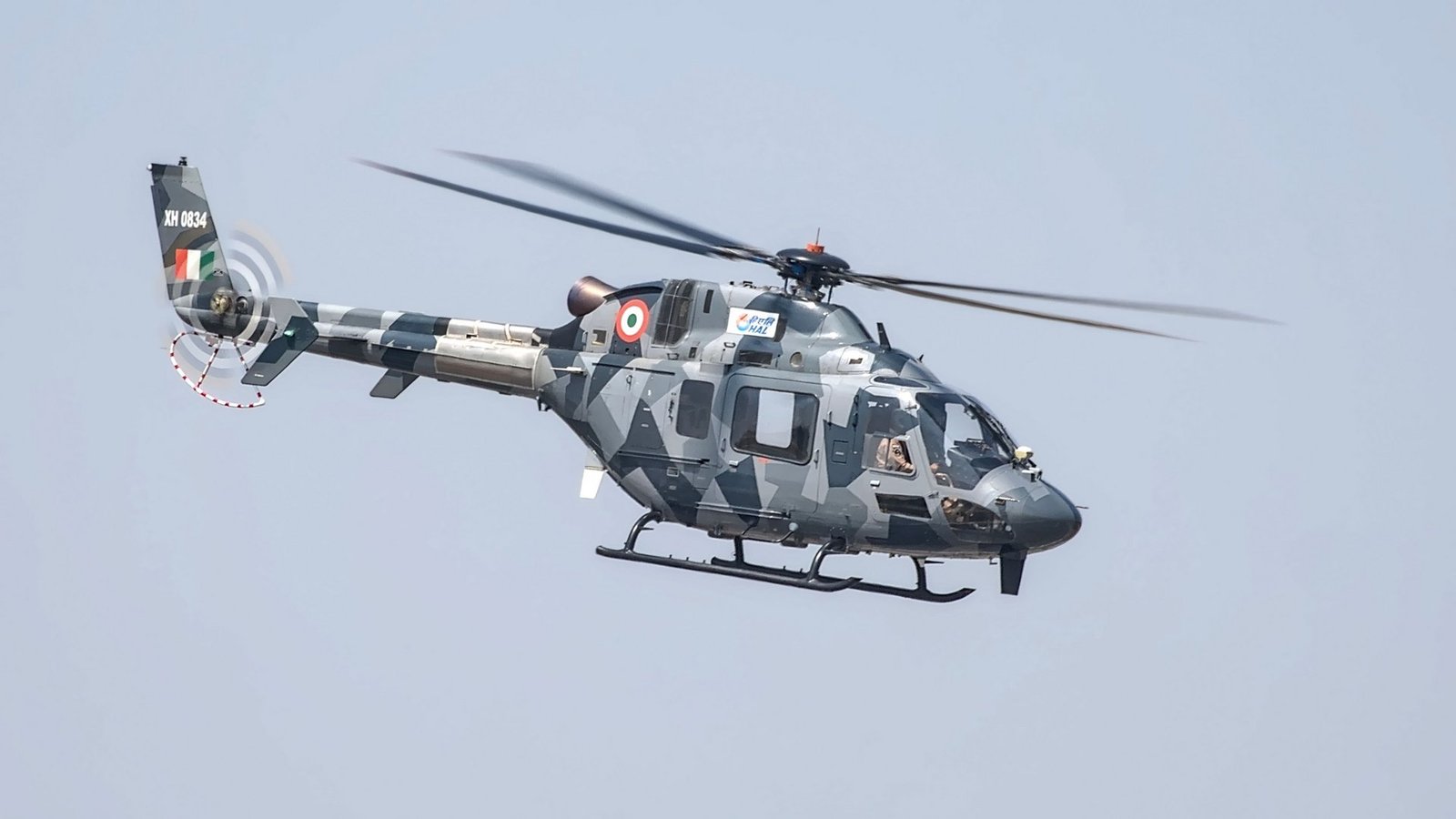
At the recent NDTV Defence Summit, Defence Secretary RK Singh provided important insights regarding the disqualification of Hindustan Aeronautics Limited (HAL) from the bid to develop India’s stealth jet. The bid process, which has garnered significant attention, unfolded in February 2026 when it was revealed that of the seven consortia that had shown interest, only three met the essential technical and financial criteria set by the Defence Ministry.
HAL, a prominent player in the Indian aerospace sector, partnered with two smaller firms for this ambitious project. However, despite their efforts, the consortium did not satisfy the necessary qualifications, leading to their exclusion from the competition. This decision highlights the stringent requirements imposed by the Ministry, aiming to ensure that only capable entities participate in such critical defence projects.
Context of the Stealth Jet Program
The development of a stealth jet is a key component of India’s strategy to modernize its armed forces and enhance its aerial capabilities. Stealth technology is crucial for reducing the visibility of aircraft to radar and other detection methods, which is vital in modern warfare. As nations around the world invest heavily in advanced military technologies, India’s push for a domestic stealth jet underscores its commitment to self-reliance in defence manufacturing.
The failure of HAL to qualify raises questions about the readiness of Indian firms to meet international standards in aerospace technology. It also emphasizes the competitive nature of the defence sector, where only those consortia that can demonstrate both technical prowess and robust financial backing will succeed.
Implications of the Disqualification
Singh’s comments at the summit suggest that the Defence Ministry is not merely looking for participation but is committed to fostering excellence and innovation in the defence sector. The disqualification of HAL could prompt a reevaluation of strategies among domestic firms, potentially leading to more collaborations or investments in research and development.
Additionally, this scenario might drive HAL and its associates to strengthen their capabilities in order to compete effectively in future bids. The outcomes of such competitive processes are critical not only for the firms involved but also for India’s broader defence readiness and technological advancement.
Looking Ahead
The Defence Ministry’s rigorous selection process indicates a future where only the most qualified bidders will be considered for significant defence contracts. In light of this, the remaining consortia that met the criteria will likely continue to develop their proposals, with the potential for an announcement regarding the winning bid in the near future.
As the situation evolves, stakeholders across the defence landscape will be closely monitoring the developments. The outcome of the stealth jet initiative will not only impact the consortiums involved but will also play a crucial role in shaping India’s defence capabilities in the years to come.