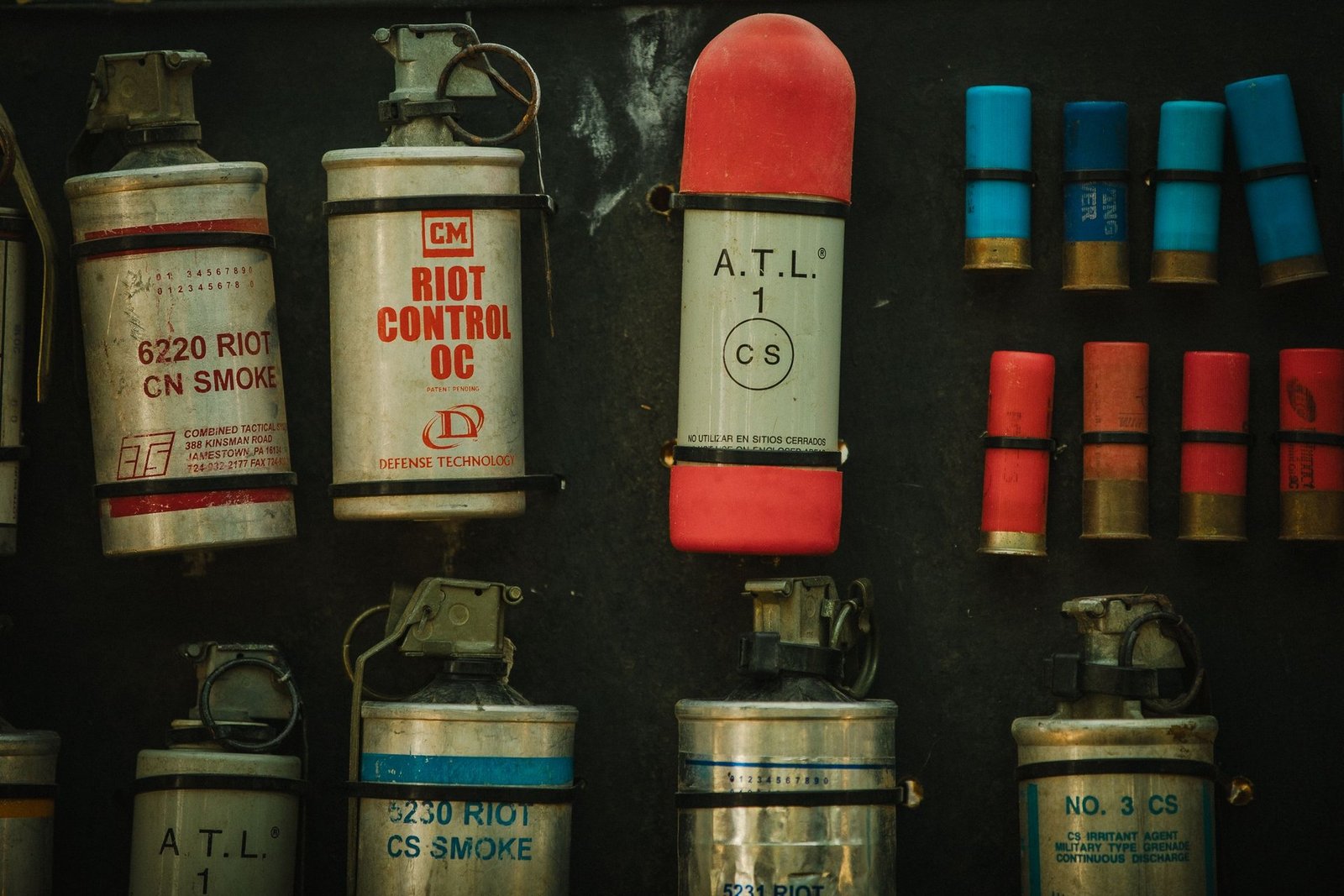
France has temporarily halted the use of stun grenades by law enforcement during student protests following a severe injury sustained by a 15-year-old boy. The incident occurred in Lens, where the boy’s hand was severely injured by a grenade, prompting Interior Minister Laurent Nuñez to call for a suspension until the circumstances are fully investigated.
Government Response and Public Reaction
Prime Minister Sébastien Lecornu addressed the nation, defending the police actions and denying any directive for security forces to confront students aggressively. He emphasized the importance of addressing the students’ concerns, promising government proposals by the end of October to improve educational conditions, though details were sparse.
The protests have resulted in significant disruptions, with over 500 schools affected. Education Minister Édouard Geffray reported that 24 schools had been severely vandalized or set on fire, impacting around 30,000 students. The unrest has seen the involvement of not just students but also their parents and unions, escalating tensions.
Escalating Violence and Investigations
As protests continued, police faced criticism for allegedly excessive force, leading to 488 arrests and injuries to 43 security personnel. The police watchdog IGPN has launched 18 investigations into police conduct during these events.
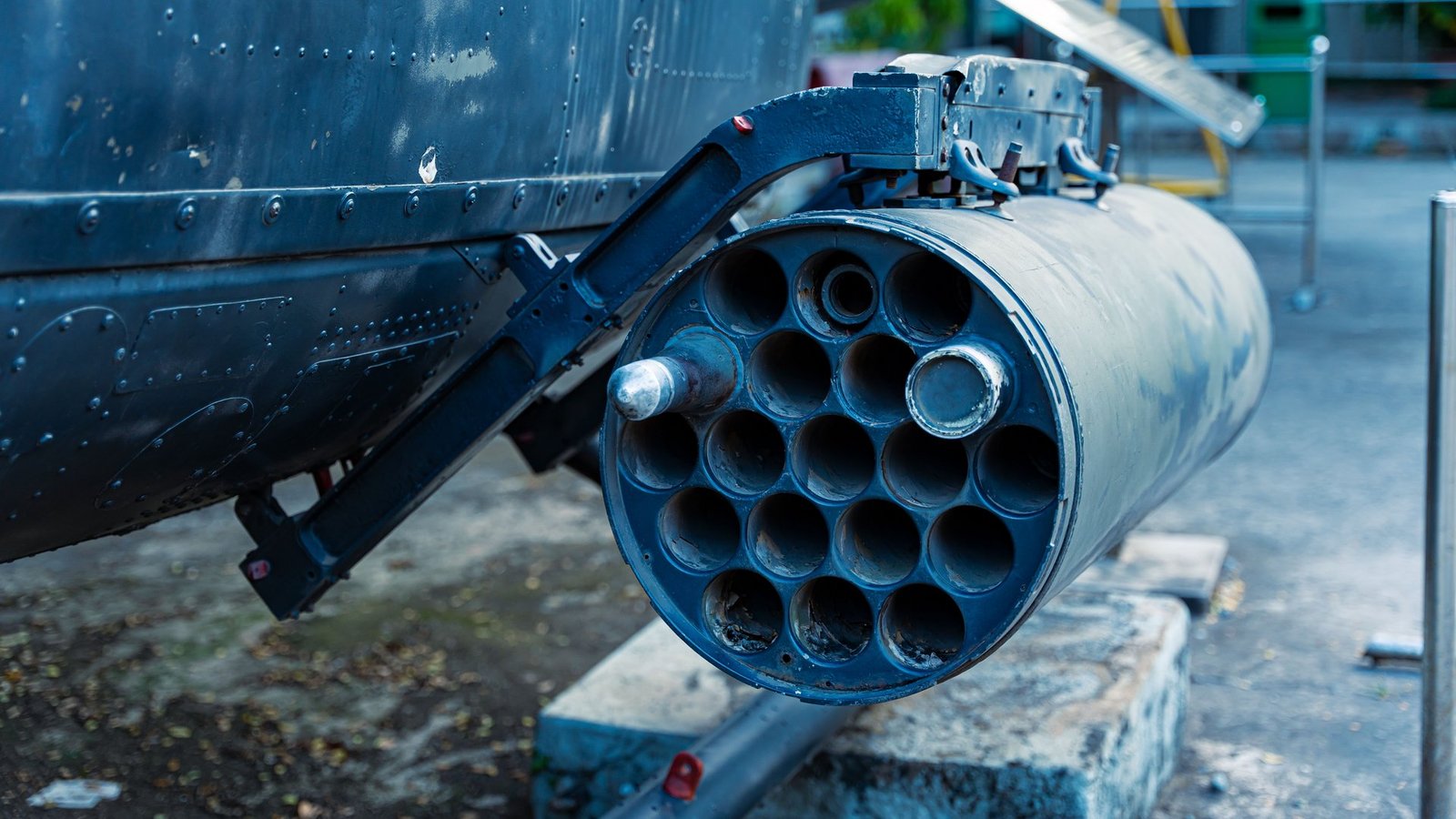
The incident in Lens involved a stun grenade, which is considered non-lethal, yet used in a situation where more than 200 students were reportedly throwing projectiles. Conflicting reports emerged regarding whether the injured student picked up the grenade or was directly hit by it.
Concerns Over Police Tactics
Further concerns have been raised following other incidents, including a 14-year-old injured by a tear gas grenade and a 16-year-old hurt by a firework. The response has prompted a debate over police tactics, with the national police union expressing skepticism about the suspension of stun grenades, warning it might lead to more close-contact injuries.
Amidst these developments, accusations have surfaced of the protests being infiltrated by violent groups. The government has been criticized for its handling of the situation, with political figures from various parties weighing in on the matter.
Political Implications and Future Actions
Political tensions have heightened as accusations fly between parties. The radical-left France Unbowed party criticized the government for its delayed response, while the National Rally leader accused President Macron of undermining the police.
In response to the crisis, President Macron convened an emergency meeting with key ministers. Prime Minister Lecornu announced initiatives to engage students in dialogue, including half-day sessions dedicated to their concerns and an online consultation that garnered significant participation.
Despite these efforts, student unions have planned further demonstrations, expressing dissatisfaction with the government’s response and calling for more substantial measures beyond consultations.