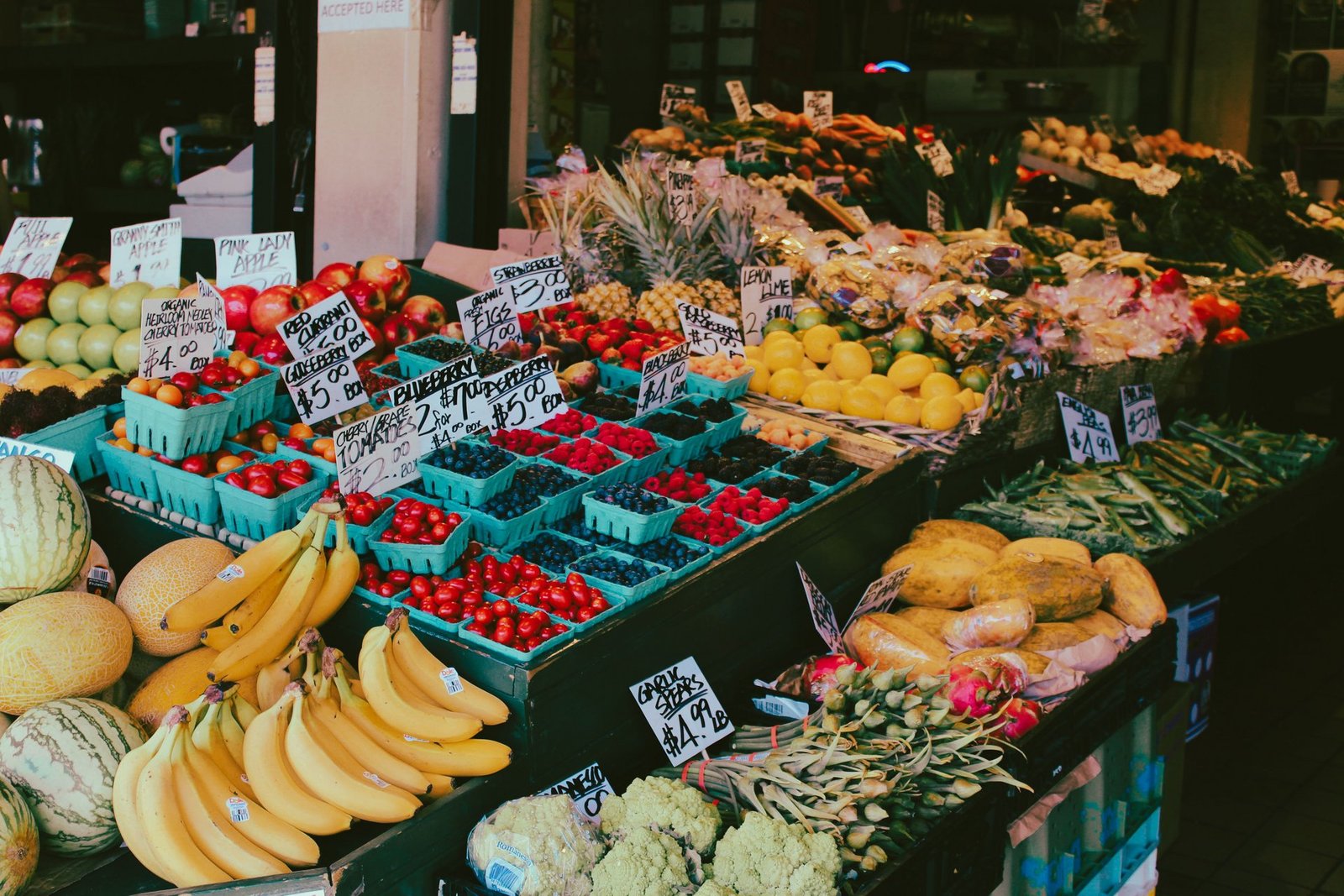
In September, the United Nations reported a significant increase in global food prices, reaching levels not seen in almost four years. This surge has been primarily driven by concerns regarding the impending El Nino weather phenomenon, as well as disruptions in trade due to ongoing conflicts.
Factors Contributing to the Price Increases
One of the key contributors to the rise in food prices is the forecast of a severe El Nino event. This climatic condition is known for its potential to disrupt agricultural production across various regions, leading to fears of reduced yields and higher prices for essential commodities.
Particularly affected by these concerns are sugar prices, which have soared to an 18-month high. The anticipated weather pattern has created uncertainty in sugar production forecasts, driving up demand and consequently prices in the global market.
Impact on Wheat Futures
Additionally, the ongoing conflict in the Black Sea region has had a profound impact on wheat futures, pushing them to a three-year high early last month. The war has resulted in significant disruptions to trade routes, diminishing supply and creating volatility in prices.
Wheat is a staple food for many countries, and its price escalation can have widespread implications for food security, particularly in regions heavily reliant on imports. The combination of adverse weather conditions and geopolitical tensions has thus created a perfect storm for food prices.
Global Implications and Future Outlook
The rising food prices are not just a local issue; they have global ramifications. Countries around the world may face increased inflation rates as the costs of food continue to climb. This situation poses a risk to food security, especially for lower-income populations who spend a larger portion of their income on food.
Looking ahead, stakeholders in the agricultural sector, including governments and international organizations, will need to monitor these developments closely. Mitigating the impact of El Nino through adaptive agricultural practices and addressing trade disruptions will be crucial in stabilizing food prices. The international community must also prepare for potential humanitarian crises that could arise from ongoing food insecurity.