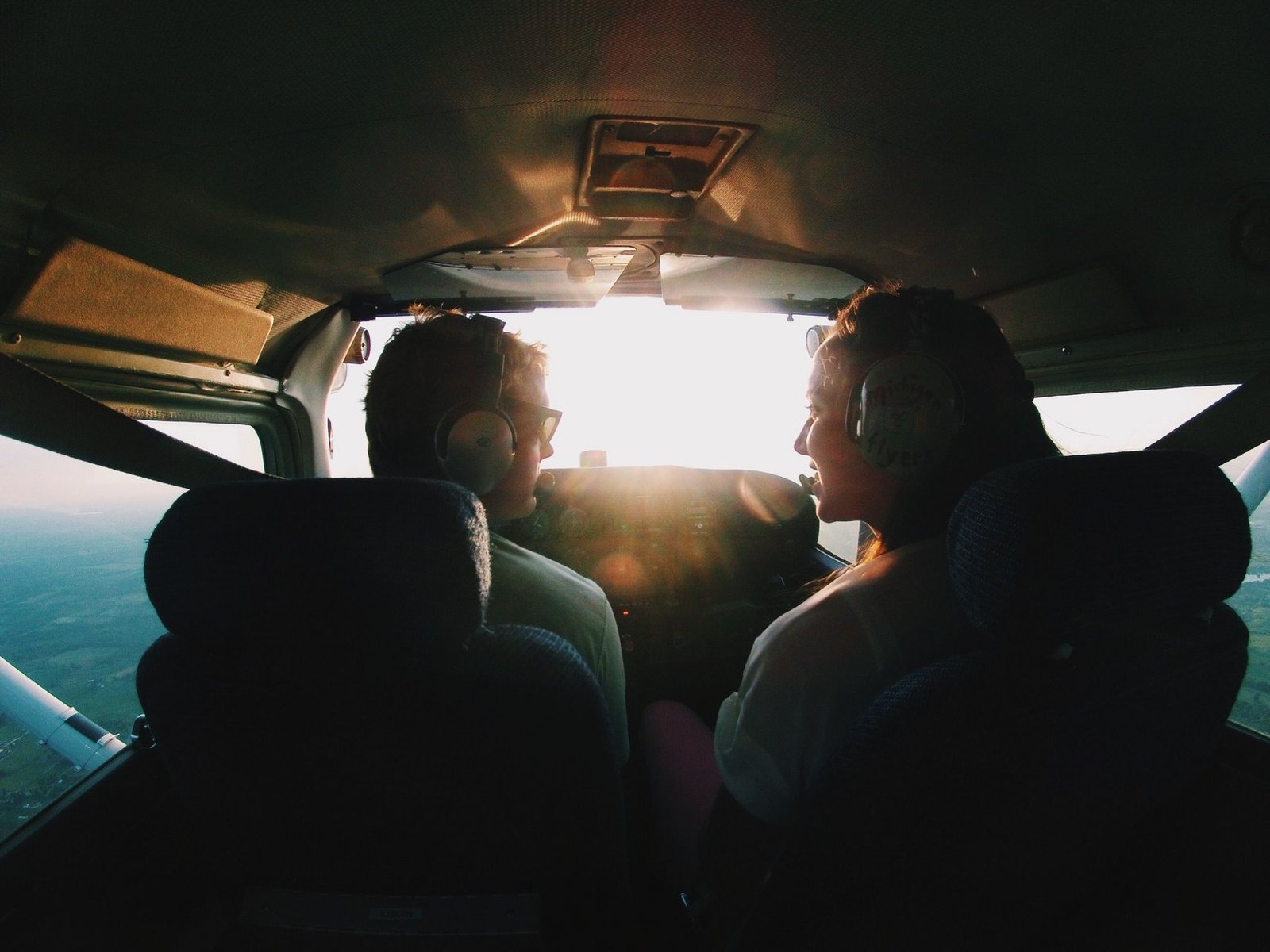
In a compelling account of a harrowing situation, Smit Machchhar, a pilot for flydubai, recounted the traumatic events that unfolded inside the cockpit during a recent flight incident. Despite facing significant injuries, Machchhar remained determined to share his experience, providing an insight into the challenges and dangers that pilots may encounter.
The flight began without any indications of trouble, with Machchhar and his co-pilot preparing for a routine journey. As the aircraft took off, everything seemed to be proceeding as planned. However, the situation quickly escalated, leading to a series of unforeseen challenges that would test their skills and composure.
As the incident unfolded, Machchhar described how he was focused on the controls at the front of the cockpit. Meanwhile, his co-pilot engaged in a moment of prayer, an act that reflects the intense pressure and emotional strain pilots can experience during crisis situations. This moment underscores the human element in aviation, where even highly trained professionals find themselves seeking solace in their beliefs amid chaos.
The pilot’s description of the events reveals the complexities of cockpit dynamics during emergencies. Machchhar’s ability to remain engaged with the aircraft’s operations while his co-pilot sought spiritual support highlights the varied approaches pilots take to cope with stress. It also sheds light on the importance of teamwork and communication in high-pressure scenarios.
Machchhar’s injuries were a direct result of the incident, adding a personal layer to his narrative. His determination to recount the events, despite the pain he endured, speaks volumes about his commitment to his profession and his fellow crew members. Such experiences can profoundly impact a pilot’s career and personal life, leading to long-term psychological and physical repercussions.
This incident not only highlights the bravery of pilots like Machchhar but also raises important questions about safety protocols in aviation. As air travel remains one of the safest modes of transportation, understanding the challenges pilots face is crucial for improving operational safety and training. Each incident serves as a learning opportunity for both airlines and regulatory bodies to enhance procedures and ensure the well-being of crew and passengers alike.
In the aftermath of the event, it is likely that flydubai will conduct a thorough investigation into the circumstances surrounding the incident. This investigation will aim to identify any potential lapses in safety protocols and assess the effectiveness of the crew’s response. The findings may lead to recommendations for further training or adjustments in operational procedures to mitigate risks in future flights.
As Machchhar continues to recover from his injuries, his experience will undoubtedly contribute to the ongoing dialogue about aviation safety and the psychological resilience required in such high-stakes environments. Pilots are often at the forefront of ensuring passenger safety, and stories like Machchhar’s are essential for understanding the realities of their profession.