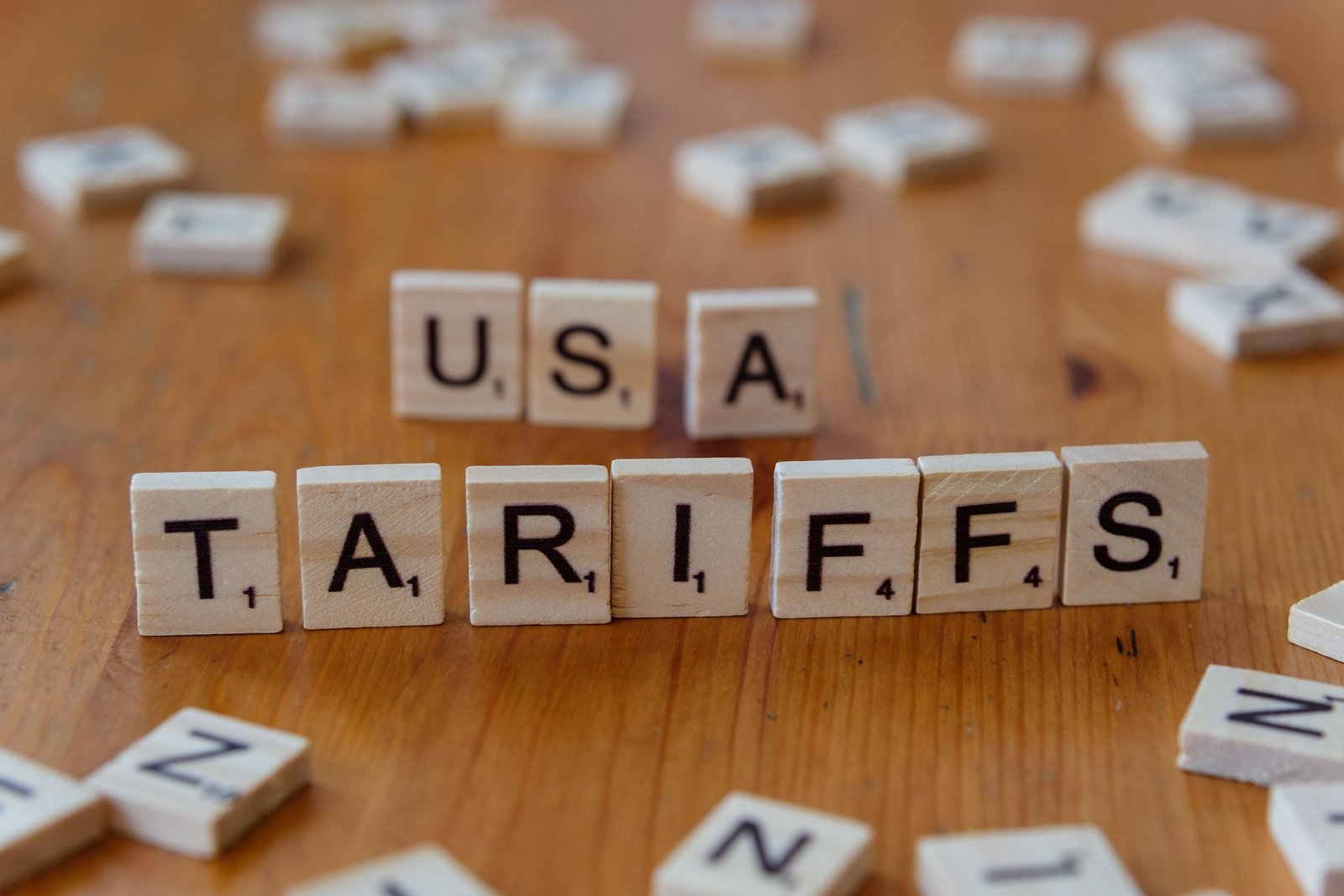
Recent developments in the ongoing negotiations between India and the United States regarding a bilateral trade agreement have raised questions about the timeline for finalizing the deal. Initially, in February, both nations had expressed optimism, announcing that they had come to an agreement on the framework for the first phase of their trade discussions. However, as the negotiations progressed, new complications emerged, primarily driven by shifts in the tariff policies of the United States.
Background of the Trade Agreement
The bilateral trade agreement between India and the US is seen as a crucial step in enhancing economic ties between the two countries. The framework, which was initially agreed upon, aimed to address various trade barriers and facilitate smoother transactions between businesses in both nations. In recent years, India and the US have been working to strengthen their economic partnership, recognizing the potential for mutual benefits.
February’s announcement marked a significant milestone, as it indicated that both governments were ready to take concrete steps towards a more integrated trading relationship. However, the evolving tariff landscape in the US has forced negotiators to revisit certain aspects of the agreement.
Impact of US Tariff Changes
The changes in the US tariff structure have created a ripple effect on the negotiations. As the US government implements modifications to its tariff policies, Indian officials have found it necessary to reassess their approach to the trade deal. These adjustments aim to protect American industries while attempting to balance international trade obligations.
India has expressed concerns about how these new tariffs could impact its exports, particularly in sectors where it has a competitive advantage, such as textiles and pharmaceuticals. The need to address these tariff changes has introduced further complexity into the negotiations, prompting both sides to engage in additional discussions to find common ground.
Next Steps in the Negotiation Process
Looking ahead, the path for the India-US trade agreement remains uncertain but not without hope. Officials from both countries are expected to continue their discussions in the upcoming months, with the aim of overcoming the current hurdles posed by US tariff changes. The focus will likely be on achieving a balanced agreement that addresses the concerns of both nations.
As the global economic landscape evolves, the India-US trade agreement has the potential to play a significant role in shaping the future of trade relations between these two major economies. Both sides recognize the importance of this deal not only for their bilateral relationship but also for their positions in the broader international market.
In conclusion, while the initial optimism surrounding the trade agreement has been tempered by the realities of changing tariffs in the US, the commitment to continue negotiations signals a desire for collaboration and mutual economic growth. The upcoming discussions will be pivotal in determining the future of this important trade relationship.