During a recent address at the NDTV Defence Summit 2026, General NS Raja Subramani, India’s Chief of Defence Staff, emphasized the nation’s readiness to confront threats posed by Pakistan. His remarks came in the wake of External Affairs Minister S. Jaishankar’s stern comments labeling Pakistan as a “serial practitioner of terrorism” during the ongoing 81st session of the United Nations General Assembly.
Context of the Statements
General Subramani’s comments reflect the growing concerns in India regarding Pakistan’s involvement in terrorism and its impact on regional stability. The timing of these statements is particularly significant, as they follow a series of heightened tensions between the two neighboring countries. While both nations have a long history of conflict, recent events have intensified the dialogue surrounding security and counterterrorism efforts.
At the UN General Assembly, Jaishankar’s strong denunciation of Pakistan was aimed at drawing international attention to the ongoing issues related to cross-border terrorism. His words underscored India’s frustration with Pakistan’s actions and its implications for peace in the region.
Implications of the Defence Chief’s Remarks
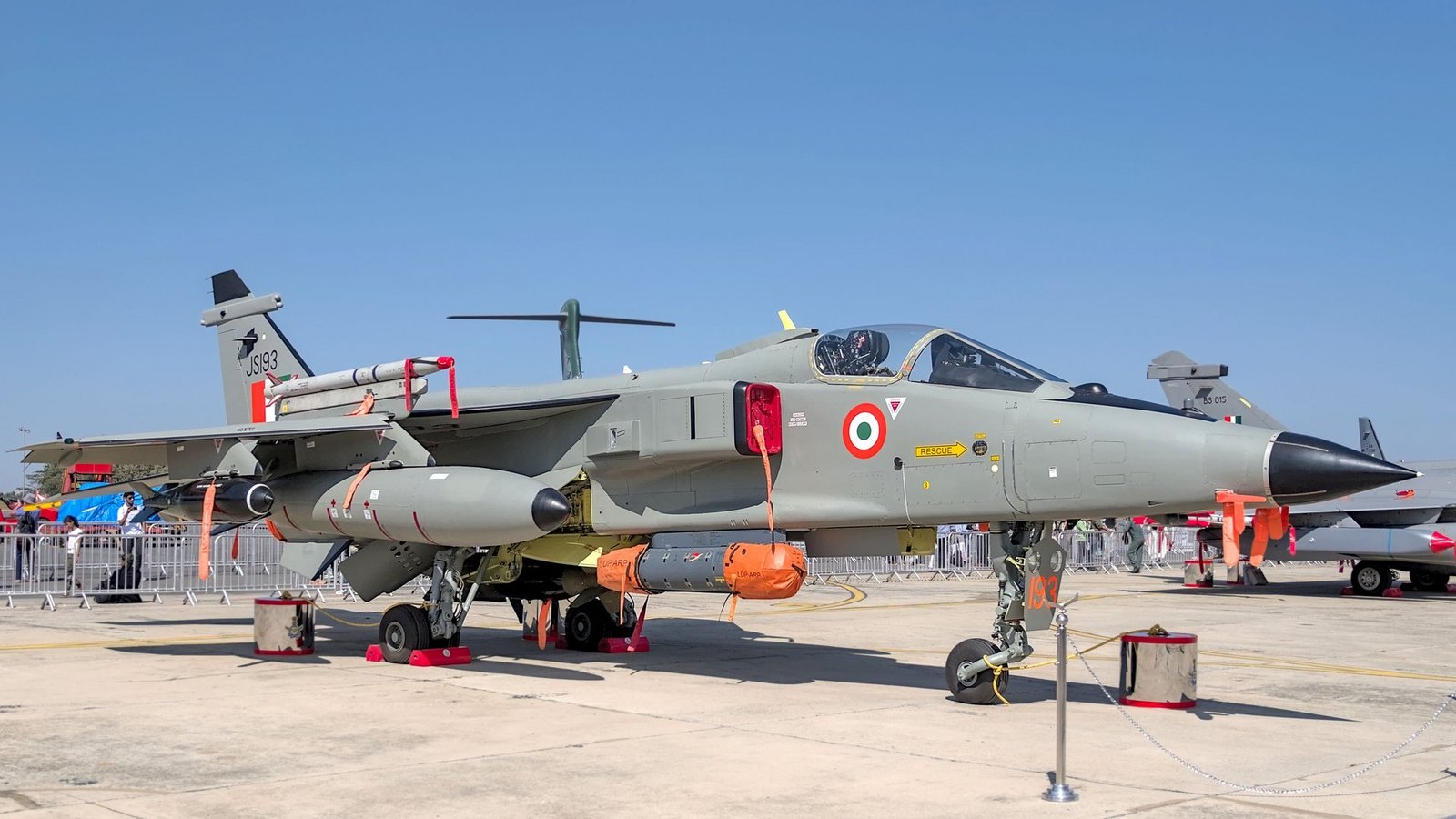
General Subramani’s assertion of being prepared to respond “quickly and decisively” highlights India’s strategic military stance. This readiness is not only a message to Pakistan but also serves to reassure domestic audiences about the government’s commitment to national security. The Defence Chief’s comments reinforce the notion that India will not hesitate to take action if provoked.
This proactive military posture could have various implications for regional dynamics. It may lead to increased military preparedness on both sides, potentially escalating tensions further. Additionally, it poses a challenge for diplomatic efforts aimed at de-escalating conflicts in the region.
What Lies Ahead
As both nations navigate this complex landscape, the international community is likely to keep a close watch on developments. The upcoming months may see increased dialogue at international forums regarding counterterrorism and regional security. Furthermore, India’s military readiness and the government’s stance on Pakistan will continue to be crucial in shaping the bilateral relationship between the two countries.
In conclusion, the statements made by General Subramani and Jaishankar are indicative of a broader strategy by India to address the persistent threat from Pakistan. As the situation evolves, it will be essential for all stakeholders involved to pursue avenues for dialogue while remaining vigilant against potential threats.