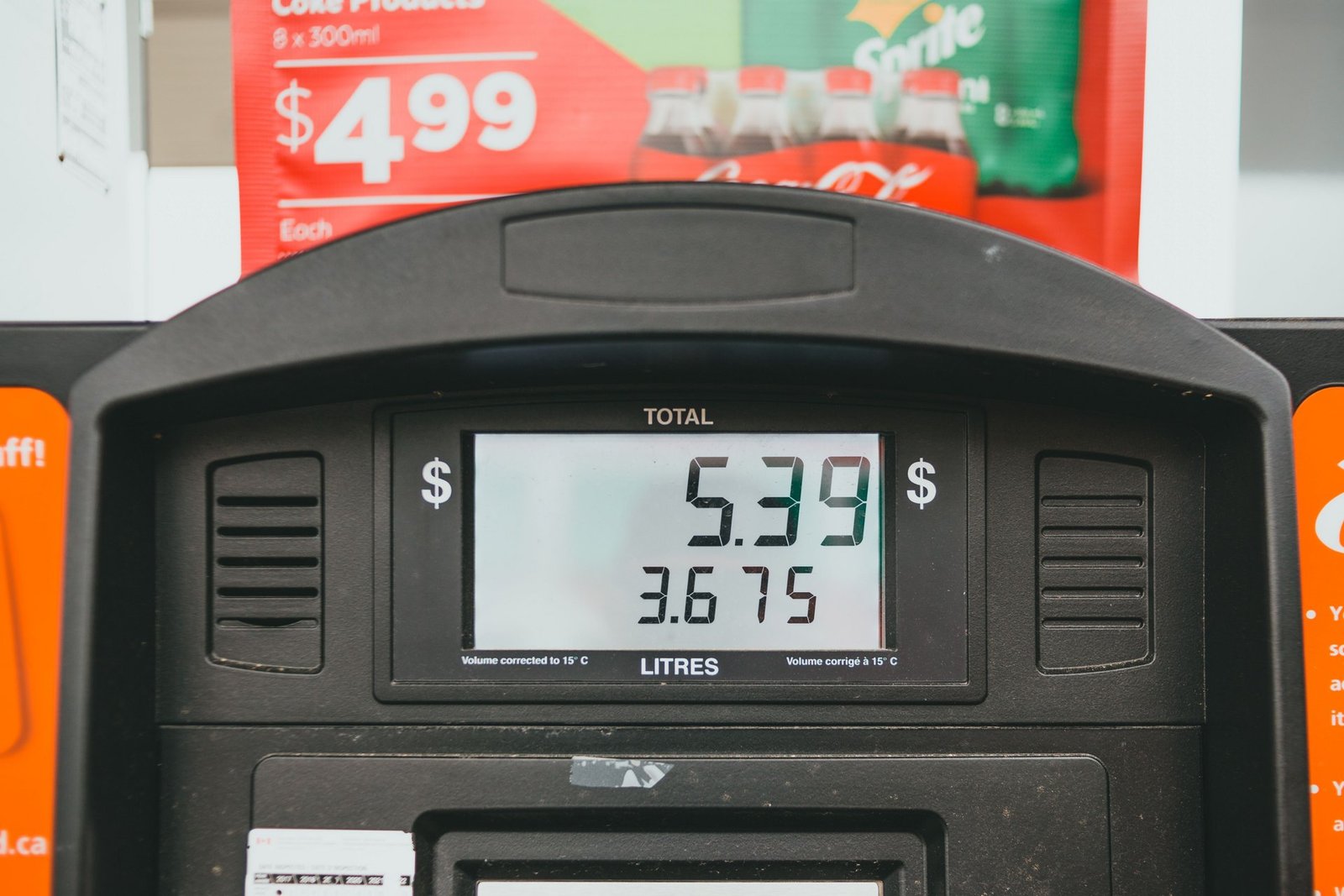
The Iranian government has recently announced a significant increase in gasoline prices, particularly targeting heavy users of fuel. This decision comes amidst ongoing economic struggles that the country is facing, although officials did not explicitly link the price hike to the geopolitical tensions with the United States.
Details of the Price Increase
The government has doubled the price of gasoline for those who consume fuel in larger quantities. This move is seen as a response to the pressing economic conditions affecting the nation, which have been exacerbated by various internal and external factors.
While the authorities have refrained from directly referencing the conflict with the United States, they did highlight the “current situation” as a rationale for the increase. The implications of this price hike are expected to be felt by many households across Iran, particularly those that rely heavily on fuel for transportation and other essential services.
Government’s Justification
In their announcement, officials indicated that the revenue generated from the increased gasoline prices would be allocated to aid households. This implies an attempt by the government to cushion the impact of rising costs on the general population, which is likely to face increased financial pressure as fuel prices rise.
By channeling the additional funds into support for families, the Iranian government may be looking to maintain some level of public support despite the unpopular nature of the price increase. This approach reflects a broader strategy to address economic hardship while managing public dissatisfaction.
Broader Economic Context
The decision to raise gasoline prices comes at a time when Iran’s economy is grappling with multiple challenges. Sanctions imposed by various countries, coupled with domestic economic mismanagement, have led to inflation and a decrease in purchasing power for many Iranians. As a result, the government is under pressure to implement measures that can help stabilize the economy.
Economic analysts suggest that while the government’s strategy may provide temporary relief to some households, it could also lead to further inflationary pressures in the long term. The dependence on fuel prices as a revenue source indicates the precarious balance the government must maintain in addressing economic challenges.
Looking Ahead
As Iran moves forward with this policy change, it remains to be seen how the public will react to the increased costs of gasoline. Many households are already struggling to make ends meet, and the additional financial burden could lead to unrest or dissatisfaction with the government.
In the coming months, it will be crucial for the Iranian government to effectively communicate the reasons behind this decision and to ensure that the promised support for households reaches those who need it most. Failure to do so may exacerbate existing tensions and could lead to wider economic discontent.