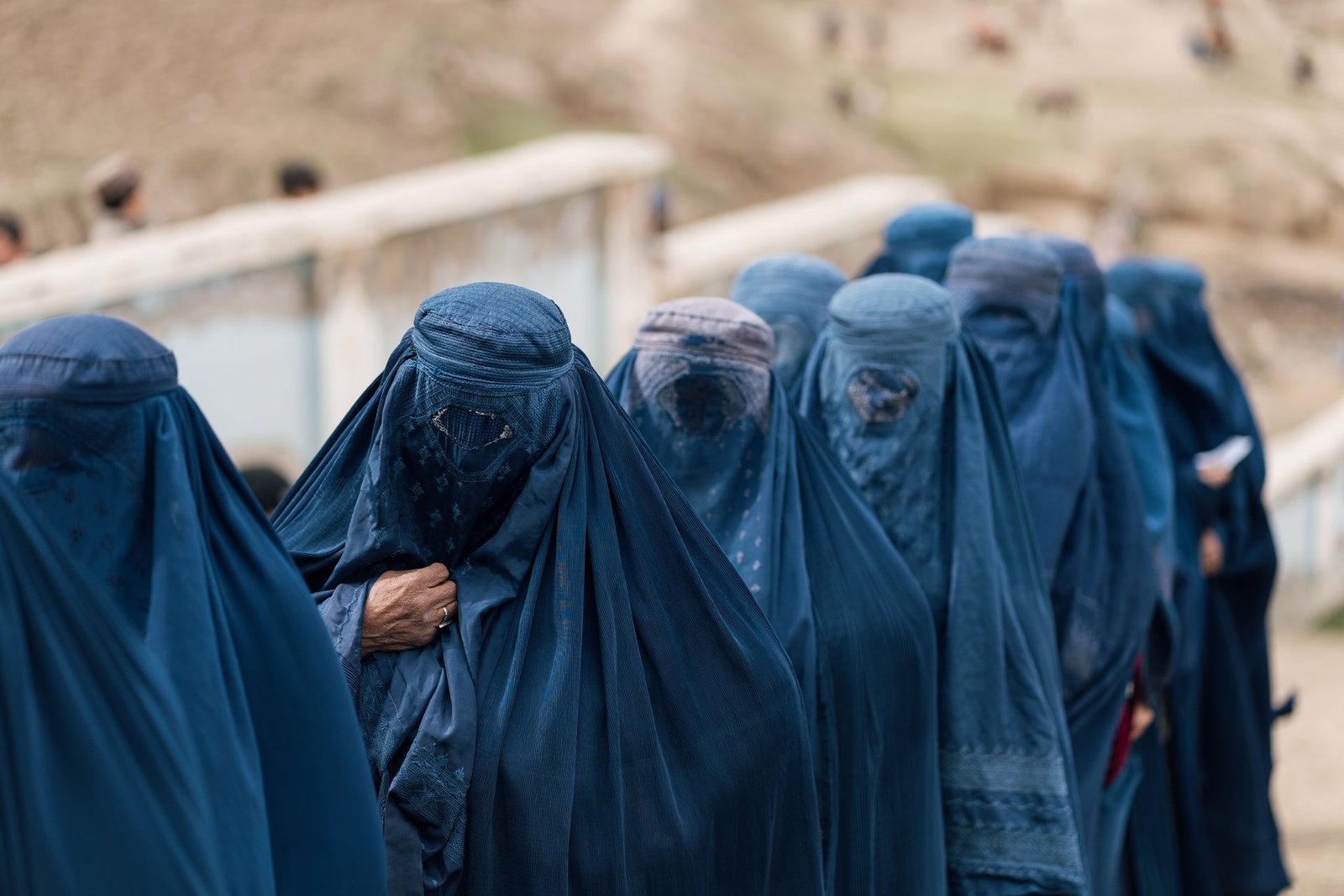
In a recent announcement, Italian Prime Minister Giorgia Meloni outlined new educational policies aimed at addressing integration challenges within the country’s school system. During a speech to the youth branch of her nationalist conservative party, Brothers of Italy, Meloni stated that a ban on wearing burqas in schools is on the horizon. This measure reflects a broader initiative to promote cultural assimilation among students, particularly those from immigrant backgrounds.
Details of the Proposed Policies
The forthcoming ban on burqas aligns with Meloni’s commitment to reinforcing national identity and values within educational environments. The Prime Minister expressed that such attire could hinder the integration of foreign students into Italian society, particularly in school settings where cultural exchange and understanding are crucial.
Beyond the burqa ban, Meloni highlighted the importance of Italian language proficiency for parents of foreign students. The proposed policy would require parents facing significant challenges in integrating their children into the school system to attend compulsory Italian language lessons. This initiative is designed to equip parents with the necessary communication skills to support their children’s education and foster a smoother integration process.
Background and Implications
The push for these measures comes amid ongoing discussions in Italy regarding immigration and its impact on social cohesion. Meloni’s government, which has been characterized by its strong nationalist stance, views these policies as essential steps towards ensuring that foreign students not only adapt better to the school environment but also contribute positively to Italian society.
Critics of the proposed policies argue that such measures could stigmatize immigrant communities and exacerbate social divides. They contend that forcing cultural assimilation could undermine the multicultural fabric of Italian society. Supporters, however, believe that establishing clear expectations for integration is vital for maintaining national unity.
Next Steps and Future Considerations
As the Italian government prepares to implement these policies, discussions will likely continue around their effectiveness and impact on various communities. Stakeholders, including educators, parents, and community leaders, will need to engage in dialogues to ensure that the policies are executed fairly and effectively.
The introduction of these measures also raises questions about potential legal challenges and public reception. Observers will be keen to see how the Italian populace reacts, especially in areas with significant immigrant populations. The success of these initiatives will depend not only on governmental support but also on community acceptance and collaboration.