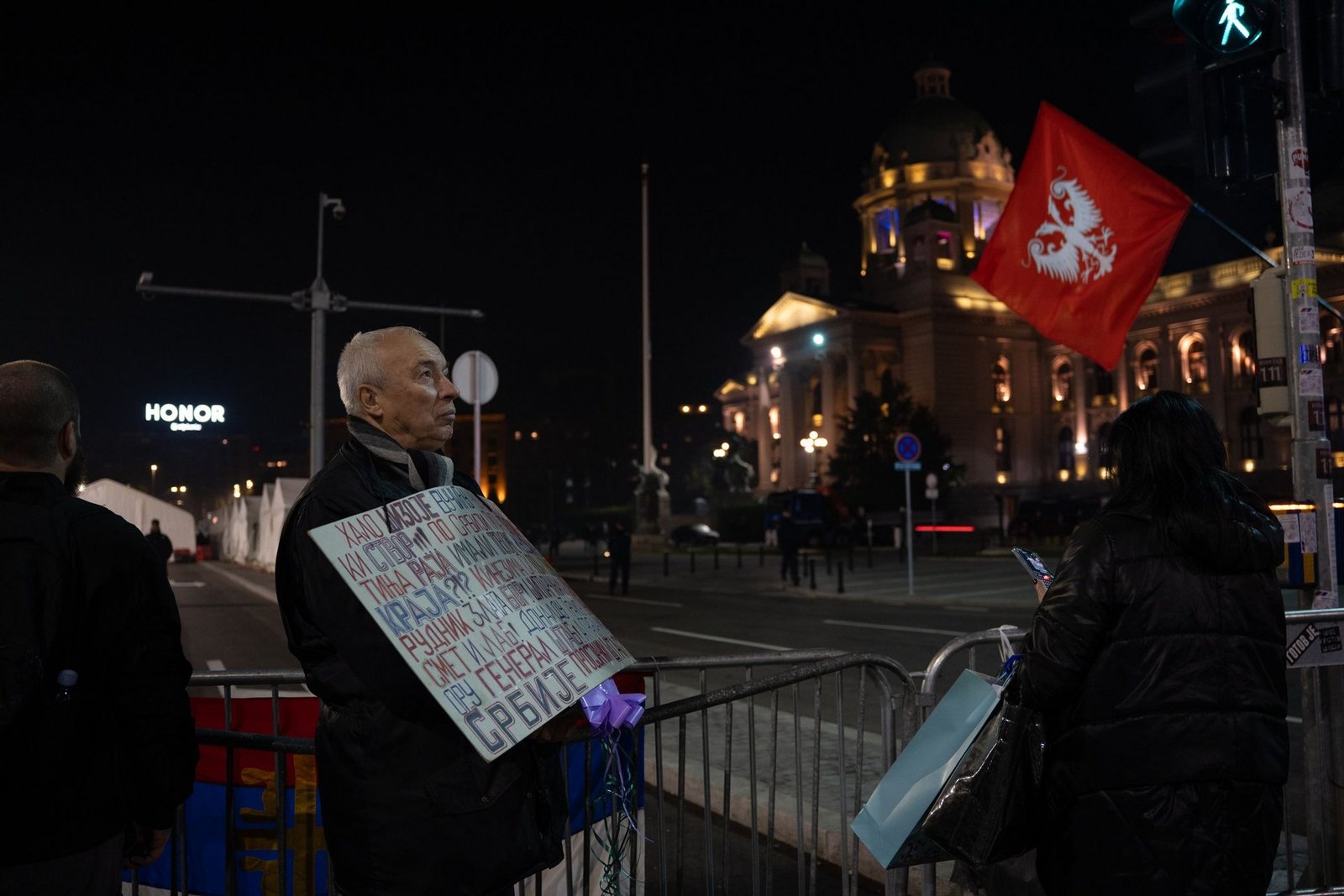
In the heart of Belgrade, thousands gathered to witness the funeral of Ratko Mladić, a figure infamous for his role in the Bosnian war. Known as the “Butcher of Bosnia,” Mladić passed away at the age of 84 while serving a life sentence in The Hague for crimes against humanity, including his involvement in the 1995 Srebrenica massacre, where approximately 8,000 Bosniak Muslims were killed.
Controversy Surrounding the Funeral
Initially, there was discussion of Mladić receiving a state funeral, a notion quickly abandoned due to objections from European leaders. The European Union publicly condemned the glorification of Mladić, emphasizing that such actions contradict European values, especially for nations aspiring to join the EU, like Serbia. Despite his conviction, Mladić remains a polarizing figure, revered by many in Serbia as a national hero.
The EU’s statement highlighted that any form of glorification of war criminals stands in stark contrast to the fundamental values upheld by the union. Serbia, a candidate for EU membership since 2012, faces challenges in aligning its policies with these values.
A Divided Legacy
Ratko Mladić’s military leadership during the 1992-1995 Bosnian war left a lasting impact, as his forces engaged in ethnic cleansing against non-Serbian populations. His arrest in 2011 and subsequent life sentence in 2021 marked the end of a lengthy legal process. Nonetheless, he is still celebrated by many Serbs, particularly in Republika Srpska, as a defender of their nation.
The funeral saw prominent government figures, including Defence Minister Bratislav Gašić and Justice Minister Nenad Vujić, paying their respects. Patriarch Porfirije of the Serbian Orthodox Church led the service, acknowledging Mladić’s lasting significance among many Serbian Orthodox followers.
Reactions and Reflections
The funeral proceedings were met with mixed emotions. While some mourned, others, like Zdravka Gvozdjar from Sarajevo, expressed deep pain, recalling the personal loss inflicted by Mladić’s actions. The event stirred memories of the war and reignited debates on how Mladić is portrayed in Serbian society.
Despite the detailed historical records from his trial, Serbian media often depict Mladić as a dutiful soldier, complicating efforts for a national reckoning. Daniella Peled from the Institute of War and Peace Reporting noted the challenges faced by post-conflict societies in confronting past atrocities and acknowledging responsibility.