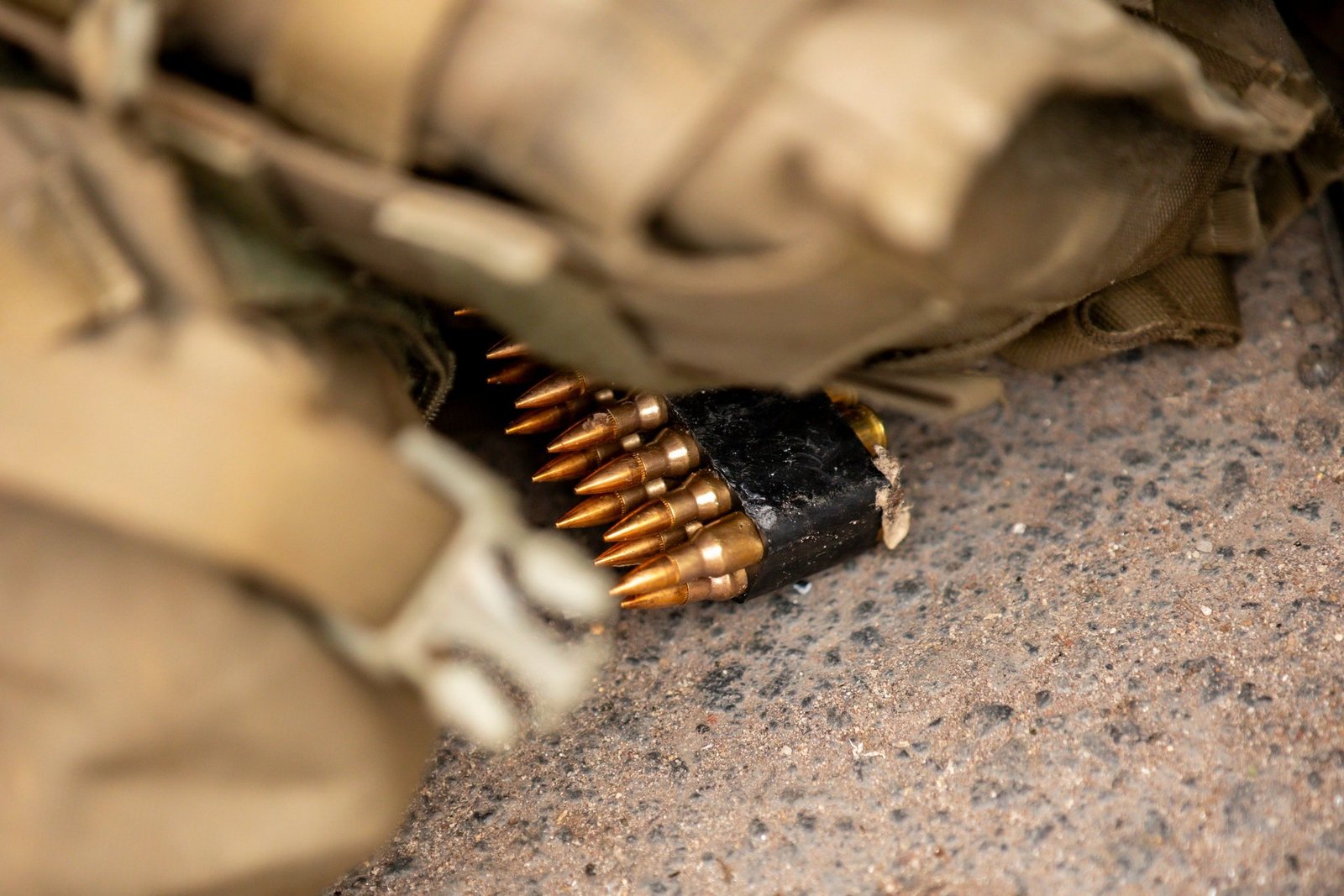
The Pentagon’s inspector general has released a report detailing significant shortages in US munitions due to ongoing military operations against Iran. This assessment stands in contrast to President Donald Trump’s assertions that the United States maintains an “unlimited” supply of munitions. Despite Trump’s dismissal of these concerns as “fake news,” the watchdog’s findings indicate that the Department of Defense has spent over $22 billion on munitions between February and June, resulting in “strategic inventory shortfalls.”
Contradicting Official Claims
While the White House maintains that the US has an ample supply of munitions, the report provides a rare, independent look into the classified details of US weapons stockpiles. These findings align with previous estimates suggesting severe depletion of certain interceptor stocks, including the Patriot missile and Terminal High Altitude Area Defense (THAAD) systems. The inspector general noted that although the exact numbers remain undisclosed, the shortages are exacerbated by “industrial base bottlenecks” affecting the resupply of munitions.
The Department of Defense is now focused on improving procurement processes and reducing production lead times to mitigate these shortages. Despite this, the White House has dismissed the watchdog’s conclusions, with spokeswoman Anna Kelly asserting that the US military possesses more than enough resources to achieve its strategic objectives.
Financial and Equipment Losses
According to the report, the US has incurred $3.7 billion in equipment losses, with additional expenditures amounting to $7.4 billion. Overall, the conflict has cost the US $33.4 billion from late February to the end of June. The Congressional Budget Office’s separate estimate places the total cost at $38 billion, factoring in the replacement of spent munitions, equipment losses, increased flying hours, and greater fuel costs.
Among the equipment losses are four F-15e fighter jets, an advanced F-35 Joint Strike Fighter, and 30 MQ-9 drones. Initially, Trump had predicted a swift resolution to the conflict, but recent statements suggest it may extend past the upcoming US midterm elections. Despite the administration’s confidence, public opinion on the war remains largely negative. A Reuters/Ipsos poll in early September found that only 23% of Americans, and half of Republicans, feel the US is in a stronger position with Iran now than before the conflict.