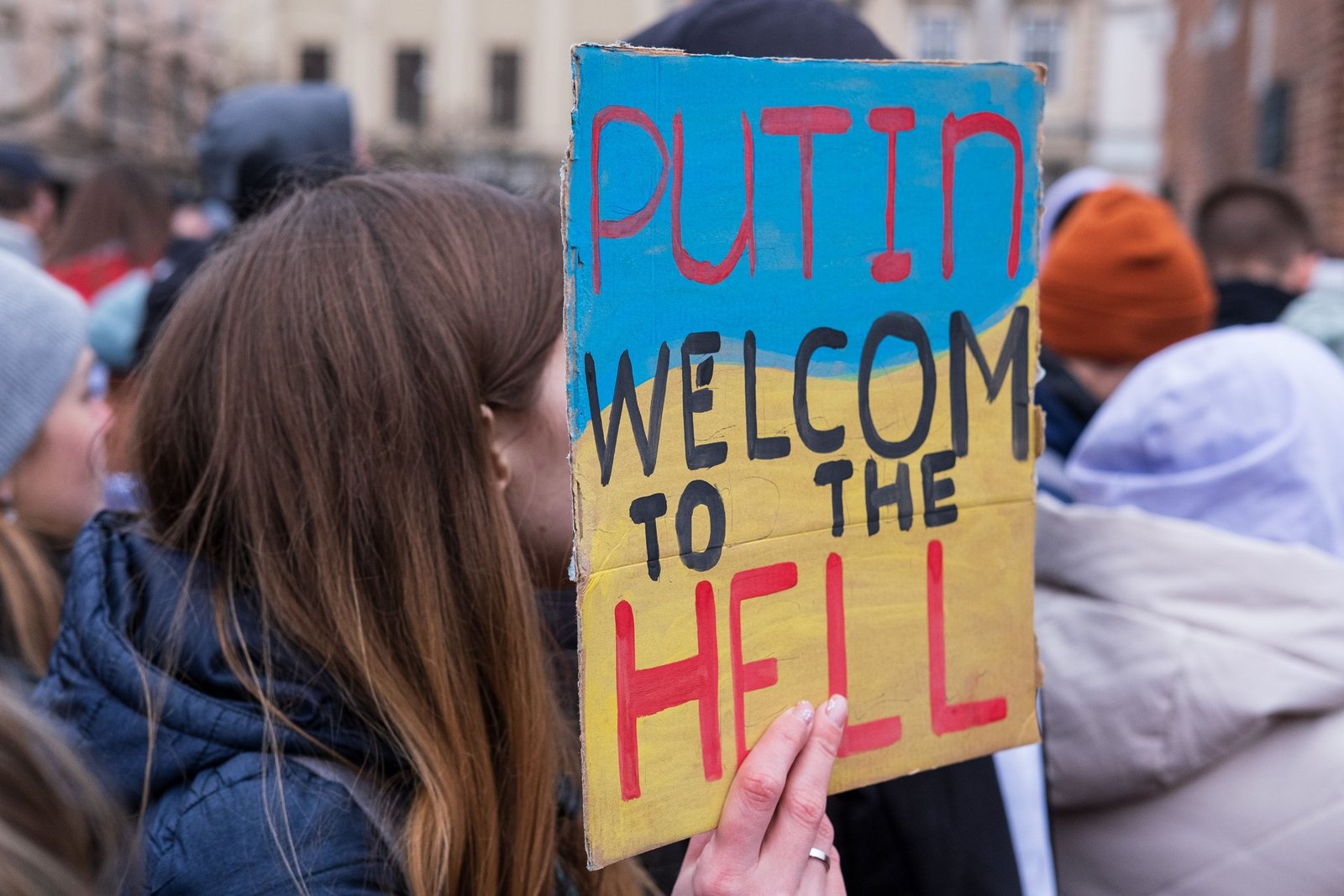
Amid escalating concerns over the unchecked growth of artificial intelligence (AI), political gridlock continues to obstruct efforts for regulation in the United States. President Donald Trump recently dismissed the urgency of AI regulation, branding fears of AI as a “HOAX” and asserting that a “strong and smart” president is the only necessary safeguard. This perspective clashes with the views of senior Democrats and AI industry leaders who advocate for regulatory measures.
Congressional Stalemate
The path to new AI safety legislation is fraught with challenges. Any proposed bill requires approval from both the House of Representatives and the Senate, which are currently under Republican control. The Republican majority remains aligned with Trump’s stance, diminishing the likelihood of passing any restrictive measures. Furthermore, even if Congress were to pass a bill, it would necessitate the president’s approval to become law.
The pressing issue is compounded by the congressional calendar, as the House is set to recess until after the midterm elections. Democratic leaders, including House Minority Leader Hakeem Jeffries, have urged delaying the recess to address AI safeguards. However, Republican Speaker Mike Johnson has shown no inclination to expedite the process, despite calls from some members of his own party for a special session.
Legislative Proposals and Divergent Views
The lack of consensus within Congress is evident from the variety of legislative proposals aimed at AI safety. These range from independent reviews and federal oversight to a proposed moratorium on data centers. Democratic and Republican lawmakers alike have introduced different bills, reflecting the urgency felt by many to address potential AI threats while balancing the need for innovation.
Notably, Democratic congresswoman Lori Trahan is working on bipartisan legislation, the Frontier Act, which would empower the government to halt AI models posing imminent risks. Despite these efforts, the probability of rapid legislative action remains low.
Debate Over Self-Regulation
Some Republicans, including Speaker Johnson, advocate for AI companies to self-regulate. Trump’s AI adviser, David Sacks, downplayed existential threats from AI, suggesting the industry should ensure product safety. Critics argue that without federal mandates, companies possess too much autonomy, which could lead to insufficient safety standards.
Others, like Alexandra Reeve Givens from the Center for Democracy and Technology, express skepticism about the possibility of meaningful federal AI regulation in the current political climate. The voluntary framework established by the Trump administration for AI evaluation remains undisclosed, raising questions about its effectiveness and adherence to legal standards.